What Is a Table Runner?
A table runner is a long, narrow piece of fabric designed to run down the center of a dining table — or across it, depending on the look you want. It is one of the simplest yet most versatile pieces of table decor you can own. Whether you are hosting a holiday dinner, setting up a cozy everyday breakfast, or dressing a table for a wedding reception, a well-chosen table runner instantly adds color, texture, and personality.
Unlike a tablecloth, which covers the entire tabletop, a runner leaves the wood or tabletop visible on both sides. This creates a layered, contemporary look and is an easy way to update your dining space without a full table makeover.
Why Add a Table Runner to Your Table?
- Instant style upgrade. A runner frames the table and draws the eye down the center, making even a simple table look thoughtfully styled.
- Protects the table surface. It shields the center of your table from hot dishes, serving platters, and spills — right where the action happens.
- Endless versatility. Swap runners by season, holiday, or mood. One table can look completely different with five different runners.
- Easy to store and maintain. Runners are small, fold flat, and are far quicker to wash and iron than a full tablecloth.
- Works with any dining style. From rustic farmhouse jute to delicate lace, there is a runner for every aesthetic.
Table Runner Materials Explained
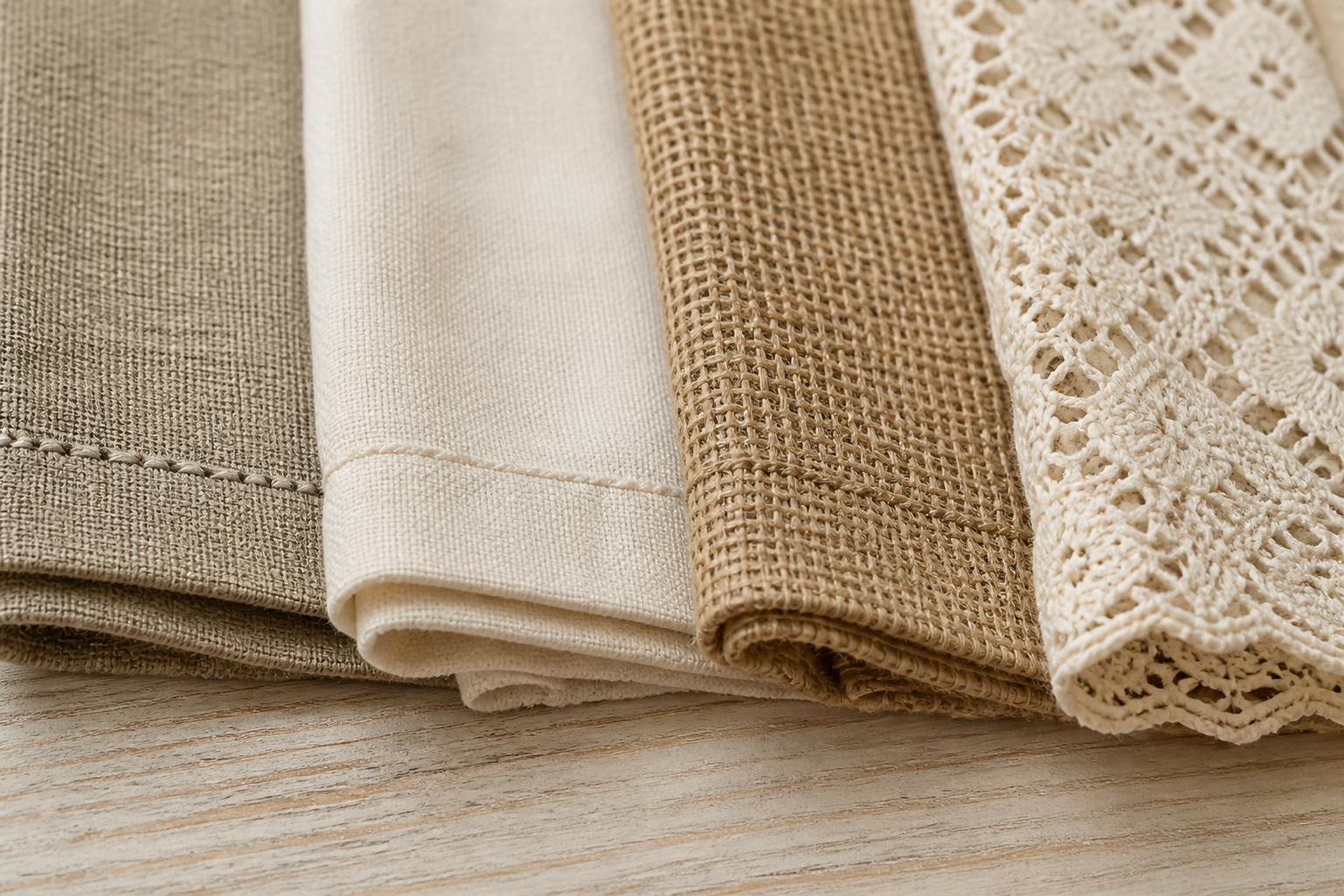
The material you choose determines both the look and the care routine of your runner. Here are the most popular options:
Linen
Linen is the gold standard for table linens. It is breathable, naturally antibacterial, and becomes softer with every wash. Its relaxed, slightly rumpled texture brings casual elegance to any table. Linen does wrinkle naturally — that is part of its charm — and it suits both everyday meals and formal dinners.
Cotton
Cotton runners are soft, absorbent, and the easiest to care for. They come in an enormous range of colors, stripes, and prints, and they machine-wash beautifully. If you want a runner you can use every day and toss in the laundry without a second thought, cotton is your best friend.
Polyester & Blends
Polyester and cotton-polyester blends are budget-friendly and highly wrinkle-resistant. They hold bright colors well and dry quickly, making them a practical choice for restaurants, events, and high-traffic households. They may lack the natural texture of linen, but they deliver unbeatable convenience.
Jute & Burlap
For a rustic, farmhouse, or bohemian look, jute and burlap runners are unbeatable. Their coarse, earthy weave adds warmth and character, and they pair beautifully with wood tables, ceramic plates, and candlelight. Keep in mind they are more textured and less formal than cotton or linen.
Lace
Lace runners bring romance and vintage charm to a table. They are a classic choice for weddings, bridal showers, and anniversary dinners. A white or cream lace runner over a dark wood table is a stunning, timeless combination.
How to Choose the Right Size
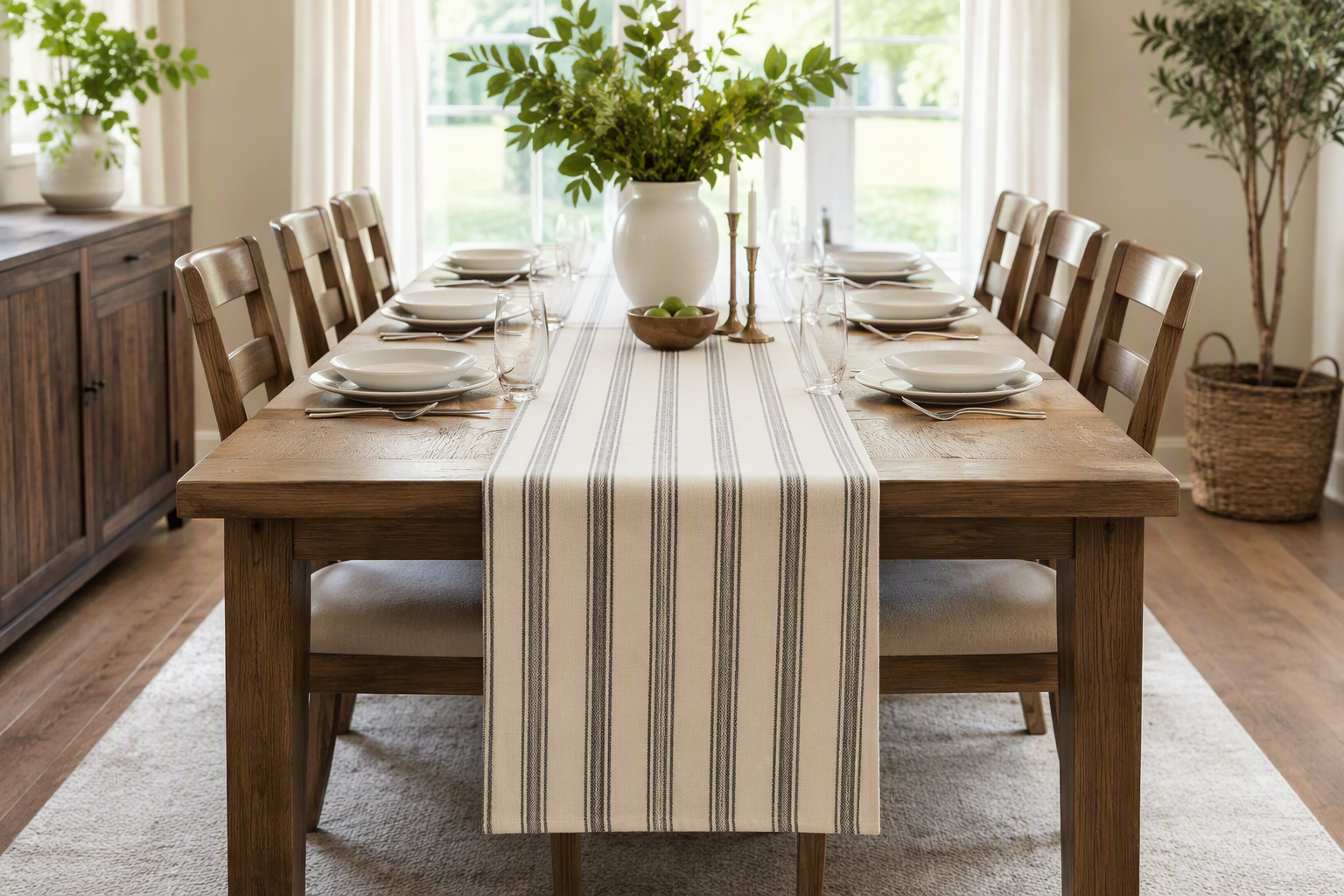
Getting the size right is the single most important step. A runner that is too short looks lost; one that is too long looks sloppy. Follow this simple rule:
Your runner should overhang each end of the table by 15–20 cm (6–8 inches). That means the total runner length should be roughly 30–40 cm (12–16 inches) longer than your tabletop.
Common size guide
- 4-seat table (about 120 cm / 48 in): choose a 150–160 cm runner (60–63 in)
- 6-seat table (about 180 cm / 72 in): choose a 210–220 cm runner (83–87 in)
- 8-seat table (about 240 cm / 96 in): choose a 270–280 cm runner (106–110 in)
Width matters too. Standard runners are 30–46 cm (12–18 in) wide. As a rule of thumb, the runner should be about one-third the width of your table — wide enough to anchor the centerpiece, narrow enough to leave plenty of tabletop visible for plates and cutlery.
Table Runner Styling Ideas for Every Occasion
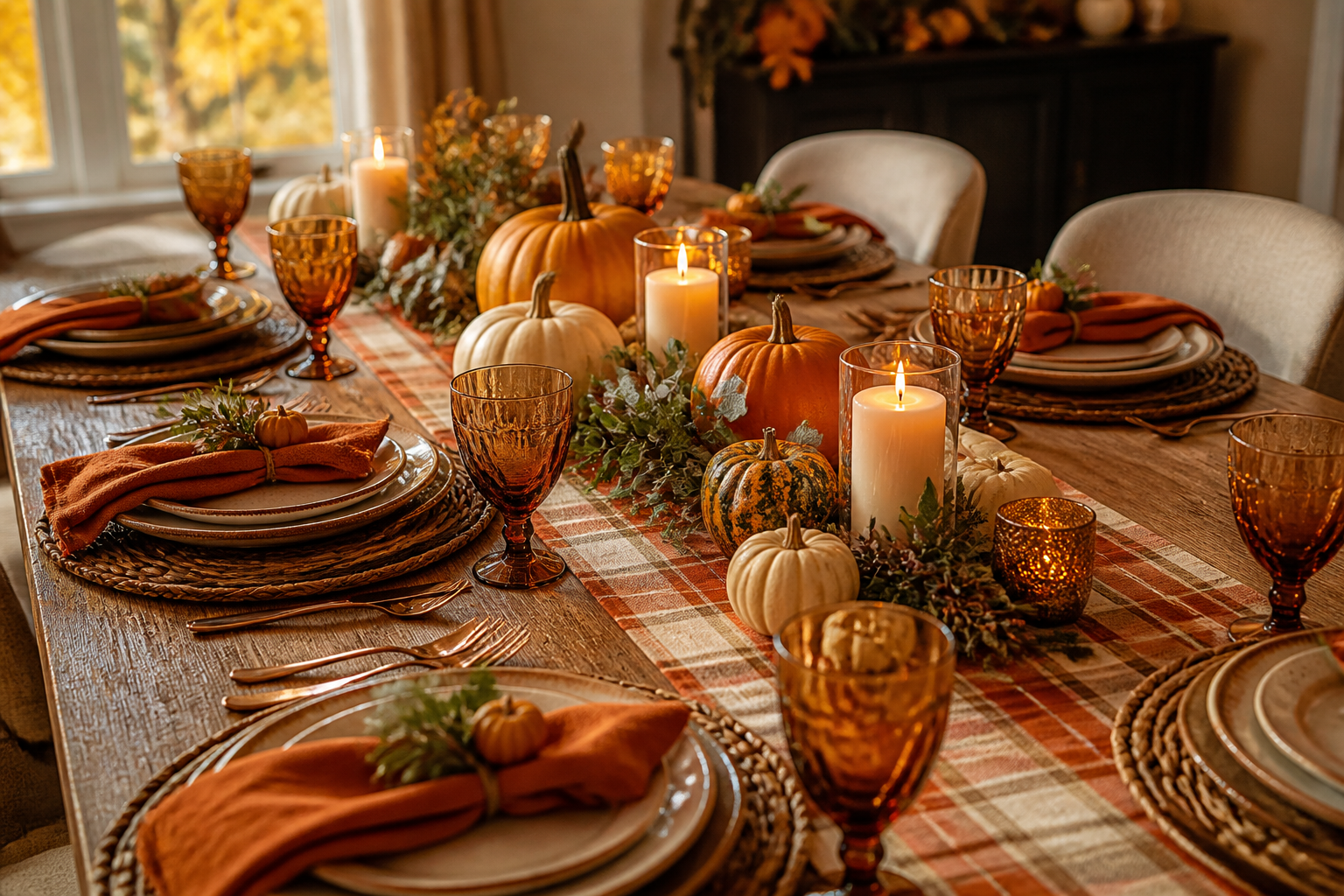
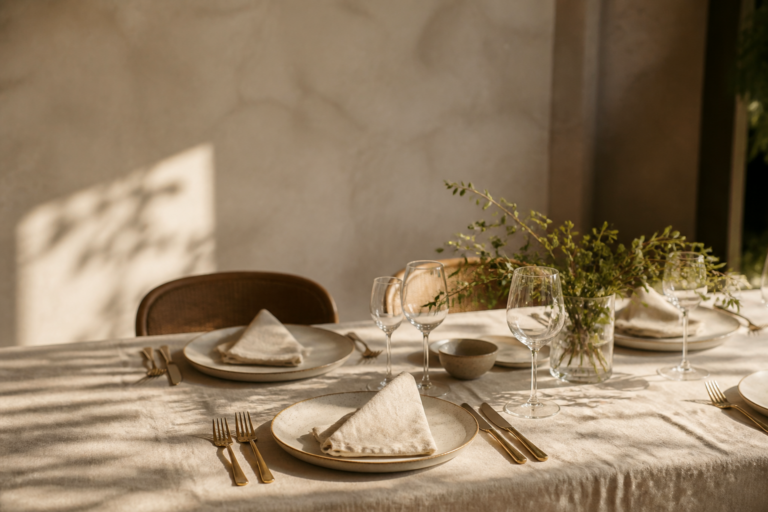
- Everyday minimalism: a neutral linen or cotton runner with simple ceramic plates and a small vase of fresh flowers.
- Formal dinners: pair an ironed white or ivory runner with charger plates, crystal glassware, and taper candles for instant refinement.
- Holidays: go plaid for Christmas, orange plaid or burlap for Thanksgiving, and pastel or floral runners for spring gatherings.
- Weddings & showers: lace or satin runners over rustic wood create a romantic reception look.
- Layering trick: place a runner over a full tablecloth in a contrasting color — a classic trick used by professional stylists.
- Mix textures: combine a jute runner with linen napkins or a linen runner with velvet ribbon accents for depth.
Table Runner vs. Tablecloth
Both have their place, and many homes own both. Use a tablecloth when you want full coverage — formal dinners, outdoor tables that need protection, or when the tabletop itself is worn. Use a table runner when you want to show off the wood, create a lighter look, or simply change the mood of the table without the fuss of a full cloth. Many stylists use them together: a cloth for structure, a runner for contrast and color.
How to Care for Your Table Runner
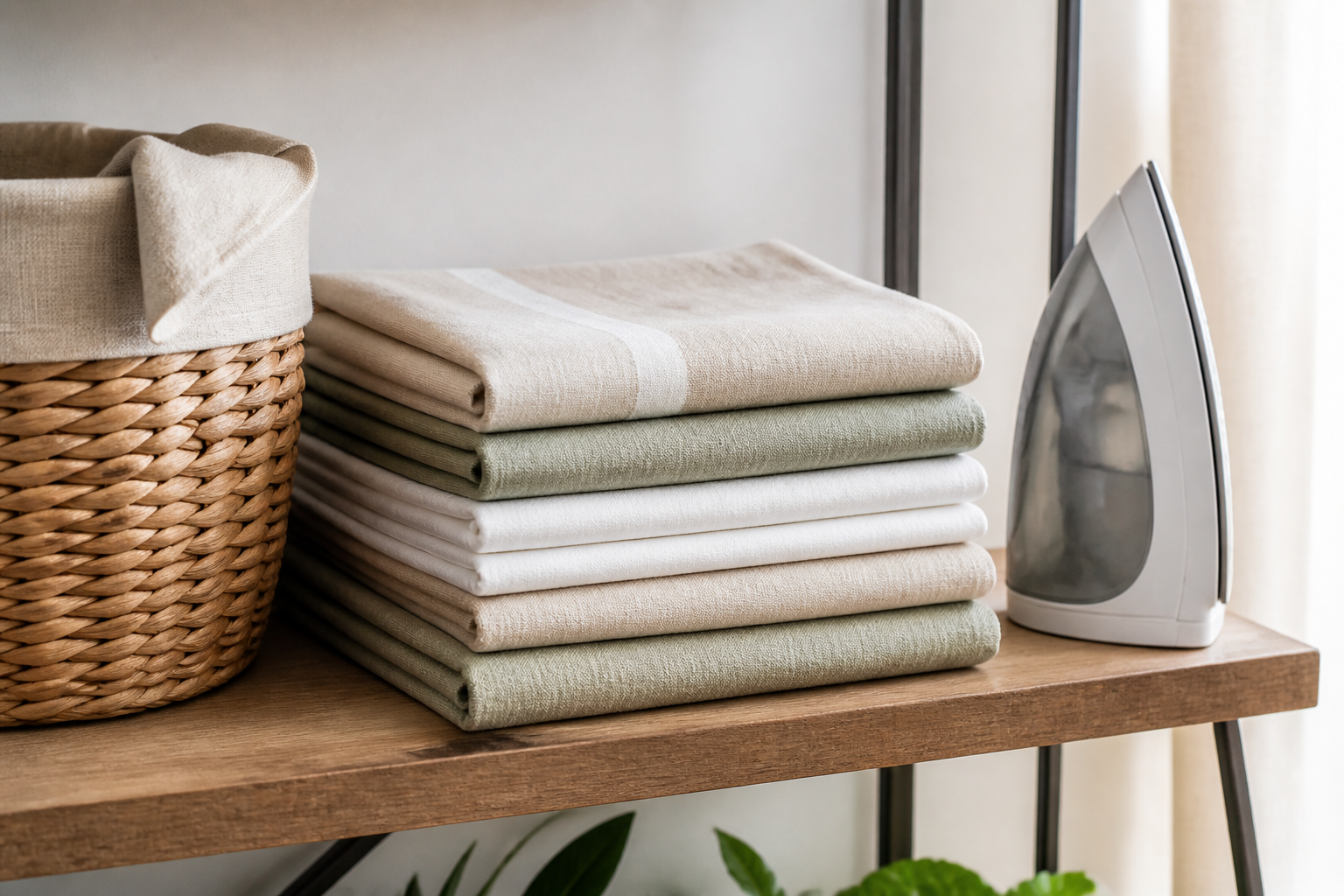
- Washing: most cotton and polyester runners are machine-washable in cold or warm water. Linen and lace are best washed on a gentle cycle — or by hand — in cold water. Always check the care label first.
- Bleach: use mild, oxygen-based bleach for whites; avoid chlorine bleach, which can yellow natural fibers.
- Drying: air-dry whenever possible. If using a dryer, use low heat and remove while slightly damp to minimize wrinkles.
- Ironing: iron linen and cotton while still slightly damp for the crispest finish. Use a pressing cloth to protect lace and embroidered details.
- Stain care: treat spills immediately — blot (never rub) with a clean cloth, and pre-treat stubborn stains before washing.
- Storage: fold runners loosely and store them in a cool, dry place away from direct sunlight. Roll lace runners around a cardboard tube to prevent creasing.
Table Runner FAQs
Can I use a table runner on a round table?
Yes. On a round table, place the runner across the middle like a stripe, or use two runners crossed in an X for a striking centerpiece base. Rectangular runners are the most common, but some are designed specifically for round tables.
Should the runner match the tablecloth?
Not necessarily. Contrasting colors and textures create a more interesting look. A general rule: if they match, vary the texture; if they contrast, keep tones harmonious.
How many table runners should I own?
Start with two or three: one neutral everyday runner (linen or cotton), one seasonal or festive option, and one formal option (white, ivory, or lace). That covers most occasions.
Do runners protect the table from heat?
Runners provide a layer of protection against light heat and spills, but always use trivets or hot pads under very hot dishes — no fabric can withstand a scorching pan.
Final Thoughts
A table runner is a small investment with a big payoff. It transforms the look of your dining space, protects your table, and lets you express your style — from rustic to romantic to refined. With the right material, the correct size, and a few styling tricks, you can create a beautiful table for every meal and every occasion.
Ready to refresh your dining table? Browse our collection of table runners and table linens to find the perfect match for your home.