Cloth napkins are one of the simplest ways to elevate any meal. Whether you are hosting a holiday feast, planning a wedding reception, or simply setting the table for a family dinner, cloth napkins add a touch of refinement that paper simply cannot match. They look better, feel better, and — with the right care — last for years.
This guide covers everything you need to know about napkin cloth: the best fabrics, the right sizes, classic folding styles, styling ideas, and how to keep your napkins looking crisp and beautiful.
Why Choose Cloth Napkins?
- Elegance on a budget. A set of cloth napkins instantly upgrades the look of your table for a fraction of the cost of new dinnerware.
- Better for the environment. Reusable cloth napkins eliminate the waste of paper napkins — one set can replace hundreds of disposable ones.
- Softness that improves over time. Natural fibers like cotton and linen become softer and more absorbent with every wash.
- Endless style options. From crisp white to bold patterns, cloth napkins let you change the mood of your table in seconds.
- Practical protection. A napkin on your lap protects your clothing and is always ready to handle spills and drips.
Napkin Fabrics Explained
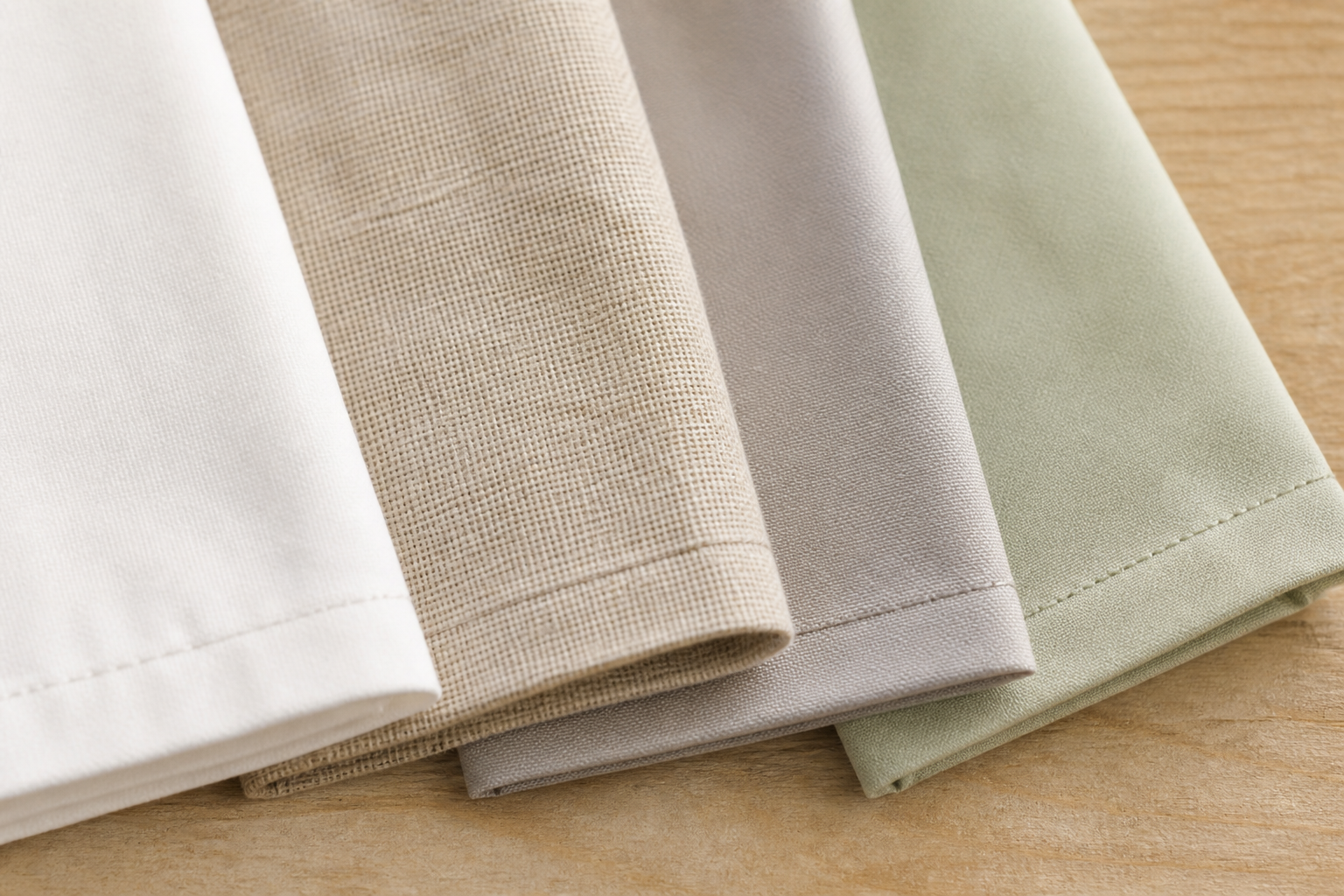
The fabric determines how your napkins look, feel, and hold up. Here are the most popular choices:
Cotton
Cotton is the most popular napkin fabric — and for good reason. It is soft, highly absorbent, durable, and machine-washable. Cotton napkins come in every color and pattern imaginable, from classic gingham checks to elegant solid tones, making them ideal for everyday use and casual entertaining.
Linen
Linen is the traditional choice for fine dining and formal occasions. It has a beautiful natural texture, becomes softer with each wash, and is extremely durable. Linen napkins wrinkle more easily than cotton, but that relaxed, organic look is exactly what makes them so elegant. Many restaurants and hosts consider linen the gold standard of napkin cloth.
Polyester & Blends
Polyester and cotton-polyester blends are wrinkle-resistant, stain-resistant, and colorfast. They hold vibrant colors and crisp creases well, dry quickly, and need little or no ironing. This makes them a smart, budget-friendly choice for events, restaurants, and busy households.
Bamboo Viscose
Bamboo viscose napkins are soft, silky, and naturally antibacterial. They drape beautifully, resist odors, and have a gentle sheen that works well for weddings and upscale dinners. They are also an increasingly popular eco-friendly option.
Napkin Sizes and Shapes
- Cocktail napkins (about 12 in / 30 cm): small squares for drinks, appetizers, and cocktail parties.
- Luncheon napkins (about 17 in / 43 cm): the everyday standard for breakfast, lunch, and casual meals.
- Dinner napkins (20–22 in / 51–56 cm): the classic full-size napkin for formal dinners and festive meals.
- Oversized dinner napkins (24 in / 61 cm): a luxurious, modern choice that drapes generously on the lap and allows for dramatic folds.
Most cloth napkins are square, which makes folding easier and works with every place setting. Rectangular “bread” napkins are occasionally used for tea and brunch. When in doubt, a 17–18 inch square luncheon napkin covers 90% of everyday needs, while 20–22 inch squares are best for formal entertaining.
Classic Napkin Folding Styles
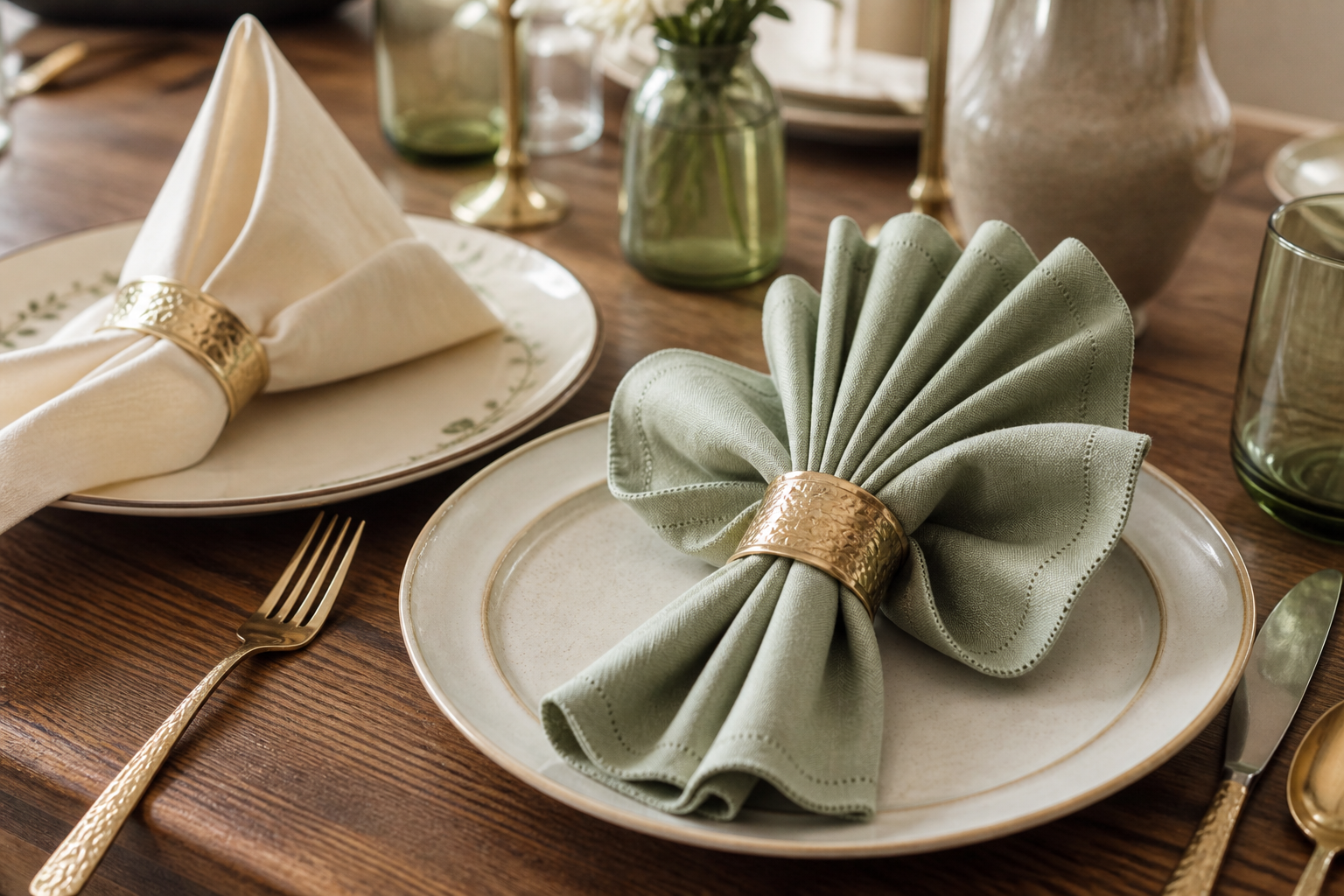
You do not need to be a hotel stylist to fold beautiful napkins. These classic folds are easy to learn and always impress:
- The simple rectangle: fold the napkin in half twice and place it to the left of the forks — clean, understated, and perfect for everyday meals.
- The pocket fold: fold into a rectangle, then fold one corner down to create a pocket. Tuck cutlery or a sprig of rosemary inside for an instant upgrade.
- The pyramid: fold into a triangle, then bring the corners together to form a standing pyramid — a timeless formal look.
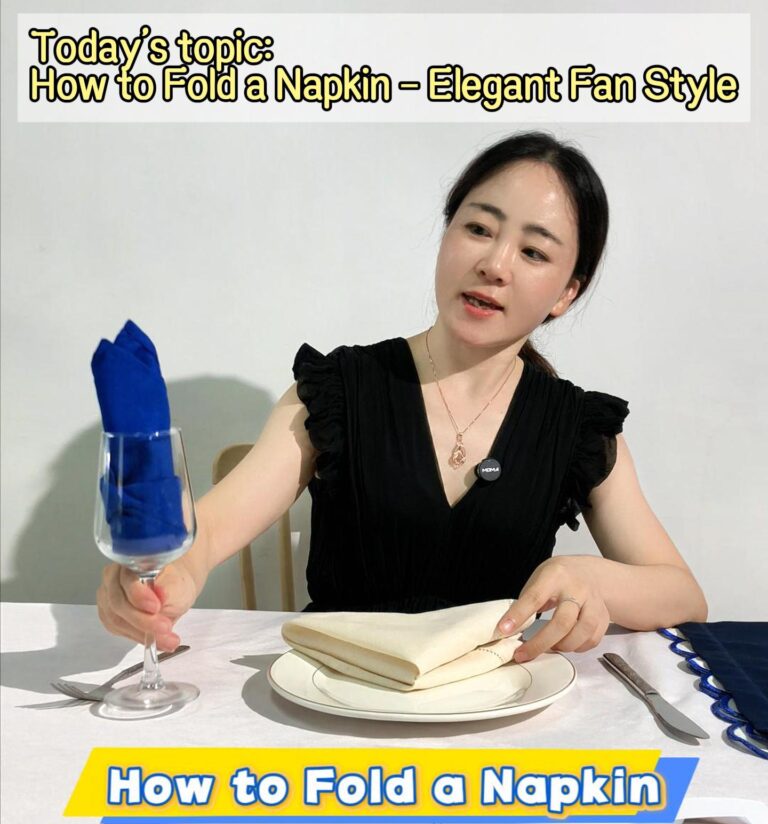
- The fan: accordion-fold the napkin, pinch the base, and let the folds fan out like a peacock. Stunning for buffets and celebrations.
- The napkin ring fold: simply roll the napkin and slip it through a ring. Effortless, elegant, and perfect for casual-chic tables.
Pro tip: lightly starching and ironing your napkins before folding helps them hold crisp shapes — especially for pyramid and fan folds.
Napkin Styling Ideas for Every Occasion
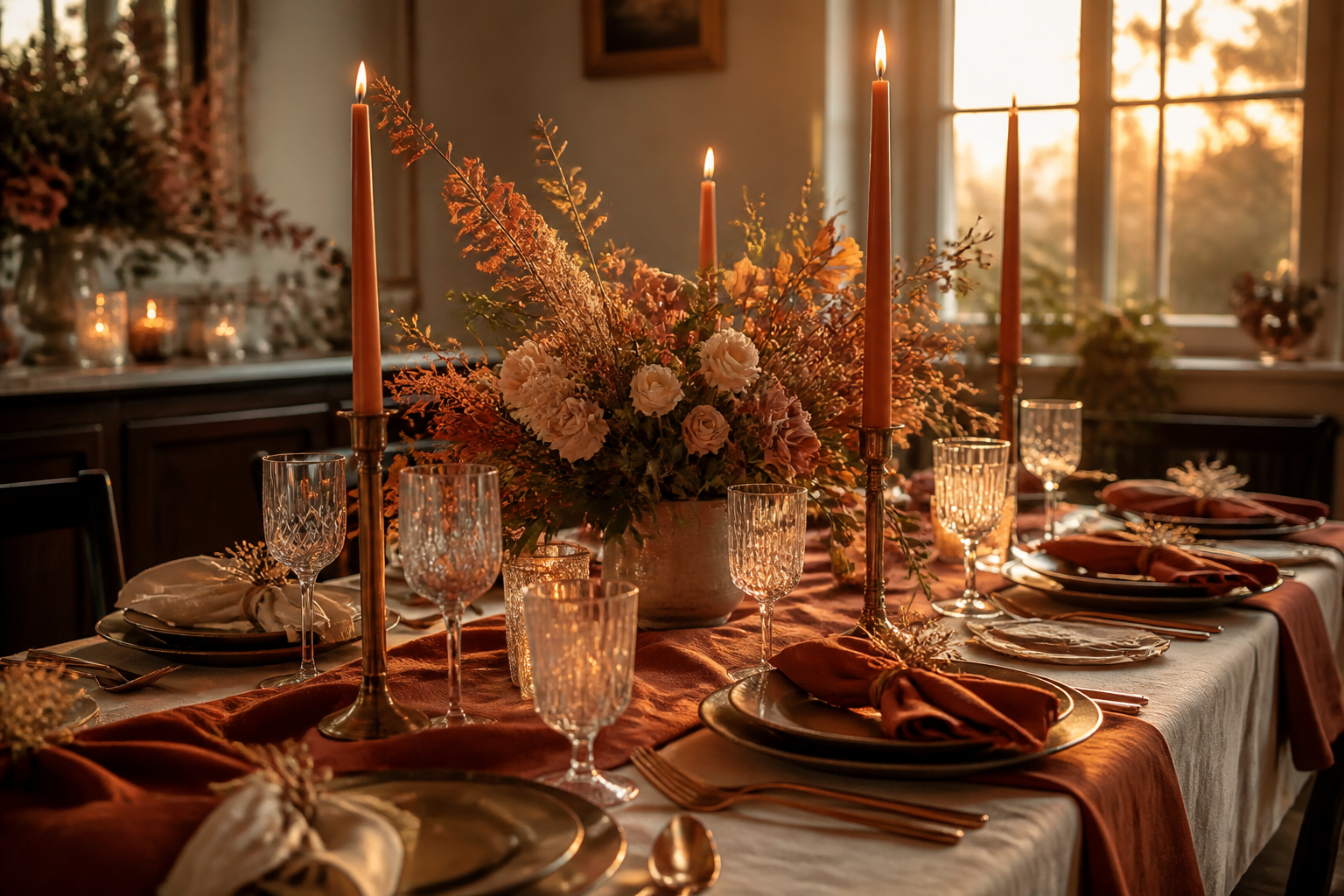
- Everyday meals: stack napkins neatly beside each plate in a soft neutral tone like white, cream, or sage.
- Formal dinners: choose crisp white or ivory linen, ironed sharp, with a classic pyramid or pocket fold.
- Holidays: go festive — deep reds and greens for Christmas, orange and gold for autumn, pastels for spring and Easter.
- Weddings & special events: personalize napkins with elegant rings, dried flowers, or handwritten place cards.
- Layering: mix napkin colors with your table runner and placemats — contrast creates depth, matching creates calm.
- Napkin rings: a set of rings lets you use the same napkins for different events — swap metal, wood, and rattan rings for a whole new look.
How to Care for Cloth Napkins
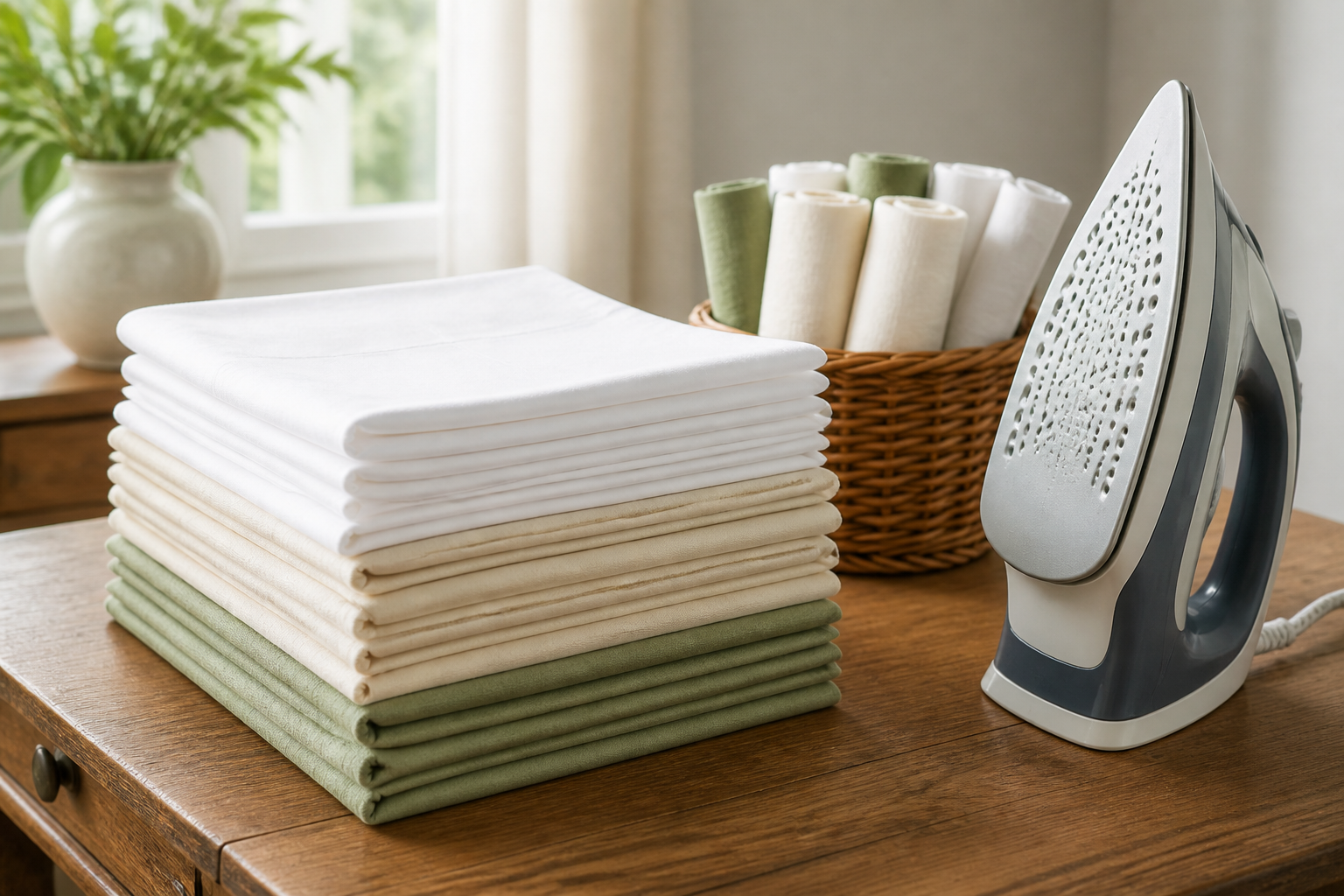
- Washing: most cotton and polyester napkins are machine-washable in warm water. Linen and bamboo napkins are best washed on a gentle cycle in cold water. Always check the care label.
- Red wine spills: blot immediately with a clean cloth (never rub), then soak the stain in cold water or a gentle stain remover before washing. Salt sprinkled on a fresh spill can also help lift the wine.
- Grease and oil: pre-treat with a small amount of dish soap or a degreasing laundry detergent before washing in warm water.
- Coffee and tea: rinse in cold water right away, then treat with an oxygen-based bleach safe for colored fabrics.
- Drying: air-dry when possible, or use low heat and remove while slightly damp.
- Ironing: iron cotton and linen while slightly damp for a crisp finish. Use a pressing cloth to protect embroidered or printed details.
- Storage: fold napkins neatly in a drawer or linen closet, away from direct sunlight to prevent fading. Store with a sachet of lavender to keep them fresh.
Napkin FAQs
How many cloth napkins should I own?
Start with enough for your largest regular gathering — typically 8 to 12. Add a second set in a different color so you can mix and match for holidays and parties.
Which side does the napkin fold face?
Traditionally, the open corners of a folded napkin face toward the plate or the left. Either way, keep the folds neat and the monogram or pattern facing the guest.
Can I use cloth napkins for outdoor dining?
Absolutely. Cotton and polyester napkins are practical choices outdoors — they are washable, reusable, and heavier than paper, so they stay put in the breeze. Just weigh them down with napkin rings or a plate.
Are paper napkins ever better?
For very casual, high-volume events like large barbecues, paper napkins can be more practical. But for nearly every other occasion, cloth napkins look better, feel better, and save money and waste in the long run.
Final Thoughts
Cloth napkins are a small detail with a surprisingly big impact. They bring warmth, elegance, and personality to every meal — and with the right fabric and a little care, they will serve you beautifully for years. Whether you prefer crisp white linen for formal dinners or colorful cotton for everyday meals, there is a napkin for every table and every occasion.
Ready to refresh your dining table? Browse our collection of cloth napkins, napkin rings, and table linens to find the perfect match for your home.