There is a quiet luxury to a jacquard tablecloth that printed linens simply cannot replicate. The pattern is not painted on the surface — it is woven into the very structure of the fabric, giving it depth, texture, and a richness that only grows more beautiful with time.
Whether you are dressing a formal dining room, hosting a holiday feast, or outfitting a restaurant, this guide explains what jacquard tablecloths are, the patterns and fabrics available, how to choose one, and how to keep it looking its best.
What Is a Jacquard Tablecloth?
A jacquard tablecloth is made on a special loom that controls each warp thread independently, allowing complex patterns to be woven directly into the fabric. Named after the French weaver Joseph Marie Jacquard, who revolutionized weaving in the early 19th century, the technique creates raised, textured designs with unmatched precision.
The key difference from printed tablecloths: a printed pattern sits on the surface and can fade, crack, or wash off over time. A jacquard pattern is part of the fabric itself — it will never fade, peel, or disappear, no matter how many times it is washed.
Why Choose a Jacquard Tablecloth?
- Timeless elegance. The woven texture catches light subtly, adding depth and sophistication to any table.
- Incredible durability. Because the pattern is woven in, jacquard tablecloths withstand years of washing and use without losing their design.
- No fading. Unlike printed patterns, jacquard designs stay crisp — ideal for tablecloths laundered frequently.
- Luxurious feel. The raised weave creates a rich, tactile surface that feels far more premium than its price.
- Versatile styling. From formal damask to relaxed floral, jacquard suits both grand occasions and everyday elegance.
Popular Jacquard Patterns
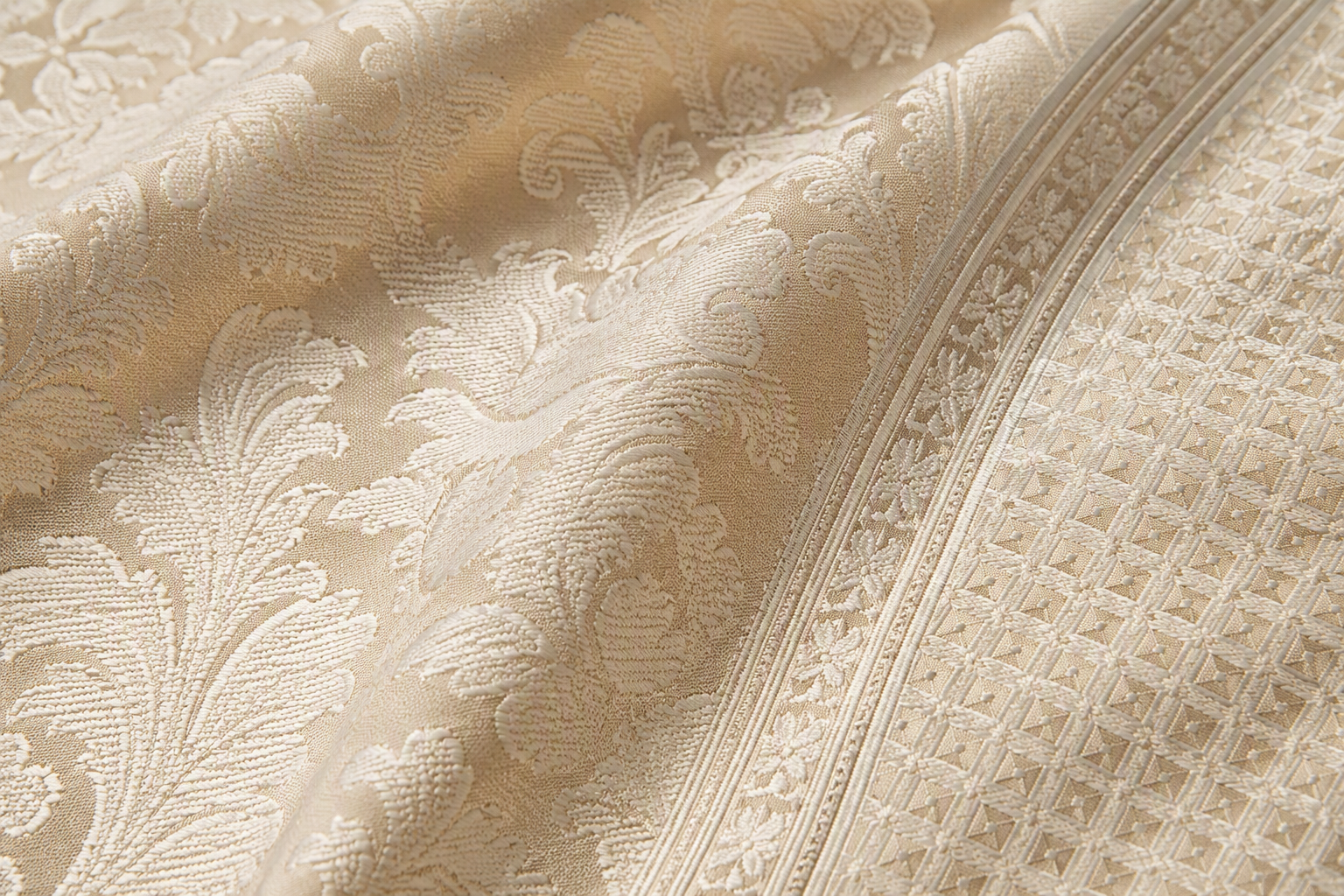
Damask
The most classic jacquard pattern. Damask features elaborate, symmetrical motifs — often floral or scrollwork — woven in a single color, with the pattern visible through light and shadow. Damask tablecloths are the traditional choice for formal dining and special occasions.
Floral
Floral jacquard patterns bring romance and softness to the table. From delicate blossoms to bold oversized blooms, floral weaves suit spring gatherings, weddings, and garden parties.
Geometric
Geometric jacquard patterns — lattices, chevrons, and modern linework — give the fabric a contemporary edge. They pair beautifully with minimalist table settings and modern interiors.
Border and medallion
Many jacquard tablecloths feature a richly woven border or a central medallion, framing the table like a work of art. Border designs add elegance without overwhelming the tableware placed on top.
Fabrics Used for Jacquard
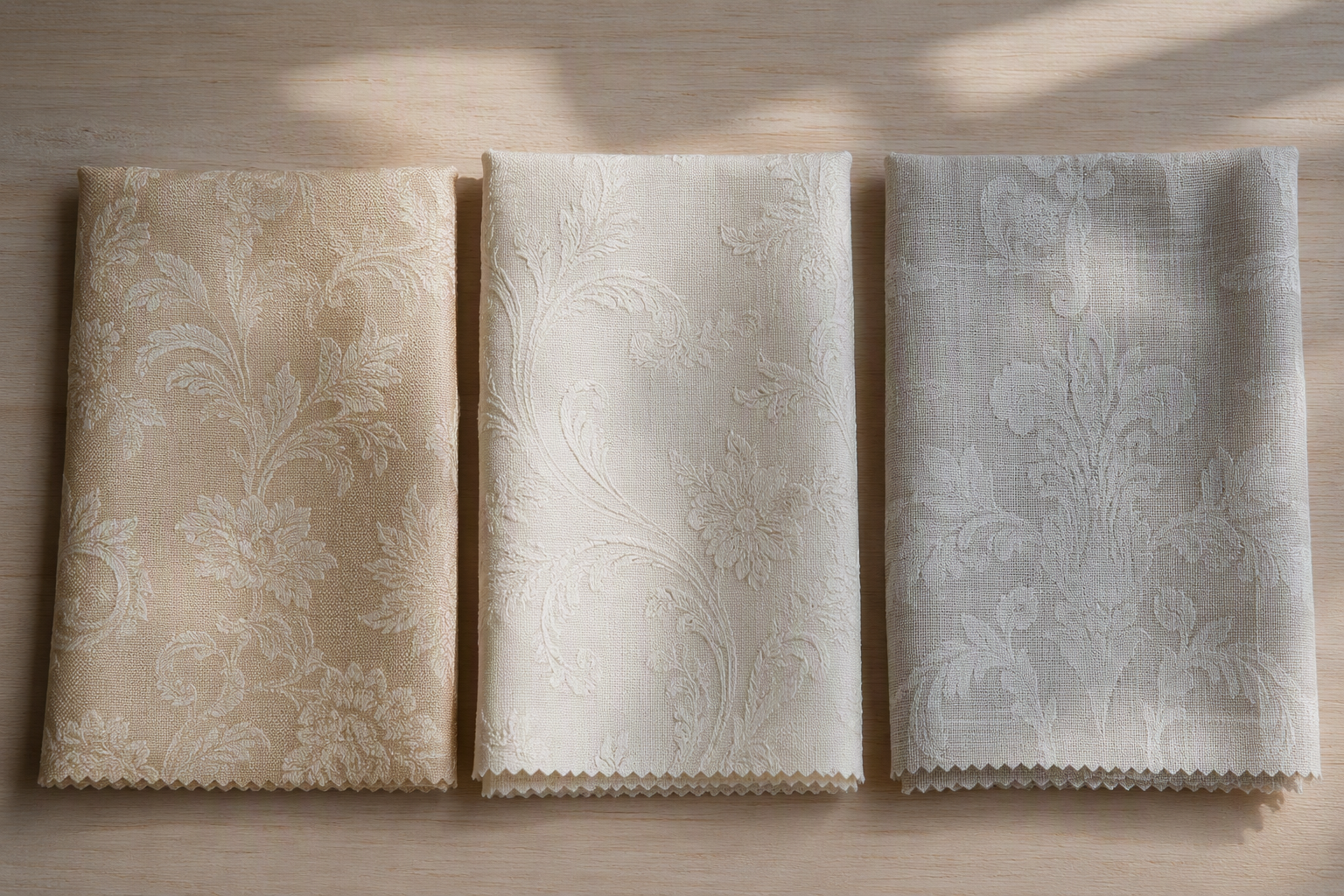
Polyester jacquard
Polyester jacquard is durable, colorfast, and wrinkle-resistant — the most practical choice for restaurants, banquet halls, and busy households. It holds intricate patterns beautifully and requires minimal ironing.
Cotton jacquard
Cotton jacquard is soft, breathable, and comfortable, with a natural matte finish. It suits everyday elegance and casual entertaining, and it becomes softer with each wash.
Linen and blends
Linen jacquard is the premium choice — crisp, textured, and effortlessly sophisticated. Linen-cotton and linen-polyester blends offer a balance of natural character and easy care, ideal for those who want the best of both worlds.
How to Choose a Jacquard Tablecloth
- Size: measure your table and add the desired drop on each side — typically 10–12 in (25–30 cm) for casual, or 20–30 in (50–75 cm) for formal floor-length styles.
- Shape: jacquard tablecloths are available for rectangular, round, square, and oval tables. Match the shape to your tabletop for the cleanest look.
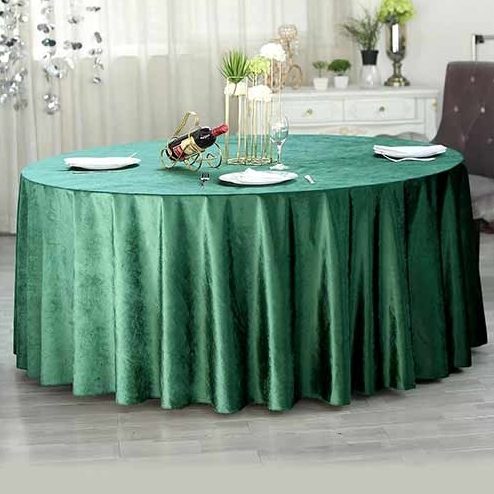
- Color: ivory, white, and champagne are timeless and show woven patterns best. Rich tones like burgundy, navy, and emerald add drama for holidays and evenings.
- Pattern scale: for large tables, choose bold, larger-scale patterns that suit the size of the room; for small tables, finer patterns look more refined.
- Occasion: damask and medallion designs for formal events; floral and geometric for everyday and contemporary settings.
Styling Ideas for Every Occasion
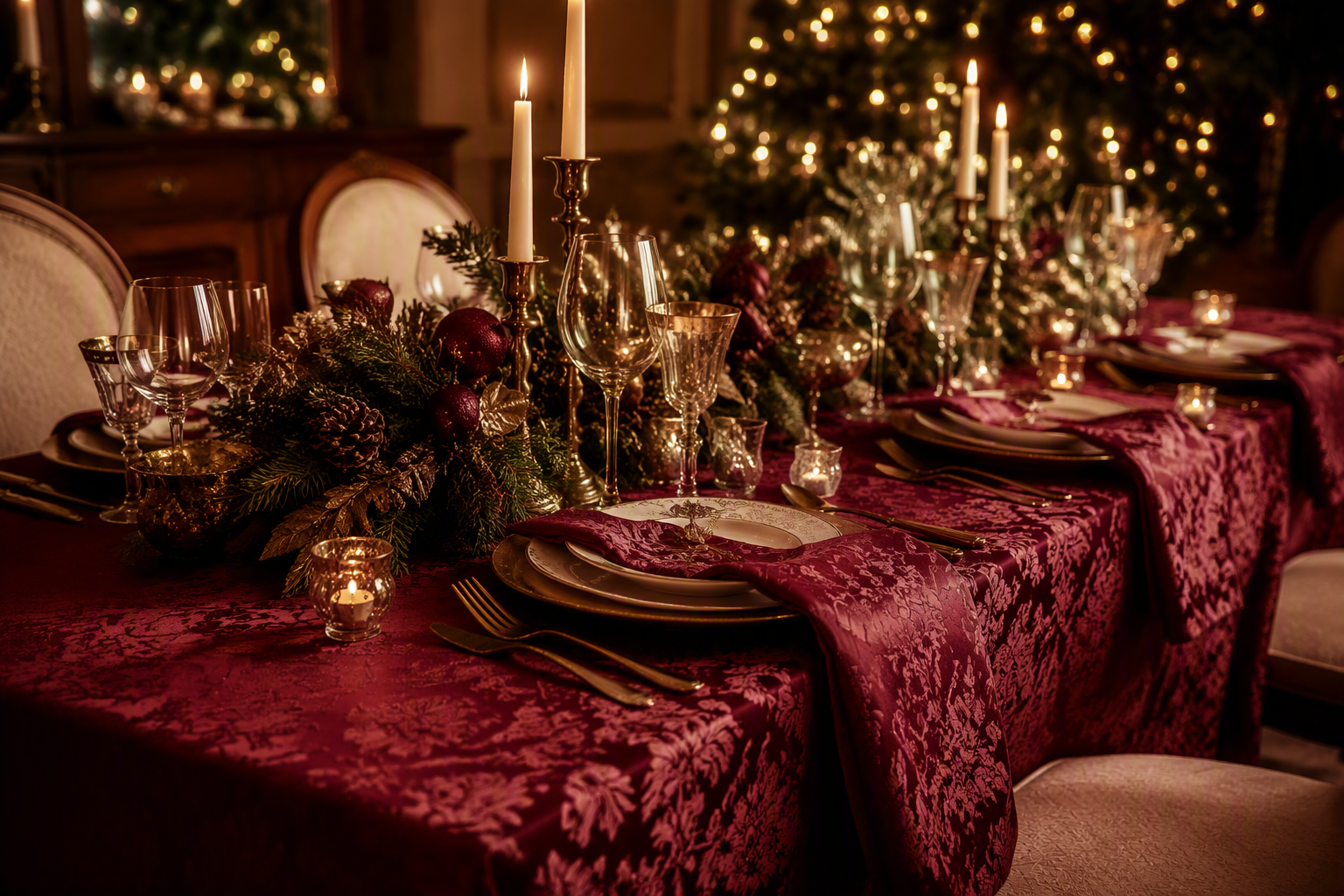
- Formal dinners: an ivory damask jacquard cloth with fine china, crystal, and candlelight creates an instantly refined setting.
- Holidays: deep burgundy, forest green, or gold jacquard with festive centerpieces makes the table the heart of the celebration.
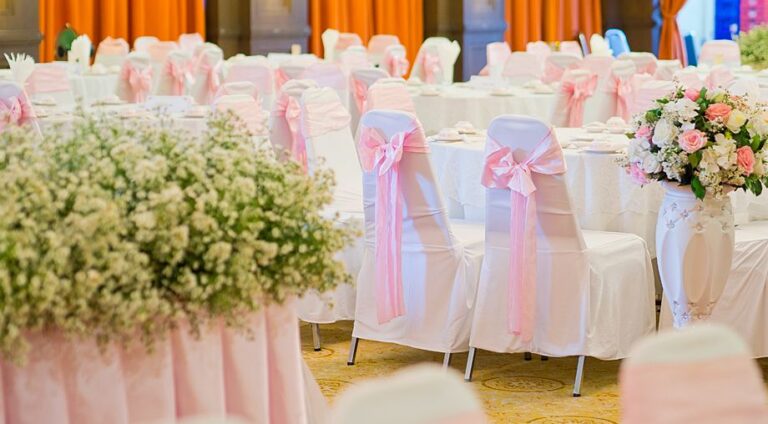
- Weddings and events: jacquard tablecloths add texture and luxury to reception tables without competing with centerpieces.
- Everyday elegance: a cotton jacquard cloth in a soft tone turns a weekday dinner into a small occasion.
- Layering: place a table runner or lace overlay over a jacquard cloth to combine textures — a favorite trick of professional stylists.
- Pro tip: let the pattern breathe. Keep tableware and decor simple so the woven design remains the star.
Care & Maintenance
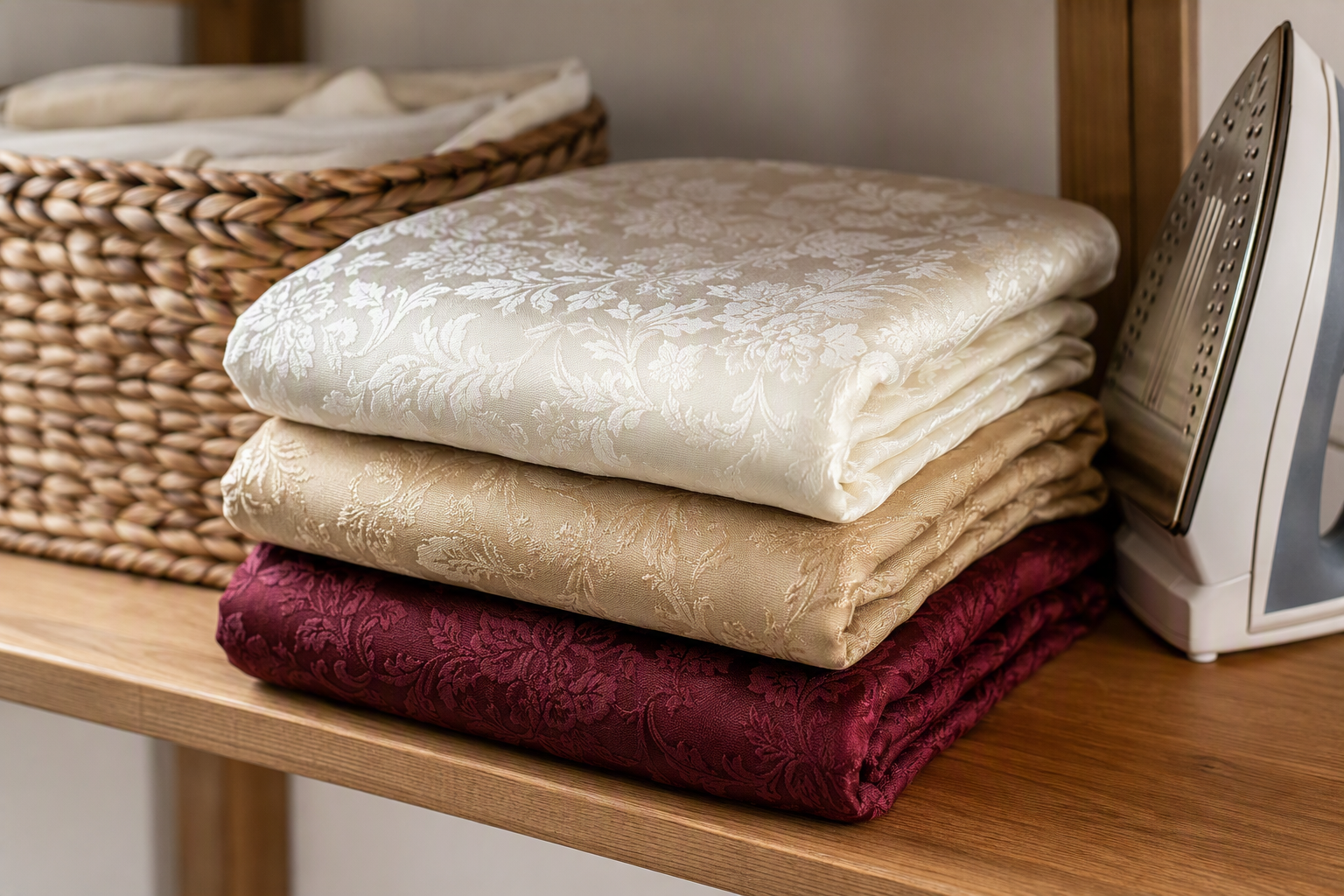
- Washing: machine-wash in cold or warm water on a gentle cycle. Most polyester jacquard is easy-care; check the label for cotton and linen blends.
- Bleach: avoid chlorine bleach — use oxygen-based bleach for whites to protect both color and fibers.
- Drying: air-dry or tumble dry on low heat. Remove while slightly damp to reduce wrinkles.
- Ironing: iron while slightly damp for the crispest finish. Press the reverse side to keep the raised woven pattern defined.
- Stain care: blot spills immediately and pre-treat stains before washing; never rub woven patterns harshly.
- Storage: fold with the pattern facing inward and store flat in a cool, dry place away from direct sunlight to prevent fading.
Jacquard Tablecloth FAQs
What is the difference between jacquard and printed tablecloths?
Jacquard patterns are woven into the fabric during production, while printed patterns are applied to the surface. Jacquard designs are more durable, textured, and never fade or peel, but they are generally a little more expensive.
Is jacquard the same as damask?
Not exactly. Damask is one specific style of pattern (symmetrical, often floral or scrollwork, woven in a single color). Jacquard refers to the weaving technique itself, which can produce damask, floral, geometric, and many other patterns.
Are jacquard tablecloths machine-washable?
Yes, most are. Wash on a gentle cycle in cold or warm water and avoid chlorine bleach. Always check the care label, especially for linen blends.
Are jacquard tablecloths suitable for everyday use?
Absolutely. Cotton and polyester jacquard cloths are durable enough for daily dining, while the woven pattern adds a touch of elegance to every meal.
Final Thoughts
A jacquard tablecloth is more than a table covering — it is a piece of textile art. Woven, not printed, its pattern carries a depth and durability that ordinary cloths cannot match, and it only improves with age. Whether you choose classic damask for formal dinners or a modern geometric for everyday elegance, a jacquard tablecloth will grace your table for years.
Ready to elevate your dining table? Browse our collection of jacquard tablecloths, table runners, and table linens — available in a range of patterns, fabrics, and sizes, with customization options for venues and businesses.