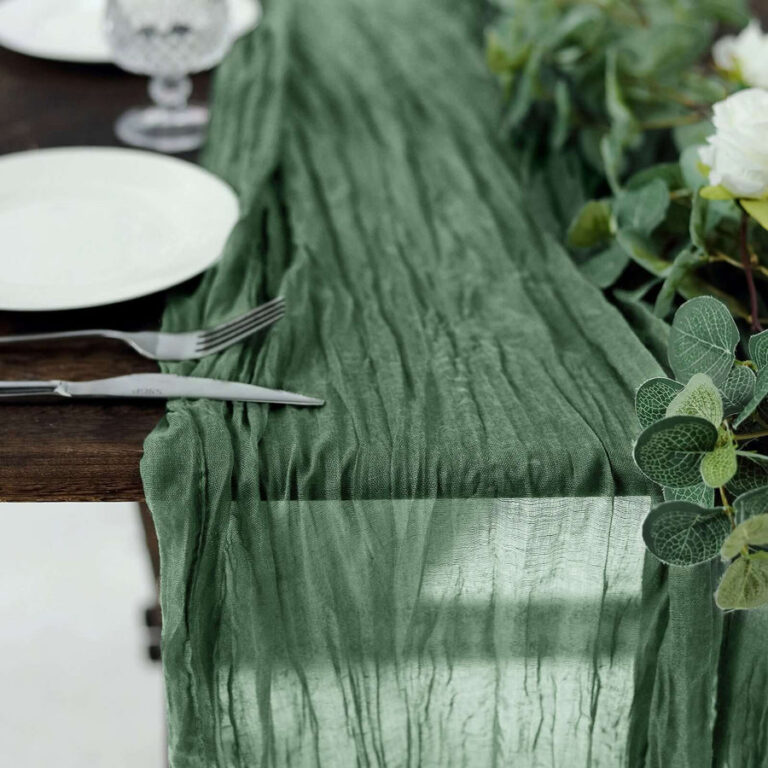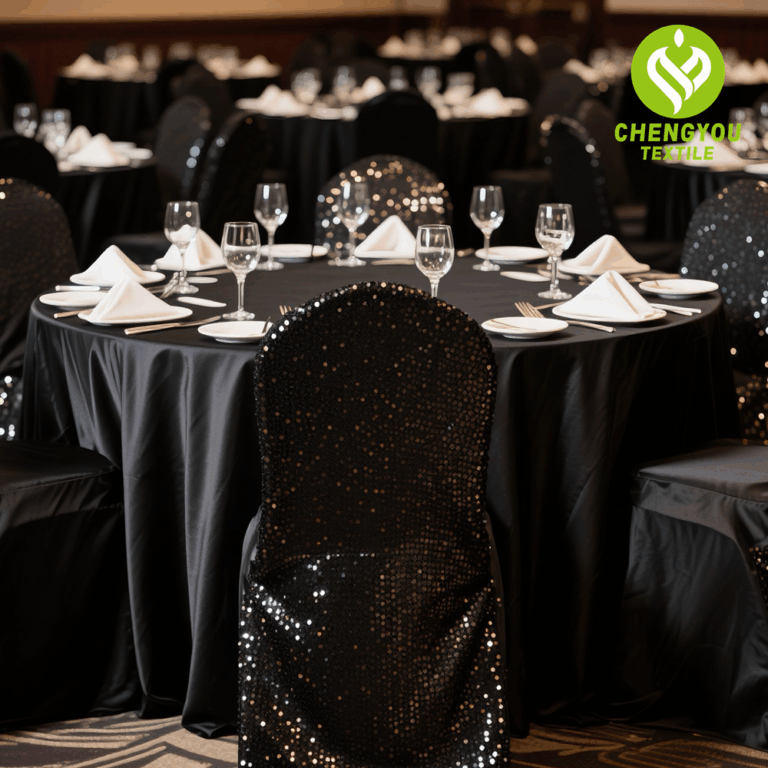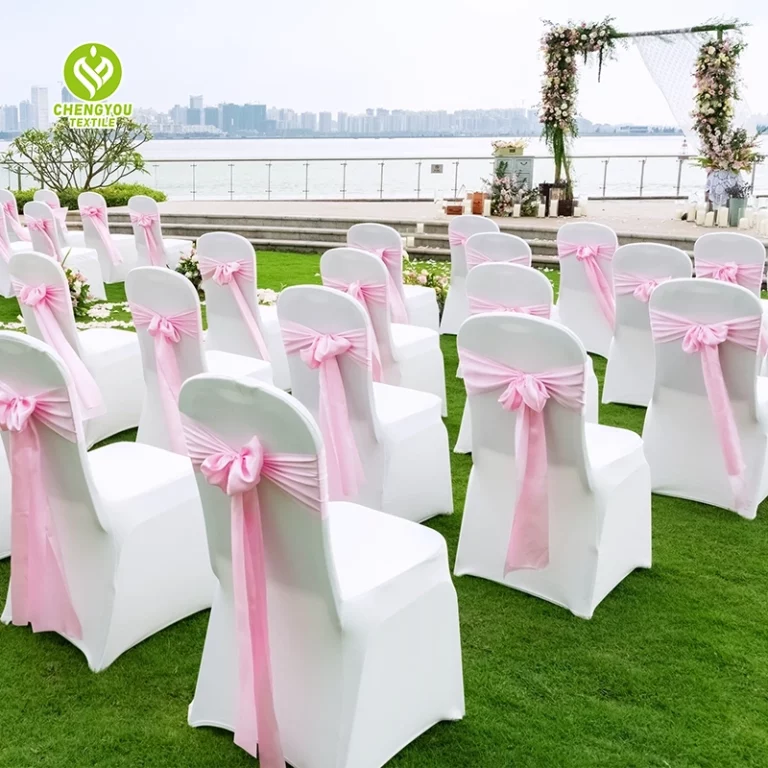
The linen napkin is the one the table reads as the program. Where the cotton napkin is the workhorse that runs the wash, the linen is the napkin the hand is read on — the slub of the flax, the matte hand, and the hemstitch that is the edge the linen is dressed with. It is the napkin of the fine table and the event table, and the cloth that is bought for the hand it carries, and the hand is the figure the program is read on. But the linen napkin is not a napkin, it is a fibre with a figure: the flax, the weight, the size and the hemstitch, and the four together are the piece the table is set on. Get those right, and the linen napkin keeps its hand, its white and its line through the program, the way the fibre is run in the room.
1. Why the Linen Napkin Is the Napkin of the Program
- The linen is the napkin the hand is read on. The table reads the napkin before it reads the cloth, and the hand of the napkin is the figure the program is set on. The linen is the napkin that reads as the hand, the flax the eye and the touch are read on, and the table that wants the program is the table it is dressed with.
- The linen is the fibre that carries the program. The cotton carries the wash, and the linen carries the hand, and the fibre that is run on the table the program is set on is the fibre the napkin is dressed with. The linen is the one the fine table and the event table are run on, the way the programme is run in the room.
- The slub is the signature of the flax. The linen is the napkin with the slub, the irregular line of the fibre that the eye is read on, and the slub is the figure that tells the linen from the cloth that is run to look like it. The slub is the signature, and it is the one the napkin is approved on.
- The linen is kept by the wash and the press. The linen is the napkin that is washed and pressed, and the press is the step the hand is kept for, the way the care is run in the program. The linen that is washed and pressed is the one the table is run on.
2. The Character of the Flax
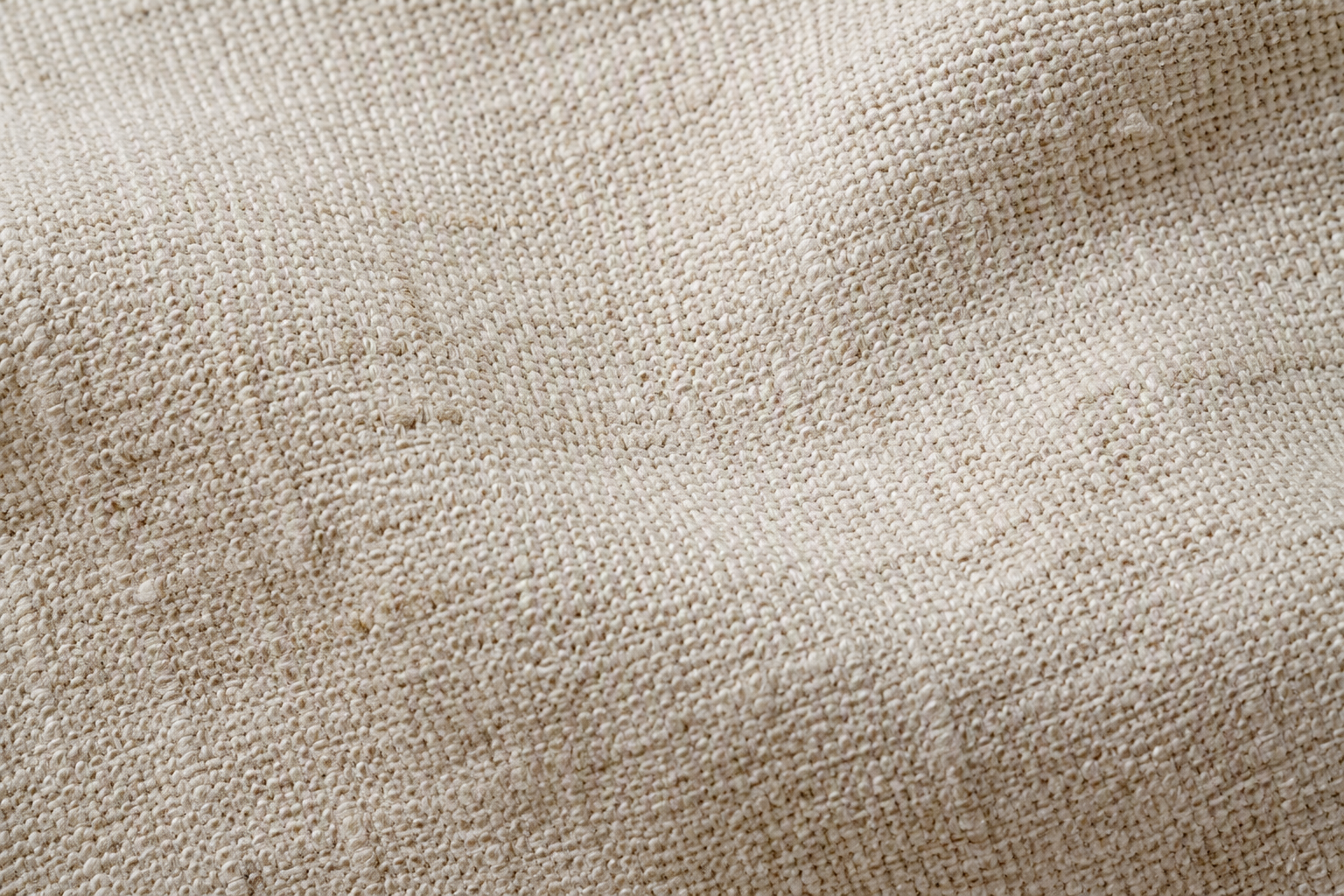
- The slub is the line the eye is read on. The flax is the fibre with the slub, the irregular thick and thin of the yarn that runs through the cloth, and the slub is the figure the linen is read on. The slub that is stated is the one the napkin is approved on, the way the figure is matched to the order.
- The matte is the hand the linen is read on. The linen is the napkin with the matte, the surface that reads as the natural and not the shine, and the matte is the figure the hand is set on. The matte that is stated is the one the napkin is approved on, the way the hand is matched to the program.
- The linen softens with the wash. The linen is the fibre that softens with the wash, and the napkin that is washed is the napkin that is softened, the way the hand is run in the program. The linen that is washed is the one the hand is read on, and the hand is the figure the program is set on.
- The flax is the fibre the linen is run on. The flax is the fibre that the linen is made from, and the napkin that is run on the flax is the napkin that reads as the linen, the way the fibre is run in the program.
3. Pure Linen and the Linen Blends
- The pure linen is the napkin the program is run on. The linen that is run on the table the program is set on is the linen that reads as the fibre, and the pure linen is the one the hand is read on, the way the fibre is matched to the program.
- The linen-cotton is the blend that carries the hand. The blend of the linen and the cotton is the napkin that reads as the hand of the linen with the work of the cotton, and the ratio of the blend is the figure the hand is set by, the way the blend is run in the program. The ratio that is stated is the one the napkin is approved on.
- The blend is the napkin the work is run on. The blend is the napkin that carries the hand of the linen with the work of the cotton, and the ratio of the blend is the figure the work is set by, the way the blend is matched to the program it is run on.
- The fibre is the first line of the specification. The pure and the blend are the two the linen napkin is run on, and the one that is stated is the one the napkin is approved on, the way the fibre is matched to the order in the program.
4. Weight and the GSM
- The gsm is the figure the hand is set by. The weight of the linen is the figure the hand is read on, and the gsm that is stated is the one the napkin is approved on, the way the weight is matched to the order in the program.
- The dinner and the cocktail are the two the linen is run on. The dinner napkin is the linen that is run on the table the program is set on, and the cocktail napkin is the linen that is run on the event that is set with the smaller fold, the way the size is run to the table in the program.
- The weight is the life of the linen. The linen that is run on the program is the linen that carries the wash, and the weight is the figure the wash is set by, the way the life is matched to the program it is run on.
- The gsm is stated on the order, and the sample is read to it. The weight that is stated is the one the napkin is approved on, and the sample that is read to the gsm is the one the order is matched to, the way the weight is run in the program.
5. Size and Shape
- The size is run to the fold, not the fold to the size. The linen napkin is cut to the fold it is run on, and the size is the figure the fold is set by, the way the size is matched to the fold in the program.
- The square is the size the linen is run on. The square is the napkin the linen is most often run on, and the square that is stated is the one the fold is set by, the way the size is matched to the program it is run on.
- The finished size is the size the table is run on. The size that is stated on the order is the finished size, and it is the number the fold is set by, the way the size is matched to the table in the program.
- The size is stated to the program. The dinner and the cocktail are the two the size is run on, and the one that is stated is the one the napkin is approved on, the way the size is run in the program.
6. Colour and the Bleach
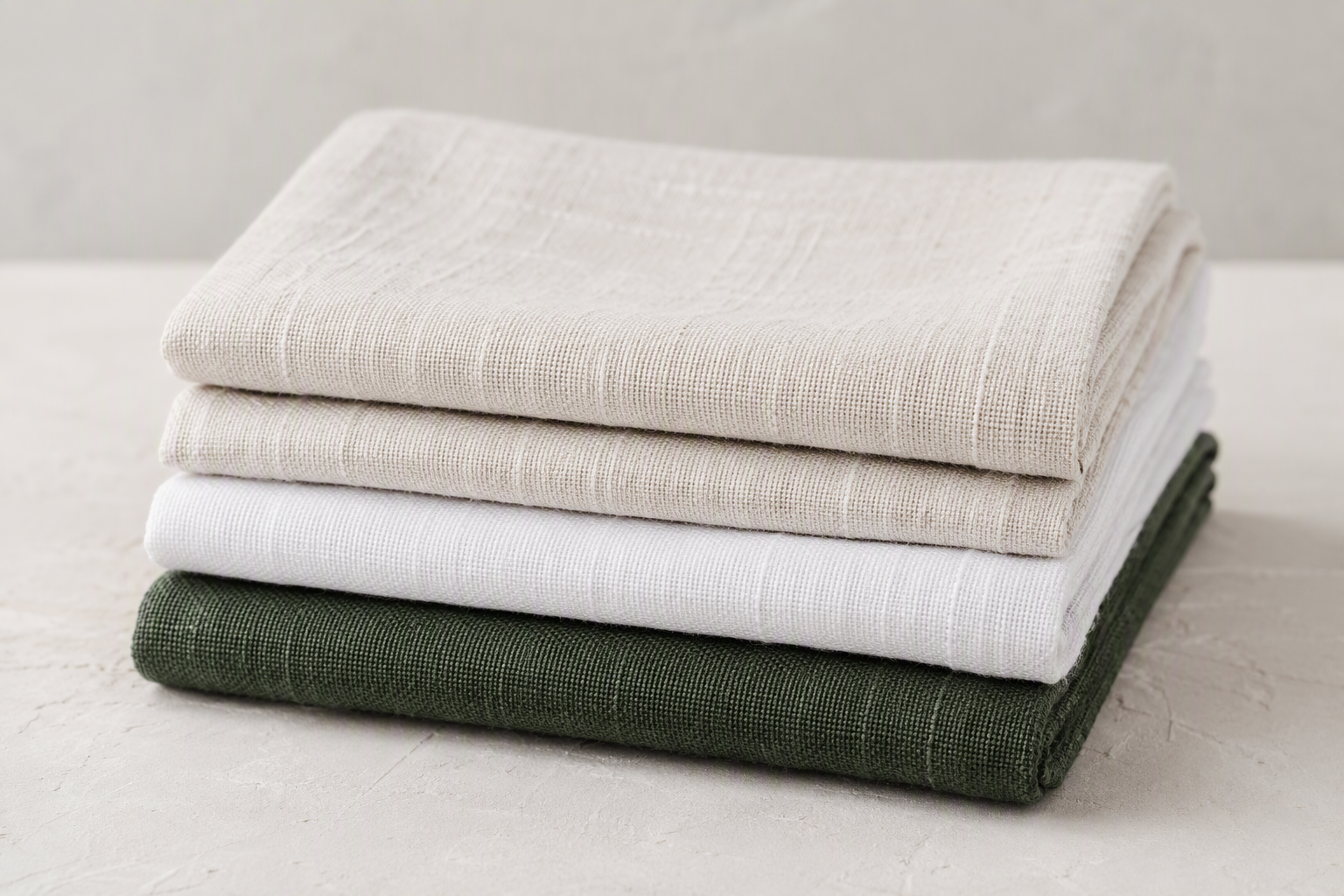
- The ecru is the colour the linen is read on. The ecru is the natural colour of the flax, and the linen that is run in the ecru is the linen that reads as the fibre, the way the colour is matched to the program it is run on.
- The white is the linen the program is run on. The white is the colour the program is run on, and the white of the linen is the white that reads as the hand, the way the colour is matched to the table in the program.
- The dyed linen is the colour the event is run on. The linen that is dyed is the napkin that is run on the event that is set with the colour, and the colour that is stated is the one the napkin is approved on, the way the colour is matched to the event in the program.
- The lot is matched the way the lot is matched on the cloth. The linen runs by lot, and the lot that is not matched is the program that shows the line across the tables, and the sample is cut from the lot that will be run, the way the lot is run in the program.
7. The Edge and the Hemstitch
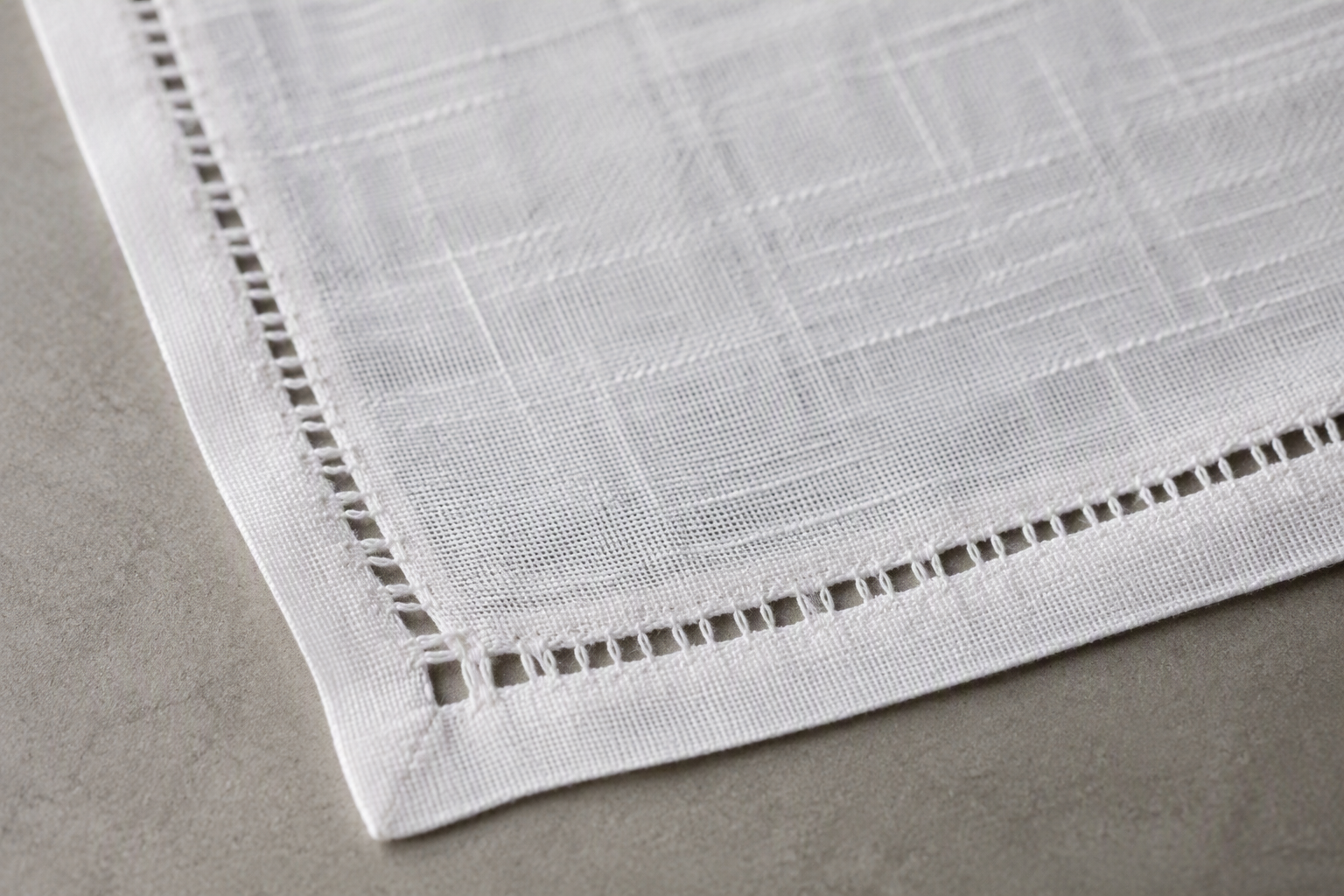
- The hemstitch is the edge the linen is dressed with. The hemstitch is the openwork edge of the linen, the threads that are removed and secured to the line of the edge, and the hemstitch is the figure the linen is read on. The hemstitch that is stated is the one the napkin is approved on, the way the edge is matched to the program.
- The hemstitch is the edge the cocktail is run on. The cocktail napkin is the linen that is run with the hemstitch, and the hemstitch is the edge the cocktail is dressed with, the way the edge is matched to the event in the program.
- The serged and the bound are the edges the work is run on. The linen that is run on the work is the linen that is dressed with the serged or the bound, and the edge that is stated is the one the napkin is approved on, the way the edge is matched to the program it is run on.
- The edge is the figure the napkin is approved on. The hemstitch, the serged and the bound are the three the edge is run on, and the one that is stated is the one the napkin is approved on, the way the edge is run in the program.
8. Folding and the Hand of the Linen
- The linen is folded the way the hand is set. The linen is the napkin that is folded to the hand, and the fold is the figure the hand is set by, the way the fold is matched to the napkin in the program.
- The linen holds the crease, and the crease is the line. The linen is the napkin that holds the crease, and the crease is the line the fold is set on, the way the crease is matched to the hand in the program.
- The fold is run to the napkin, not the napkin to the fold. The linen is the napkin the fold is run on, and the fold that is stated is the one the napkin is approved on, the way the fold is matched to the program it is run on.
- The hand is the figure the table is read on. The linen is the napkin the hand is read on, and the hand that is set is the one the table is approved on, the way the hand is run in the program.
9. Commercial Washing and the Press
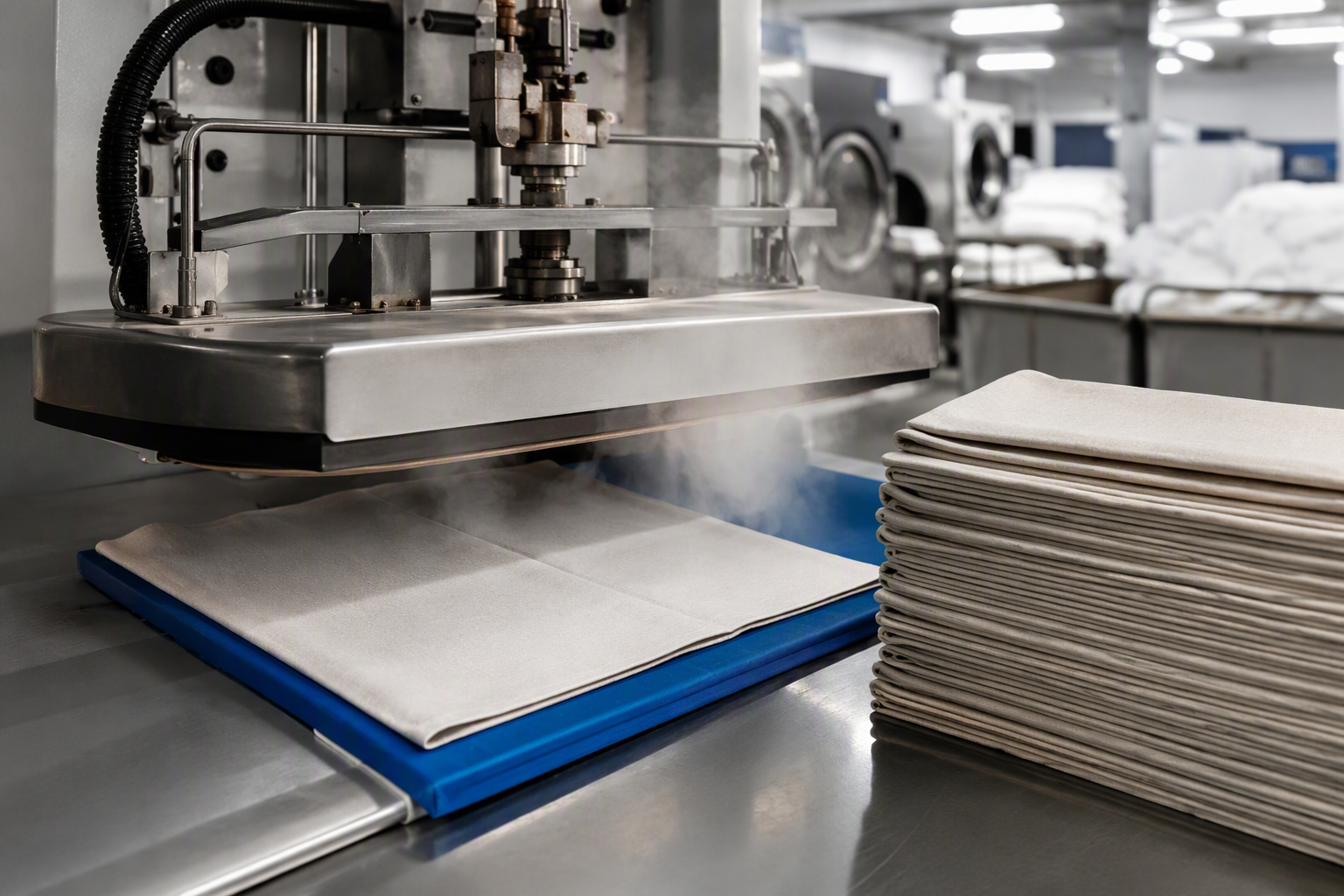
- The linen is washed the way the fibre is kept. The linen is the napkin that is washed to the fibre, and the wash is the figure the hand is kept by, the way the care is matched to the linen in the program.
- The press is the step the linen is set on. The linen is the napkin that is pressed to the fold, and the press is the step the hand is set on, the way the care is matched to the table in the program.
- The linen is the napkin that is kept by the care. The linen is the napkin that carries the program, and the care is the figure the linen is kept by, the way the care is matched to the program it is run on.
- The linen is the napkin the life is run on. The linen is the napkin that is run on the program, and the life is the figure the linen is set by, the way the life is matched to the program it is run on.
10. Where the Linen Napkin Works Best
- The fine table that wants the hand of the linen. The linen is the napkin the fine table is run on, and the hand is the figure the table is set on, the way the linen is matched to the program.
- The event and the wedding that wants the napkin the photograph is built on. The linen is the napkin the event is run on, and the hand is the figure the event is set on, the way the linen is matched to the program.
- The hotel and the bistro that wants the hand of the program. The linen is the napkin the hotel is run on, and the hand is the figure the program is set on, the way the linen is matched to the table.
- The home program that wants the napkin the table is read on. The linen is the napkin the home is run on, and the hand is the figure the table is set on, the way the linen is matched to the program.
11. B2B Specifications for Linen Napkins
- State the fibre and the slub first, in writing. The pure and the blend are the two the linen is run on, and the slub is the figure the hand is set by, and the two together are the first lines of the order, the way the specification is matched to the program.
- Set the gsm to the hand, and the size to the fold. The weight is the figure the hand is set by, and the size is the figure the fold is set by, and the two are the lines the napkin is approved on, the way the specification is matched to the order.
- Specify the edge and the colour to the program. The hemstitch, the serged and the bound are the three the edge is run on, and the colour is the figure the program is set on, and the two are the lines the napkin is approved on, the way the specification is matched to the program.
- Approve the sample washed and pressed, and read the hand on the table. The linen that has not been washed and pressed has not been specified, and the hand is read on the table in the light of the room, and the finished sample is the piece that carries the decision, the way the sample is approved in the program.
12. Linen Napkin FAQs
Is the linen better than the cotton for the napkin?
The linen is the napkin the hand is read on, and the cotton is the napkin the wash is run on. The linen carries the hand of the flax, and the cotton carries the work of the wash, and the one that is stated is the one the napkin is approved on, the way the fibre is matched to the program it is run on.
How is the linen read from the cloth that looks like it?
The linen is read by the slub, the irregular line of the fibre, and the cloth that is run to look like the linen is read by the weave, not the slub. The slub is the signature, and it is the one the linen is approved on, the way the figure is matched to the program.
How is the white of the linen kept?
The white of the linen is kept by the wash and the press, and the wash is run to the fibre and the press is the step the white is set on. The linen that is washed and pressed is the one the white is kept for, the way the care is run in the program.
How is the crease of the linen kept?
The crease of the linen is kept by the fold and the press, and the linen holds the crease the way the hand is set. The linen that is folded and pressed is the one the crease is kept for, the way the care is run in the program.
Final Thoughts
A linen napkin is not a napkin, it is a fibre with a figure — the flax, the weight, the size and the hemstitch, and the care that keeps the hand through the program. Get the fibre and the slub to the order, the weight to the hand, the edge to the program and the care to the press, and the linen napkin keeps its hand, its white and its line for the length of the program it is set on. That is the difference between a napkin that is folded and a table that is the program.
We supply linen napkins to your specification — the fibre and the slub, the gsm and the size, the hemstitch and the colour, with a sample washed and pressed before the full run. Contact us for linen napkin designs, samples, sizing, MOQs, and wholesale pricing.