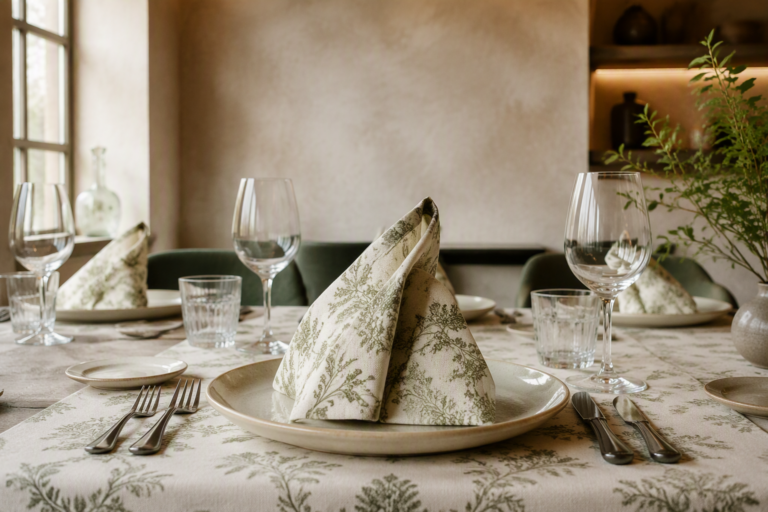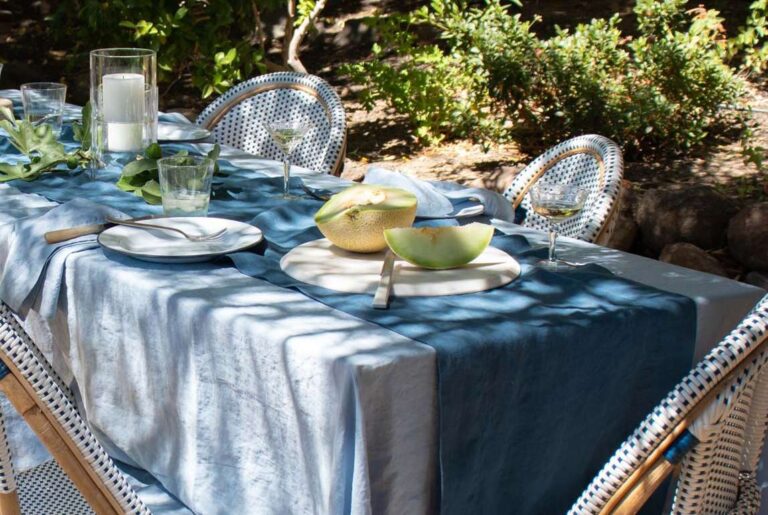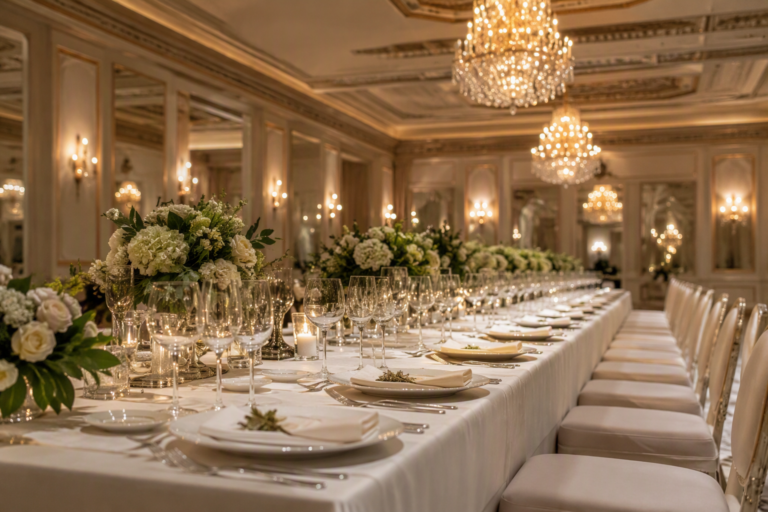
The tablecloth is having a renaissance. Once seen as a purely functional cover, table linens have become one of the most expressive elements of home and hospitality design — and the market is responding with new fabrics, new finishes, and new ways to personalize. For retailers, importers, and hospitality buyers, understanding these shifts is the difference between stocking what sells and stocking what sits.
Here are the tablecloth trends shaping 2026, and what they mean for anyone buying or selling table linens.
The Tablecloth Market at a Glance
Several forces are moving the market at once: a growing appetite for home entertaining, rising demand for sustainable products, and hospitality venues looking to refresh their look without a full redesign. The result is a market where tablecloths are bought not just as protection, but as a statement — and where buyers increasingly expect choice, quality, and speed.
Trend 1: Sustainability Takes Center Stage
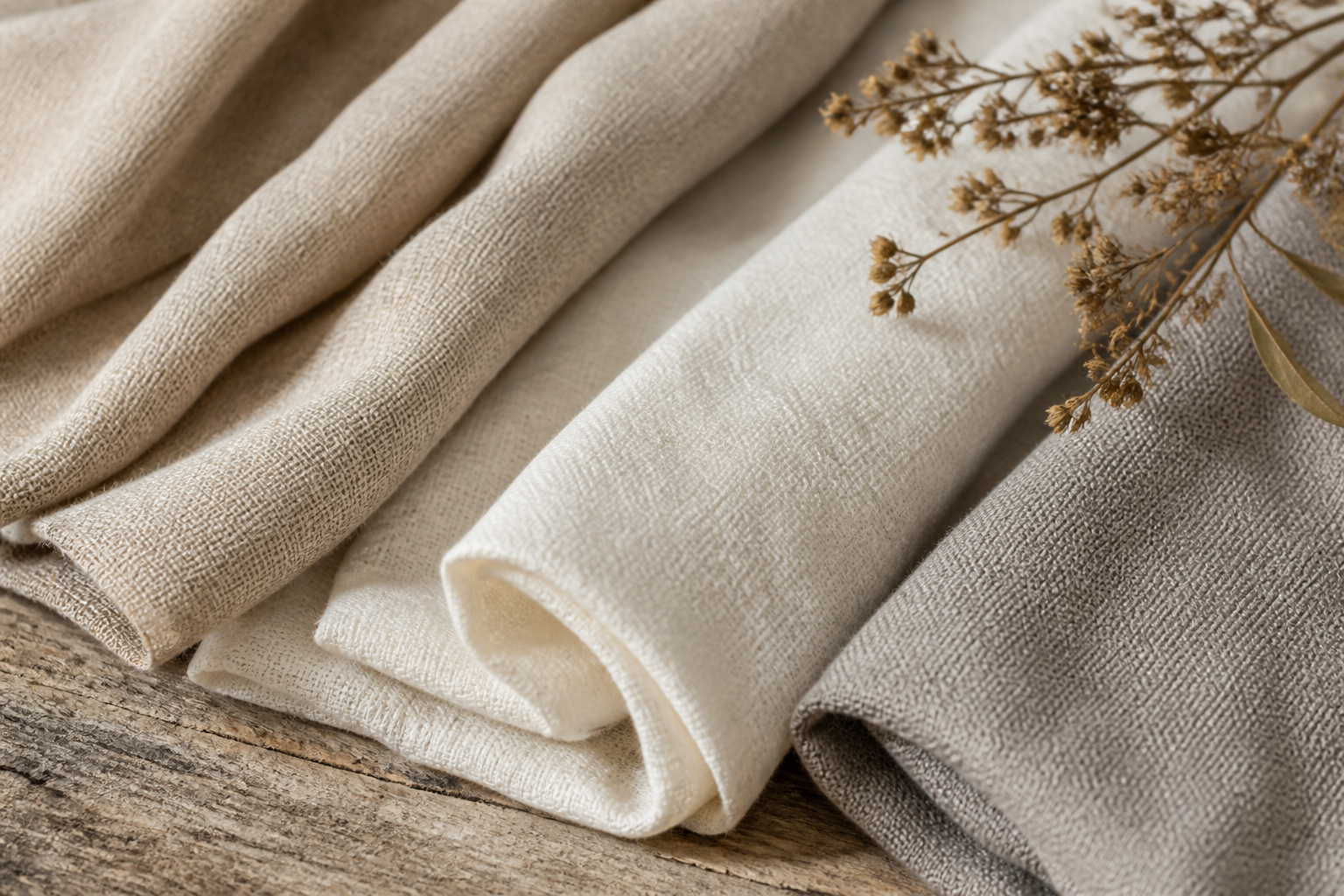
Eco-conscious buying has moved from a differentiator to a baseline expectation. Buyers are asking for:
- Natural fibers: organic cotton, linen, and hemp, with growing interest in undyed or naturally tinted cloths.
- Recycled materials: recycled polyester tablecloths that keep the durability of synthetics with a smaller footprint.
- Transparent sourcing: certifications and traceable supply chains — buyers want to know where the fiber comes from and how it was made.
- Durability as sustainability: products built to last hundreds of washes are themselves a sustainability story for hotels and restaurants.
For manufacturers and suppliers, offering verifiable eco credentials — certifications, recycling programs, and durable construction — is quickly becoming table stakes.
Trend 2: Customization and Personalization
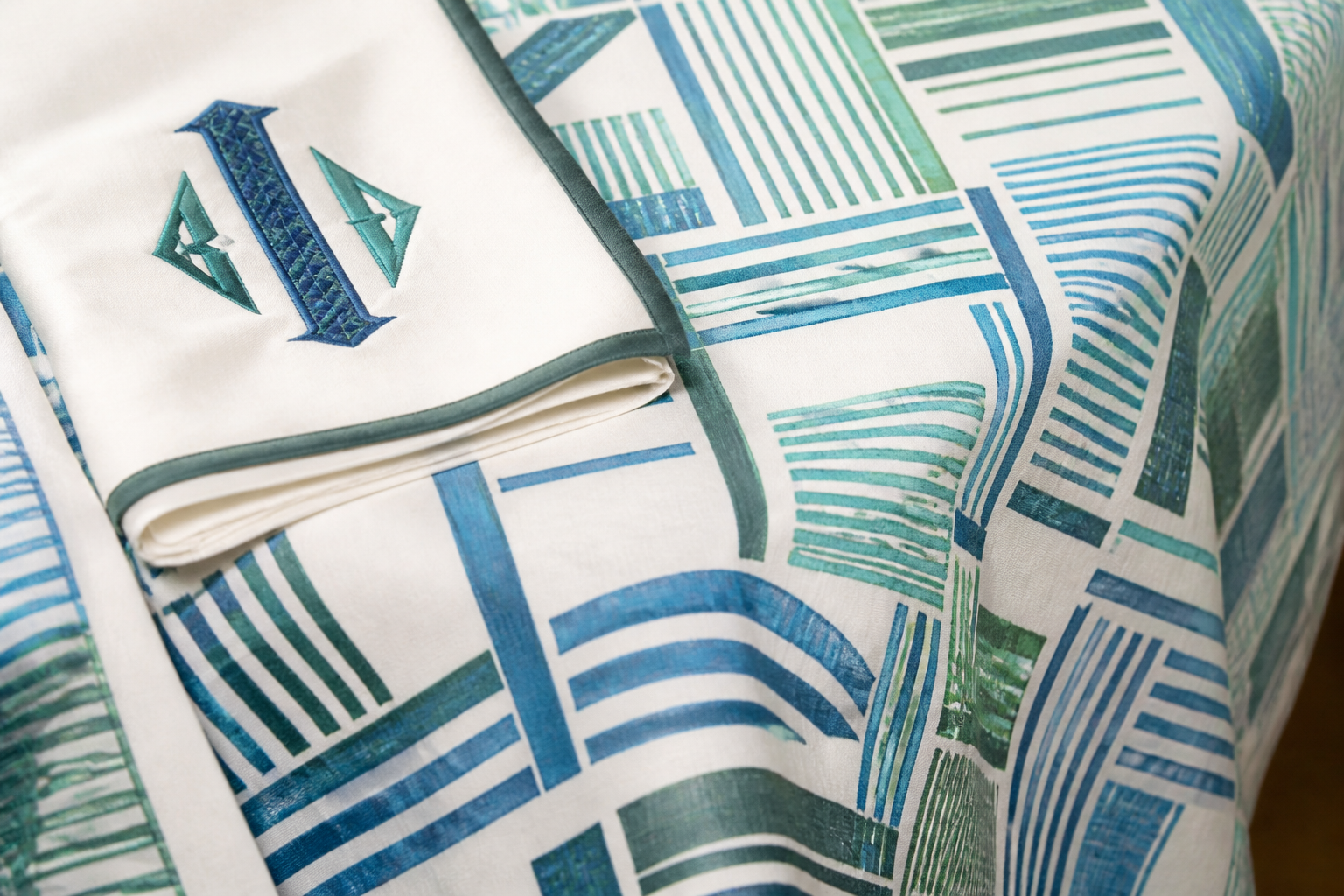
From monogrammed napkins to custom-printed tablecloths, personalization is one of the fastest-growing segments in table linens. Wedding couples want their initials; restaurants want their logo woven or printed onto every table; hotels want their brand colors carried through the dining room.
Advances in digital printing make custom runs faster and more affordable than ever, and low minimum order quantities let even small venues commission their own designs. For B2B buyers, customization is also a margin story: personalized products command higher prices and create loyalty that generic stock cannot.
Trend 3: Easy-Care, Multifunctional Fabrics
Time-poor consumers and cost-conscious venues are driving demand for tablecloths that look good with minimal effort:
- Stain-resistant finishes that repel spills and wipe clean in seconds.
- Waterproof and laminated cloths for outdoor dining and family tables.
- Wrinkle-free and crease-resistant blends that need little or no ironing.
- Reversible designs that give two looks in one cloth — a favorite of budget-conscious buyers.
The message is consistent across the market: buyers want beauty plus convenience, and products that deliver both are winning the shelf space.
Trend 4: Nature-Inspired Colors and Materials
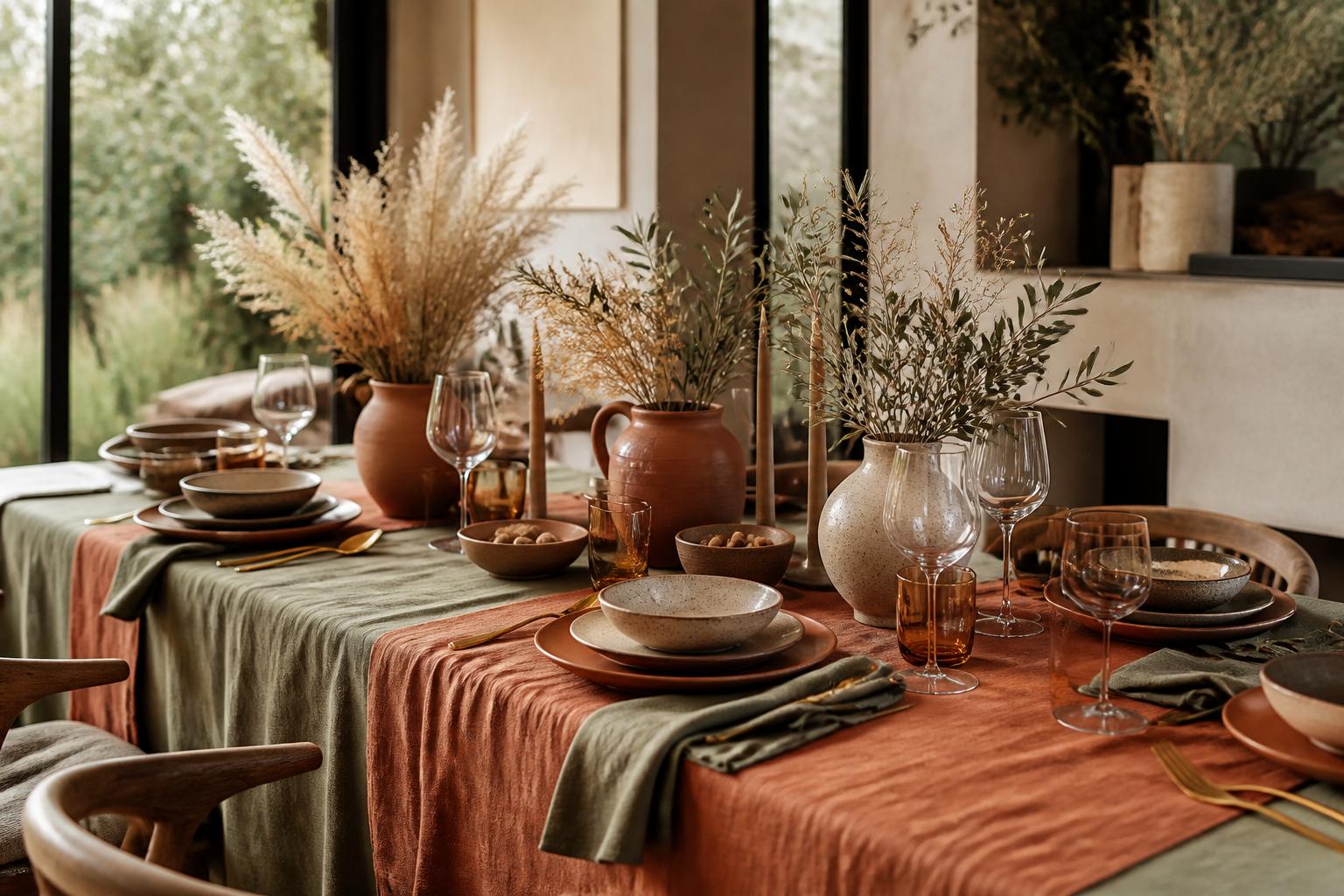
Color trends are moving away from stark whites toward warm, grounded palettes inspired by nature: sage and olive greens, terracotta and clay, warm beige and sand, and muted coastal blues. These tones pair naturally with organic textures — linen weaves, rattan accents, and matte ceramics — creating the layered, lived-in look that dominates current interior design.
For suppliers, this means expanding beyond white and ivory: earthy neutrals and nature-inspired accent colors are where the demand is growing, especially for everyday and seasonal collections.
Trend 5: Premium Textures and Craftsmanship
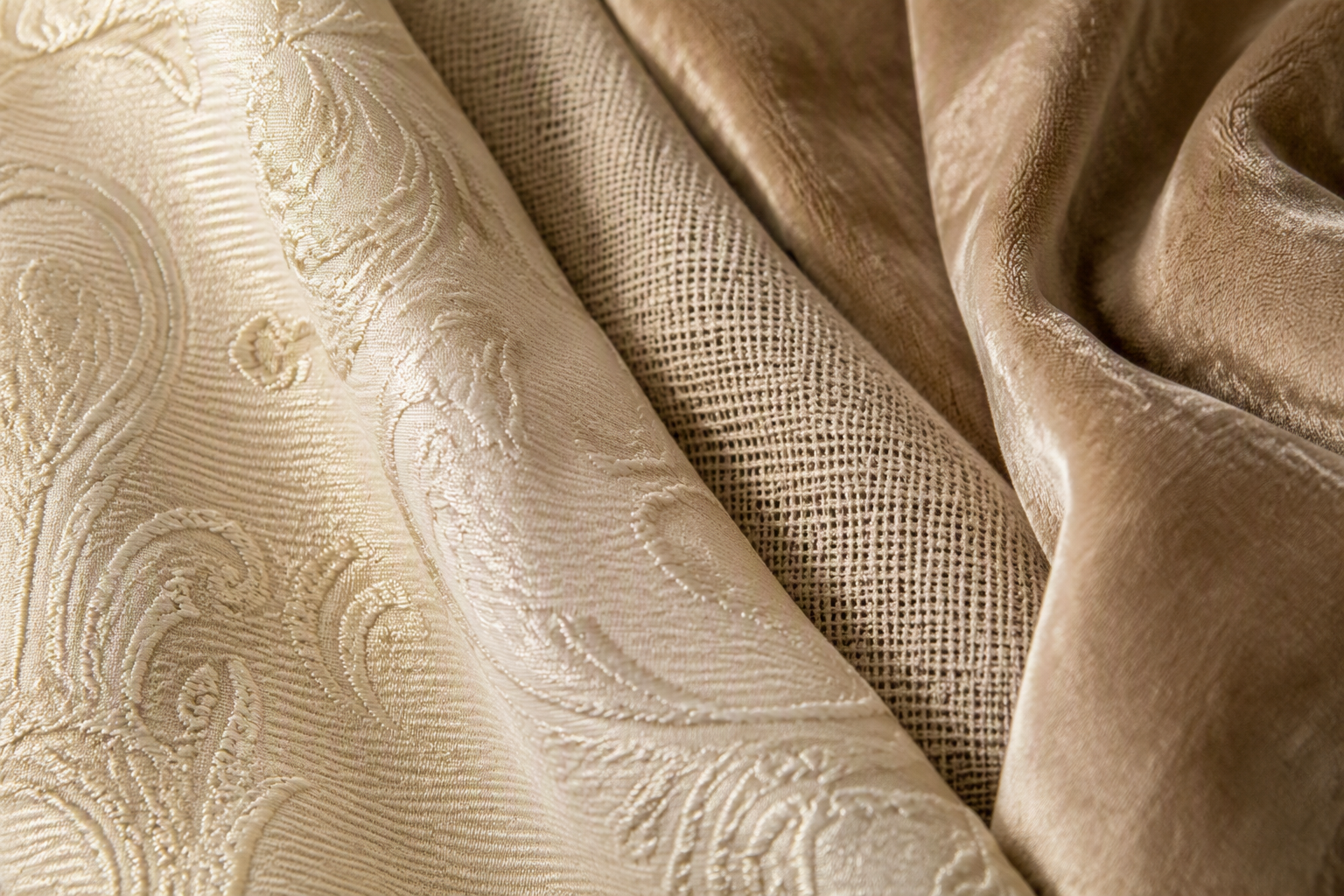
After years of flat, printed-only looks, the market is rediscovering texture. Jacquard-woven patterns, plush velvet, embroidered edges, and slub-textured linens bring depth and a hand-crafted feel that reads as premium — and buyers are willing to pay for it.
The trend is visible across segments: home consumers choosing jacquard tablecloths for special occasions, and hospitality venues using textured linens to elevate the dining experience without renovating the room.
Trend 6: Indoor-Outdoor Versatility
As outdoor dining and al fresco entertaining have grown, so has demand for tablecloths that move seamlessly between inside and out. Weather-resistant fabrics, weighted and wind-proof designs, and UV-stable colors let one cloth serve both the dining room and the patio. For retailers, products that cross the indoor-outdoor line effectively double their selling season.
What These Trends Mean for Buyers
For importers, retailers, and hospitality buyers, a few practical takeaways:
- Balance trend and staple. Lead with easy-care classics and sustainable basics, then layer in on-trend colors and textures.
- Invest in customization capability. Custom printing and monogramming are reliable margin builders — choose suppliers who handle small runs and fast sampling.
- Ask for evidence on sustainability. Certifications, material origins, and wash-durability data matter more to your customers every year.
- Plan for seasonality. Nature-inspired neutrals sell year-round; bold and holiday themes sell in waves — time your buys accordingly.
- Demand consistent quality. Colorfastness, seam strength, and finish quality are the difference between repeat orders and returns.
Final Thoughts
The tablecloth market in 2026 is defined by choice: sustainable or synthetic, plain or personalized, minimalist white or richly textured. The brands and suppliers that win are those that offer flexibility — the ability to customize, to certify, to deliver quality at scale, and to respond quickly to what buyers want next. Table linens have never been more than a surface detail — but in this market, the surface is where the story is told.
Looking to build a table linen collection that matches where the market is going? Contact us to discuss custom tablecloths, sustainable fabrics, and private-label programs for your brand, venue, or store.