Buying tablecloths in bulk comes down to one habit: specifying before you ask for a price. Most disappointing orders — wrong shade, wrong weight, wrong size, late delivery — trace back to information that was never confirmed at the start. This guide walks through the sourcing process the way an experienced buyer runs it, from the first inquiry to the arrival check.
1. What to Prepare Before Requesting a Quote
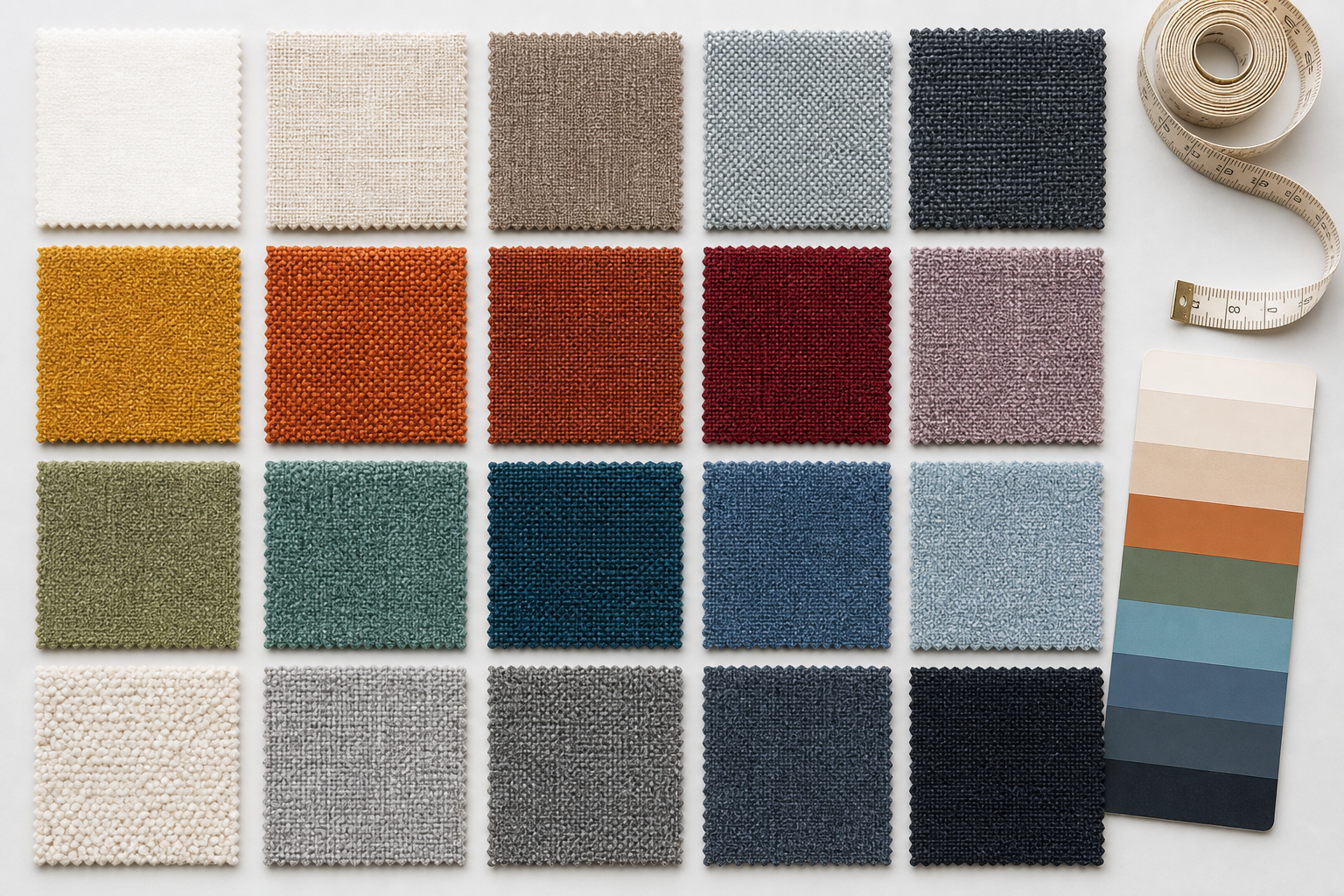
Suppliers can only quote accurately against a defined product. Prepare these details in writing first:
| Item | What to specify | Why it matters |
|---|---|---|
| Product type | Tablecloth, runner, napkin, cover — with style (plain, printed, jacquard, coated) | Determines the production line and process |
| Fabric | Fiber content and weight (gsm or oz) | The single biggest driver of price and durability |
| Size | Finished dimensions, plus table size and drop if made to order | Prevents short or oversized cloths |
| Color / pattern | Color reference (Pantone, lab dip, or physical swatch) and pattern details | Images on screens do not define color |
| Quantity | Units per size and per color, plus any spare requirement | Sets the price tier and production schedule |
| Use case | Hotel, restaurant, retail, event, promotional | Drives the right construction and finishing |
| Finishing | Hem style, mitered corners, embroidery, labels, packaging | Often where hidden cost and quality differences sit |
| Delivery | Destination, required date, packing or carton requirements | Determines freight method and lead time |
2. How MOQs and Price Tiers Work
- MOQ is usually per color, per specification — not per order. Two colors means two minimums, which is why buyers standardize on fewer shades to reach better tiers.
- Price falls in steps, not smoothly. Fabric production, dyeing, and cutting all have setup costs, so moving up a quantity tier can change the price noticeably — ask for the tier breaks and quote at the volume you realistically expect.
- Small orders can be viable via stock colors and standard sizes; custom dyeing is where minimums rise sharply.
- Cheaper per unit is not always cheaper overall. A lower weight or a surface print may save money per piece and cost more per year in replacements.
3. Sampling: The Step That Prevents Rework
- Ask for a fabric swatch first. Weight, hand, and shade can be judged from a swatch before any sampling cost is incurred.
- Then order a pre-production sample in the final construction — actual size, hem finish, and trim.
- Wash and press the sample once. This is where shrinkage, colorfastness, and edge quality reveal themselves.
- Confirm the color standard in writing. A signed lab dip or approved physical standard is what protects you on the production run.
- Keep the approved sample. It becomes the reference for the shipment inspection.
4. Understanding Lead Time
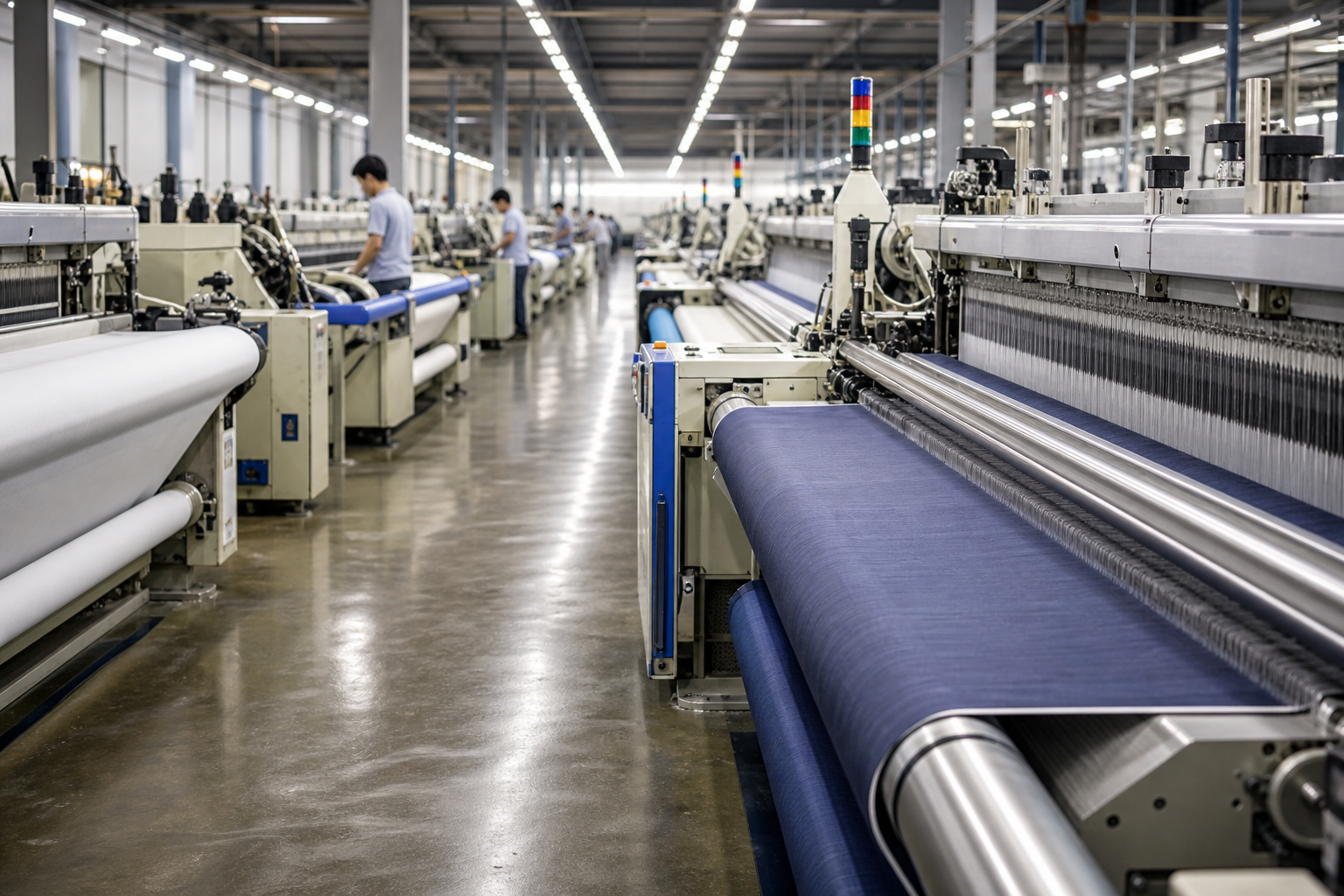
Total lead time is the sum of several distinct stages, and quotes that give a single number without breaking it down are hard to plan against:
- Material preparation: sourcing or weaving the base fabric, and dyeing to the approved color.
- Production: cutting, sewing, and finishing — longer for custom sizes, embroidery, or complex hems.
- Quality check and packing: inspection, folding, and carton packing.
- Transit: freight time by sea or air, plus customs clearance at destination.
Two practical rules: add buffer to any promised date, and place orders well ahead of peak season, when mills are fully booked and both production and freight slow down.
5. Quality Checks Before Shipment
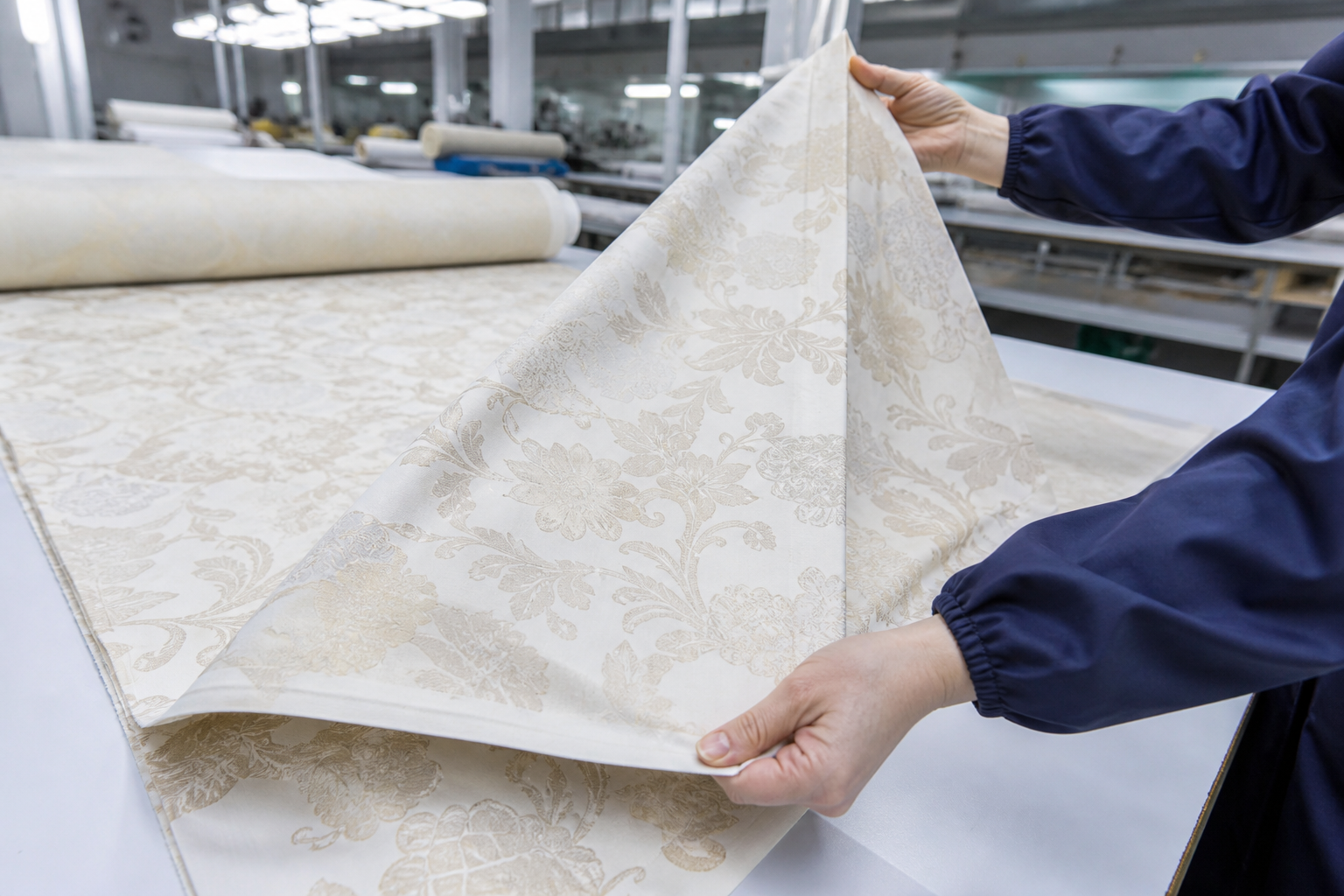
- Measurements: spot-check finished sizes against the confirmed specification, allowing for the stated tolerance.
- Weight and hand: compare against the approved swatch — this catches substitution of a lighter fabric.
- Color consistency: check pieces from different production batches against the standard, in daylight.
- Workmanship: straight hems, secure corners, even stitching, no skipped lines or loose threads.
- Trims and labels: correct branding, care labels, and packaging as specified.
- Packing: carton count, folding consistency, and protection for transit.
6. Five Specification Mistakes Buyers Make
- Asking for “good quality” without defining it. Quality is a specification — weight, fiber, and construction — not an adjective.
- Sending a photo to define a color. Screens and lighting shift color; always work from a physical standard.
- Leaving weight unstated. The same size and color at two different weights are two different products at two very different prices.
- Ignoring shrinkage. Without confirmed pre-treatment, cloths can arrive shorter after the first commercial wash.
- Ordering exactly what you need. Without spares, one damaged cloth forces a reorder at short notice and higher cost.
7. Evaluating a Supplier
- Production control: Do they weave, dye, and finish in-house, or coordinate several subcontractors? Fewer hands usually means more consistent quality and clearer accountability.
- Response quality: A supplier who answers a detailed specification with a detailed, itemized reply is usually a supplier who can execute it.
- Evidence of similar work: Ask what comparable programs they run — hotel, restaurant, retail, or promotional — and request references or past shipment details.
- Documentation: Certifications, test reports, and material declarations relevant to your destination market.
- Consistency over time: A repeat order that matches the first shipment is the real proof of a reliable factory.
8. From Order to Arrival

A practical sequence for a bulk tablecloth program:
- Define the full specification in writing.
- Request quotes against that specification and compare like for like.
- Review swatches, then order a pre-production sample.
- Wash-test the sample; approve the color standard in writing.
- Confirm order details: quantity, price tiers, lead time, packing, and delivery terms.
- Confirm inspection arrangements before shipment and request inspection photos or reports.
- Verify shipping marks and carton details ahead of dispatch.
- Check the goods on arrival against the approved sample and keep records for reorders.
9. Wholesale Tablecloth FAQs
What is a typical MOQ for tablecloths?
MOQs vary widely by fabric, whether the color is stock or custom-dyed, and the supplier’s production setup. Stock colors and standard sizes generally carry much lower minimums than custom dyeing or custom sizes — always ask for the specific tier structure rather than assuming a general figure.
Should I pay for samples?
Most suppliers charge for pre-production samples and may credit the cost against a subsequent bulk order. Treat sample cost as part of the sourcing budget rather than an obstacle — it is far cheaper than a production run that fails inspection.
How far in advance should I order?
Plan around the total of material preparation, production, inspection, packing, and transit, then add buffer. For seasonal peaks, order earlier than the arithmetic suggests, because mills and freight both tighten at the same time.
How do I compare quotes from different suppliers?
Compare against an identical specification. If one quote is significantly lower, identify what changed — fabric weight, fiber content, finishing, or packing — rather than assuming a better price on the same product.
Final Thoughts
Wholesale sourcing is mostly an exercise in precision. Define the product completely, sample before committing, confirm the color standard, plan lead time honestly, and inspect against the approved sample. Do those five things and the rest of the process — pricing, logistics, reorders — becomes straightforward, because everyone is working from the same agreed reference.
We manufacture tablecloths, runners, napkins, and table covers in our own facility — weaving, dyeing, cutting, and finishing under one roof — with in-house sampling, color standards, and inspection support. Send us your specification and we will quote against it, with swatches available on request.