Linen is the oldest luxury textile in the world — and still one of the most misunderstood. Buyers either love it for the way it softens and relaxes over time, or avoid it because it wrinkles. Both reactions come from the same fiber property, and understanding that property is what turns linen from a risky purchase into a confident one. This guide covers what linen tablecloths are made of, how they differ from blends and imitation linen, and how to specify them for hospitality and retail.
1. What Makes Linen Different
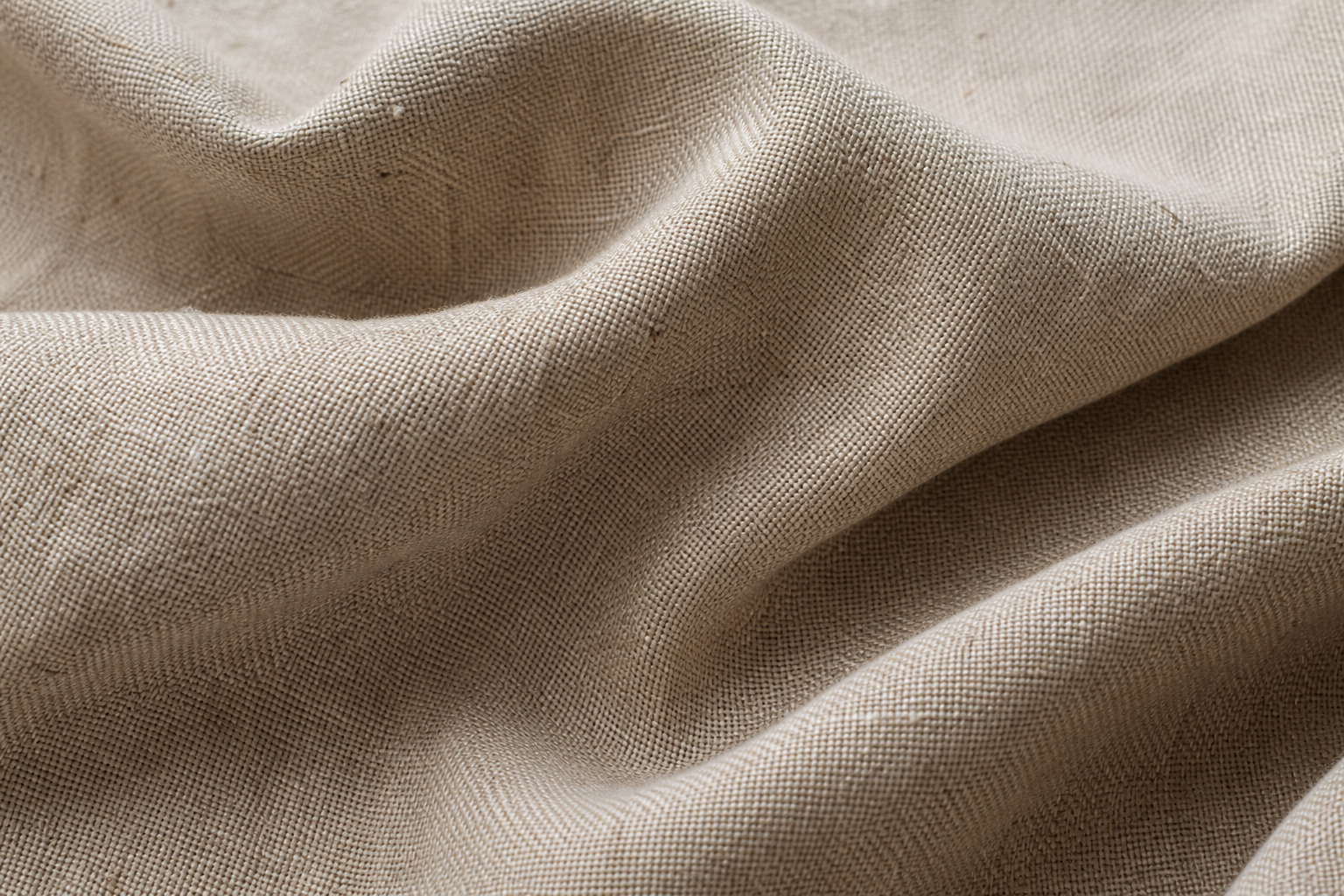
Linen is woven from the fibers of the flax plant. Those fibers are naturally long, strong, and slightly irregular — and that irregularity is exactly what gives linen its character.
- Strength: Flax fibers are among the strongest natural fibers used in textiles, and linen actually becomes stronger when wet — which is why it handles laundering well.
- Breathability: Linen moves air and absorbs moisture quickly, so it feels cool in summer and never clingy.
- Natural texture: The fine “slubs” and subtle variations in the yarn create a living surface that reads as premium on a table.
- Aging well: Unlike most fabrics, linen improves with use — each wash makes it softer and more supple.
2. Linen, Linen Blends, and Linen Look
“Linen” is used loosely in the market, so specify carefully. Three products commonly sit behind that word:
- 100% linen: Pure flax. Maximum texture, breathability, and character — with the natural creasing that comes with it.
- Linen blends: Usually linen-cotton, which softens the hand and reduces cost, or linen-polyester, which adds wrinkle resistance and durability for hospitality use. Blends trade some authenticity for practical performance.
- Linen look (imitation): A cotton or synthetic fabric woven or finished to imitate linen’s texture. It can look convincing from a distance, but it will not soften and improve the way real flax does — and it usually lacks the breathability.
For hospitality programs, many buyers choose a linen-cotton or linen-poly blend for daily service and reserve 100% linen for signature spaces and premium retail.
3. Weight and Weave
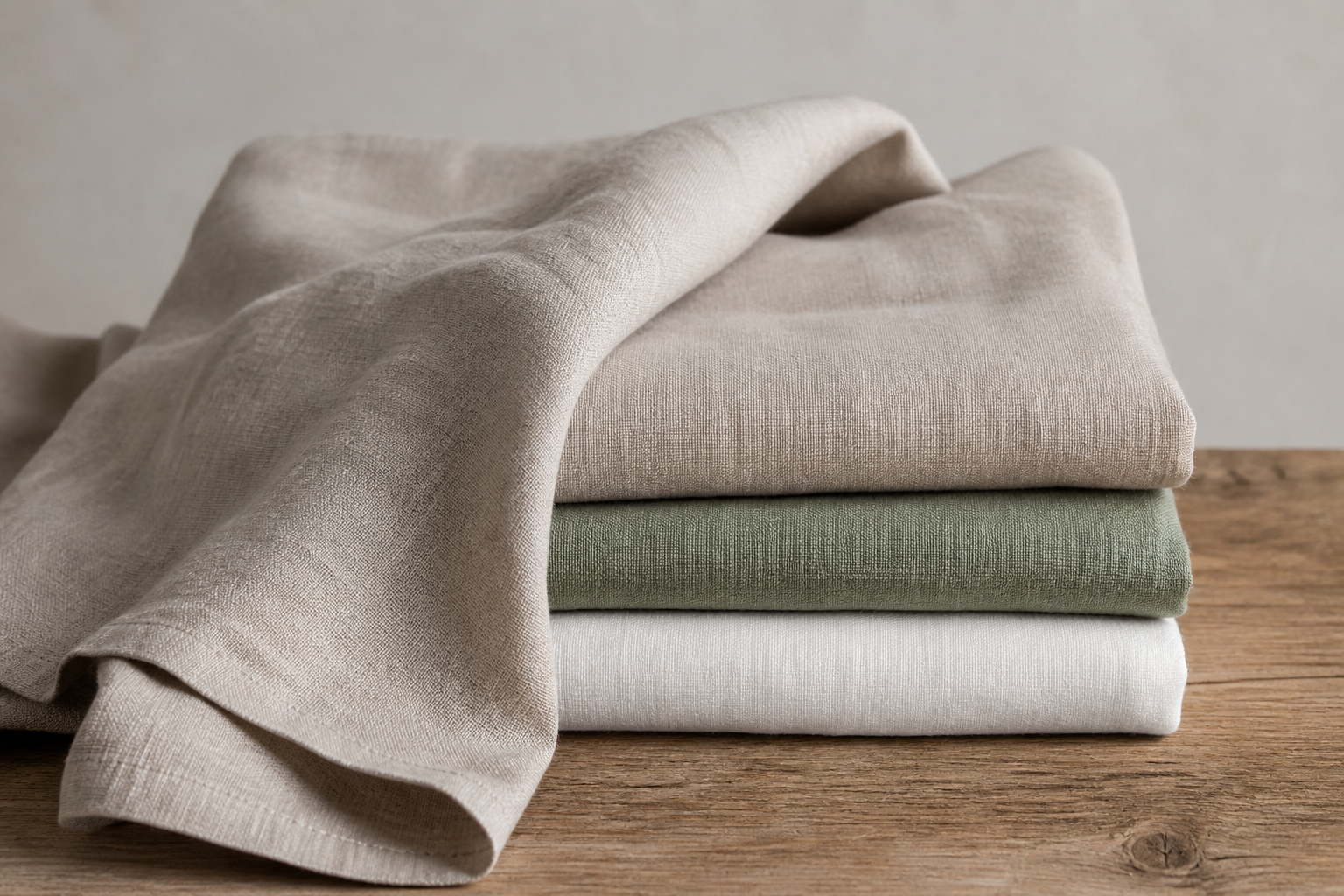
- Lightweight linen: Fine, airy, and very relaxed — well suited to warm climates, outdoor dining, and layered tablescapes where a second cloth or runner sits on top.
- Midweight linen: The sweet spot for most table use. It drapes properly, holds a fold, and looks substantial without feeling heavy.
- Heavyweight linen: A dense, substantial cloth with real presence — the choice for formal dining rooms, banquets, and premium retail where the fabric should look expensive from across the room.
Weave also matters: a plain weave gives the cleanest, most classic look, while a herringbone or twill weave adds a subtle directional texture that hides marks well in busy service.
4. The Wrinkle Question
Linen creases. This is not a defect — it is the geometry of the fiber, and in contemporary styling it is a feature. The relaxed, slightly rumpled look is precisely what gives a linen table its ease and warmth; in upscale casual dining it reads as intentional and relaxed rather than untidy.
How to manage it rather than fight it:
- Choose the right weight. Heavier linens crease less dramatically and recover better.
- Embrace a soft press. Press or steam linen while slightly damp, and accept a soft, lived-in finish instead of a rigid one.
- Use blends for high-turnover service. A linen-poly blend keeps the look with far less creasing in busy operations.
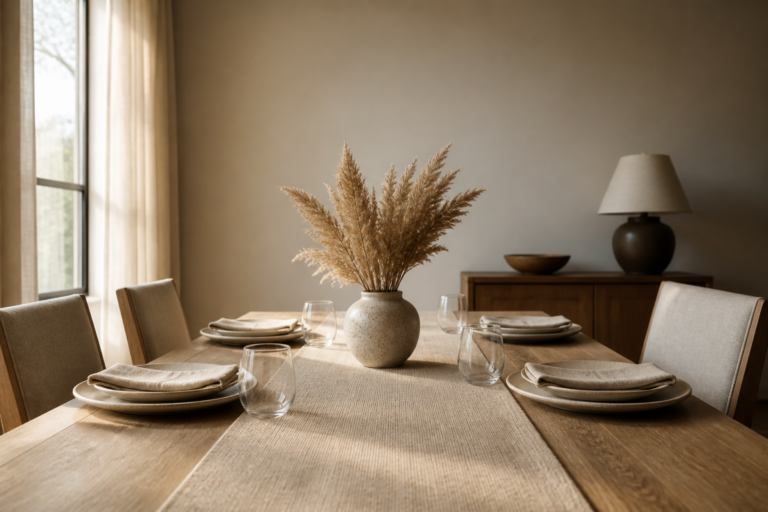
- Style it deliberately. Pair linen with simple ceramics, natural wood, and neutral tones — the aesthetic suits the fabric.
5. Shrinkage and Pre-Washing
Linen has natural shrinkage, which is why a well-made linen tablecloth is usually pre-shrunk or washed before cutting. When specifying linen, ask:
- Whether the fabric is pre-shrunk, and by what method
- The expected residual shrinkage after repeated laundering
- Whether finished sizes are cut with shrinkage allowance built in
Buying from a supplier who controls pre-treatment is what stops a batch of linen tablecloths from arriving a size smaller after the first commercial wash.
6. Where Linen Tablecloths Work Best
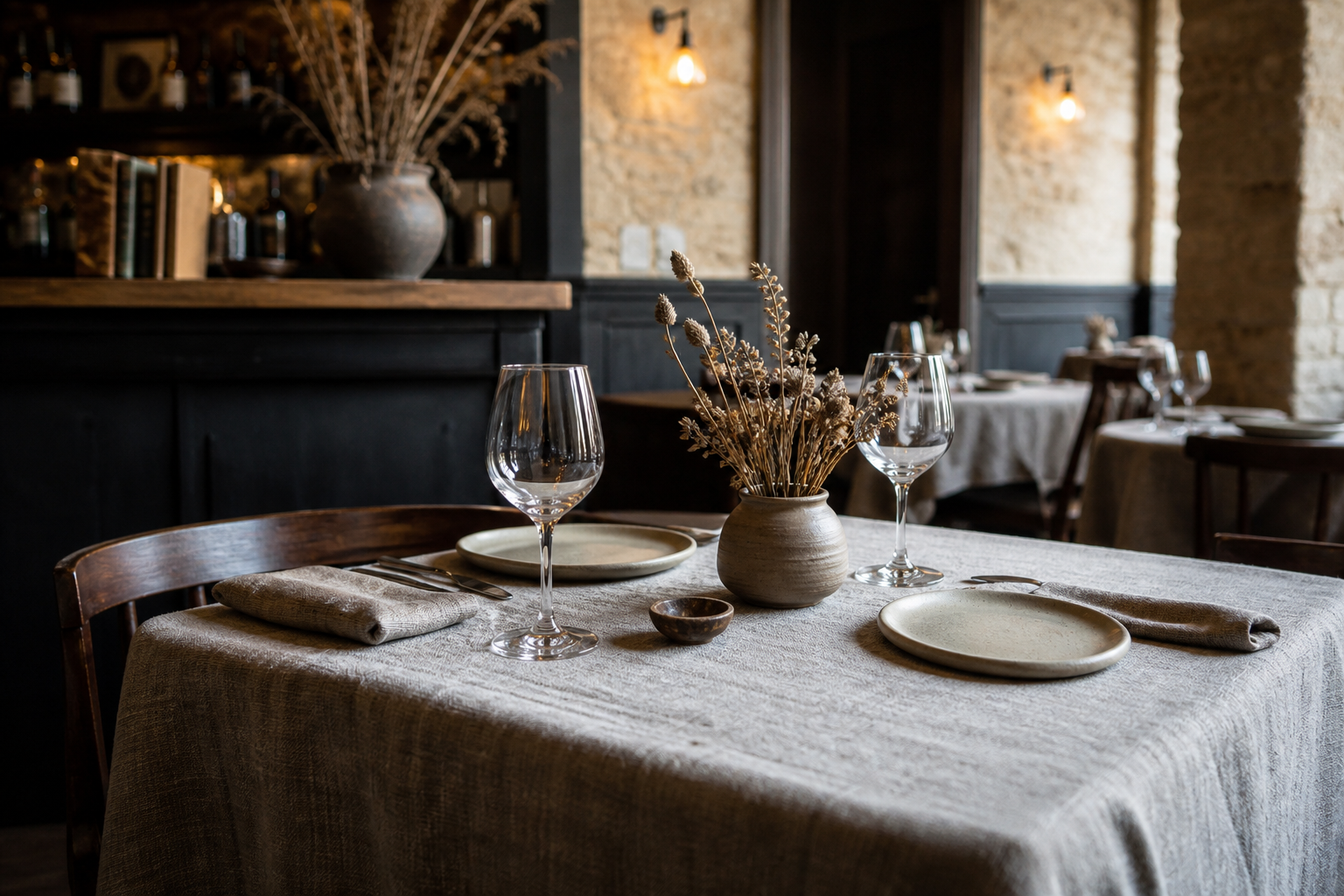
- Farm-to-table and bistro dining: The natural texture matches the ethos of seasonal, unpretentious food.
- Boutique hotels and guesthouses: Linen elevates breakfast rooms and terraces without looking formal.
- Weddings and garden events: Earthy, muted tones photograph beautifully and feel less rigid than satin or damask.
- Retail and home collections: Linen sells on feel — the fabric’s hand is its own best argument.
- Outdoor and terrace dining: Breathable and cool, ideal for warm climates and long lunches.
7. Buying Linen: What to Specify
- Fiber content precisely. 100% flax, or a stated blend ratio — never an unqualified “linen”.
- Weight in gsm or ounces, tied to the intended use.
- Color standard. Request a physical swatch or lab dip, since natural fibers show tone variations between dye lots.
- Pre-shrinking and finishing. Confirm treatment and residual shrinkage.
- Construction details. Hem width and style, mitered corners, and whether the edges are reinforced for commercial laundering.
- A wash test on the sample. Launder and press the pre-production sample once before committing to volume.
8. Caring for Linen Tablecloths
- Wash warm, not hot. Gentle cycles protect the fiber and limit shrinkage.
- Avoid chlorine bleach on natural flax — use oxygen-based bleaching when whitening is required.
- Skip the tumble-dry marathon. Remove slightly damp and finish with air drying or a warm press.
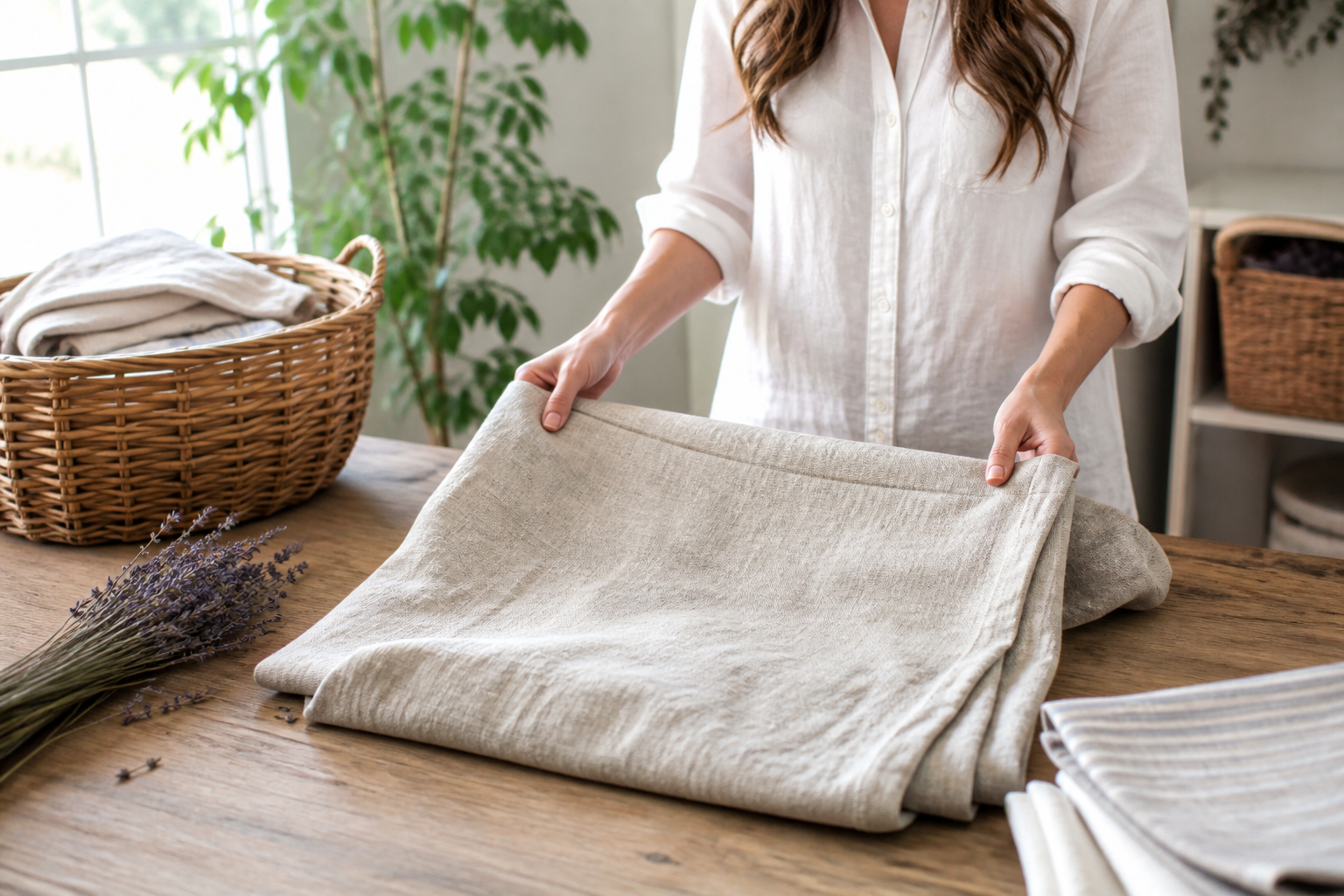
- Press while damp for the best finish; steam is gentler than high heat.
- Store folded and dry in a breathable space, away from damp and direct sun.
- Rotate stock so all cloths age at a similar rate.
9. Linen Tablecloth FAQs
Is linen suitable for daily restaurant use?
Yes, particularly in a linen-cotton or linen-poly blend. Pure linen suits signature spaces and lower-turnover service; blends handle daily commercial laundering with less creasing.
Will linen tablecloths shrink after washing?
Raw linen shrinks, but pre-shrunk linen from a controlled production process shrinks only marginally afterwards. Always confirm the pre-treatment method and expected residual shrinkage before ordering volume.
How do I tell real linen from linen look?
Real flax has a slightly irregular yarn with visible slubs, feels cool to the touch, and softens noticeably after washing. A finished “linen look” fabric usually feels smoother and more uniform, and stays that way.
Can linen tablecloths be customized?
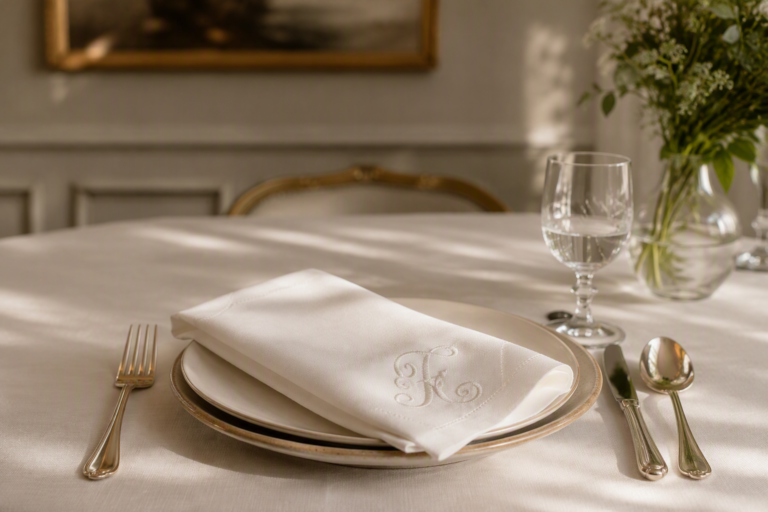
Yes — linen takes dye well in muted, natural palettes, and can be finished with custom sizes, hem styles, mitered corners, and embroidery for branding.
Final Thoughts
Linen is not the easiest tablecloth to specify, but it may be the most rewarding: it is breathable, durable, and it actually improves with use. The trick is to decide deliberately — choosing the fiber content, weight, and finishing that match how the table will actually be used, and accepting the natural texture that makes linen worth buying in the first place.
We produce linen and linen-blend tablecloths, napkins, and runners in our own facility — with controlled pre-shrinking, custom sizes and hem finishing, dye-lot color standards, and embroidery. Contact us for swatches, MOQs, and wholesale pricing.