Every venue has two napkin problems, and both come from the same cause: nobody calculated the number. Too few, and the service runs short at the worst moment — the busy Saturday when the spare stack is empty. Too many, and cash sits in a linen closet for months, waiting for a reorder to catch up. The napkin par is the number that solves both, and it is far simpler to work out than most operators assume.
1. Why Par Planning Matters
- Napkins turn over faster than any other linen. A tablecloth may be washed a few times a day at most; a napkin is touched, used, and washed at every single seat. That turnover is what makes the quantity question so important.
- A stockout shows up at the peak, not the trough. If the count is wrong, you will find out on the busiest night, when a guest is seated without a napkin or staff are reaching into a half-empty box.
- Over-buying hides the same error. Excess stock ties up cash, fills storage, and delays discovery of real problems — shrinkage, damage, or a style that the venue never actually wanted.
- Reorders are easier when the base number is known. A documented par makes every reorder a subtraction, not a guess, and makes dye-lot matching with the supplier much more reliable.
2. The Variables That Set the Number
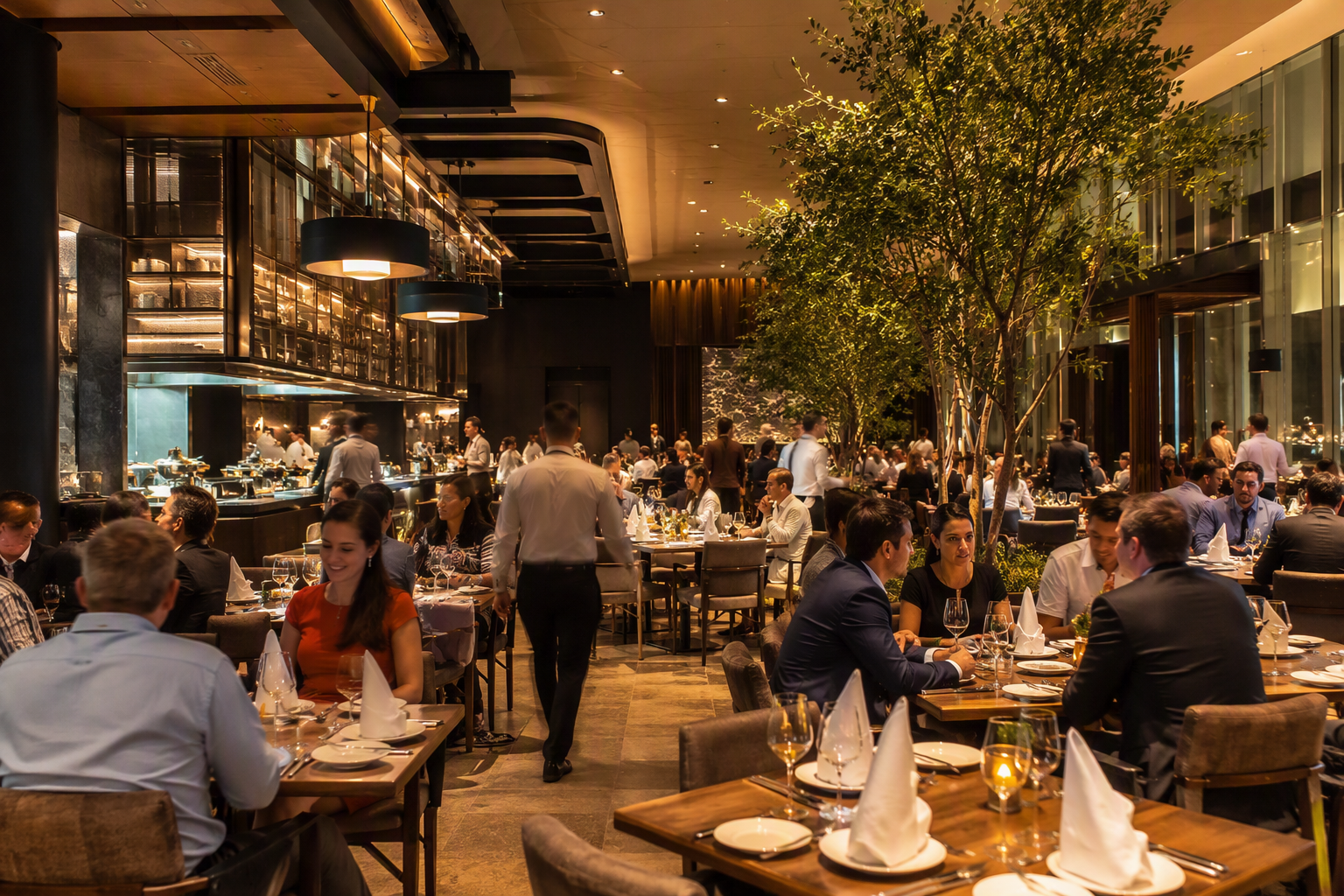
- Seatings per day (turnover). How many covers your venue serves across all services — one quick lunch service and one long dinner, or three seatings with fast rotation, change the number dramatically.
- Service type. Formal service with multiple courses uses more napkins per cover than a casual counter service; banquets and buffets sit somewhere in between.
- Laundry turnaround. How fast your laundry cycle returns clean napkins — daily on-site, or a 48–72 hour commercial run — determines how many must be in circulation at once.
- Style and colour rotation. If you run several napkin styles or colours, each one needs its own par — the total is the sum of the parts, not one shared pool.
- Seasonal peaks. Holiday weeks and event seasons can push usage well above the average; the par needs headroom for the realistic peak, not the calm week.
3. The Base Formula
The working formula is:
Napkin par = (napkins per seating) × (seatings per day) × (days in the laundry cycle) × (safety factor)
In practice, most food service venues land in the region of 4 to 6 napkins per set place as the total stock — that is the number of times one setting’s napkin is “in existence” across clean stock, in-use, and in-laundry at any moment. High-turnover casual service tends toward the higher end; low-turnover formal service can run at the lower end.
Example for a venue: 30 tables set for 4 (120 places), with an average of 1.5 seatings per place per day and a 2-day laundry cycle, a working stock sits around 120 × 1.5 × 2 ≈ 360 napkins, plus a spare allowance for damage and loss — which most venues add as roughly 10–20% on top. Treat these as planning ranges, then adjust after the first busy month of real counts.
4. Par by Setting
| Setting | Typical stock per place | Key driver |
|---|---|---|
| Casual restaurant (high turnover) | Approx. 5–6 | Fast seatings, short cycle time |
| Formal / fine dining restaurant | Approx. 4–5 | Fewer seatings per place, longer laundry cycle |
| Café / bakery | Approx. 4–5 | Smaller napkins, lighter usage per cover |
| Hotel guest rooms | Approx. 2–3 per room | Turnover tied to housekeeping cycle |
| Hotel dining and banqueting | Approx. 4–6 per place | Event spikes on top of daily service |
| Event / rental use | Varies by event size | Calculated per event, plus a standing spare pool |
These are planning starting points, not specifications — your venue’s real usage will adjust them, and that adjustment is the point of tracking the numbers after the first month.
5. Rotation and Spares
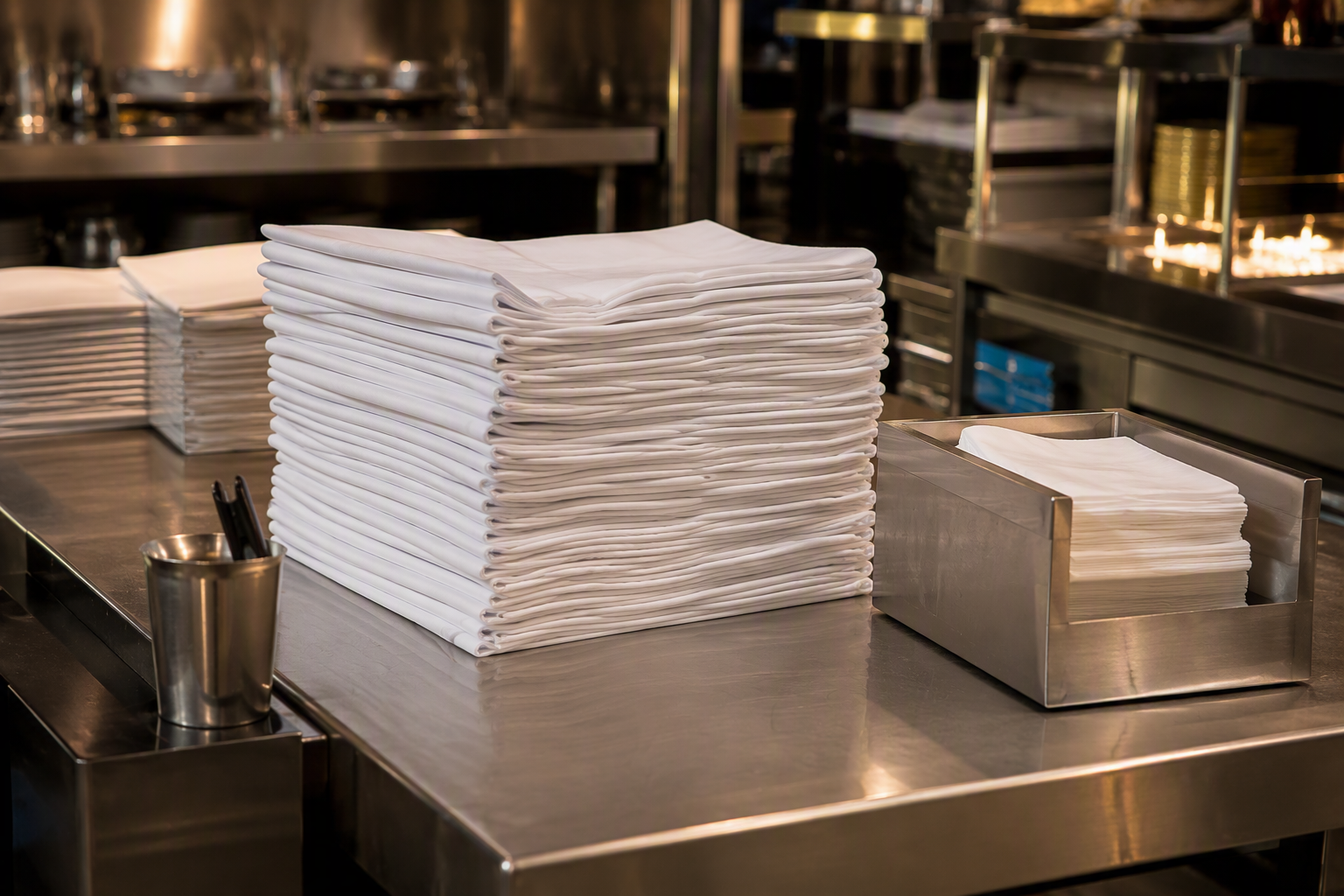
- Separate the service stock from the spare stock. The service stock keeps the tables dressed every day; the spare stock covers damage, loss, and the day the laundry is late. Mixing them means you cannot tell when the program is actually low.
- Rotate the full stock evenly. If only half the napkins are ever used, that half wears out while the rest sits new — a common cause of a set looking uneven after a year.
- Keep a visible pull-out for worn pieces. Damaged napkins should leave the service stock the day they are spotted, into a repair-or-retire box, not back into the stack.
- Count the spares at the same time as the service stock, monthly at most — a spare box that empties silently is how the next stockout happens.
6. Planning Reorders
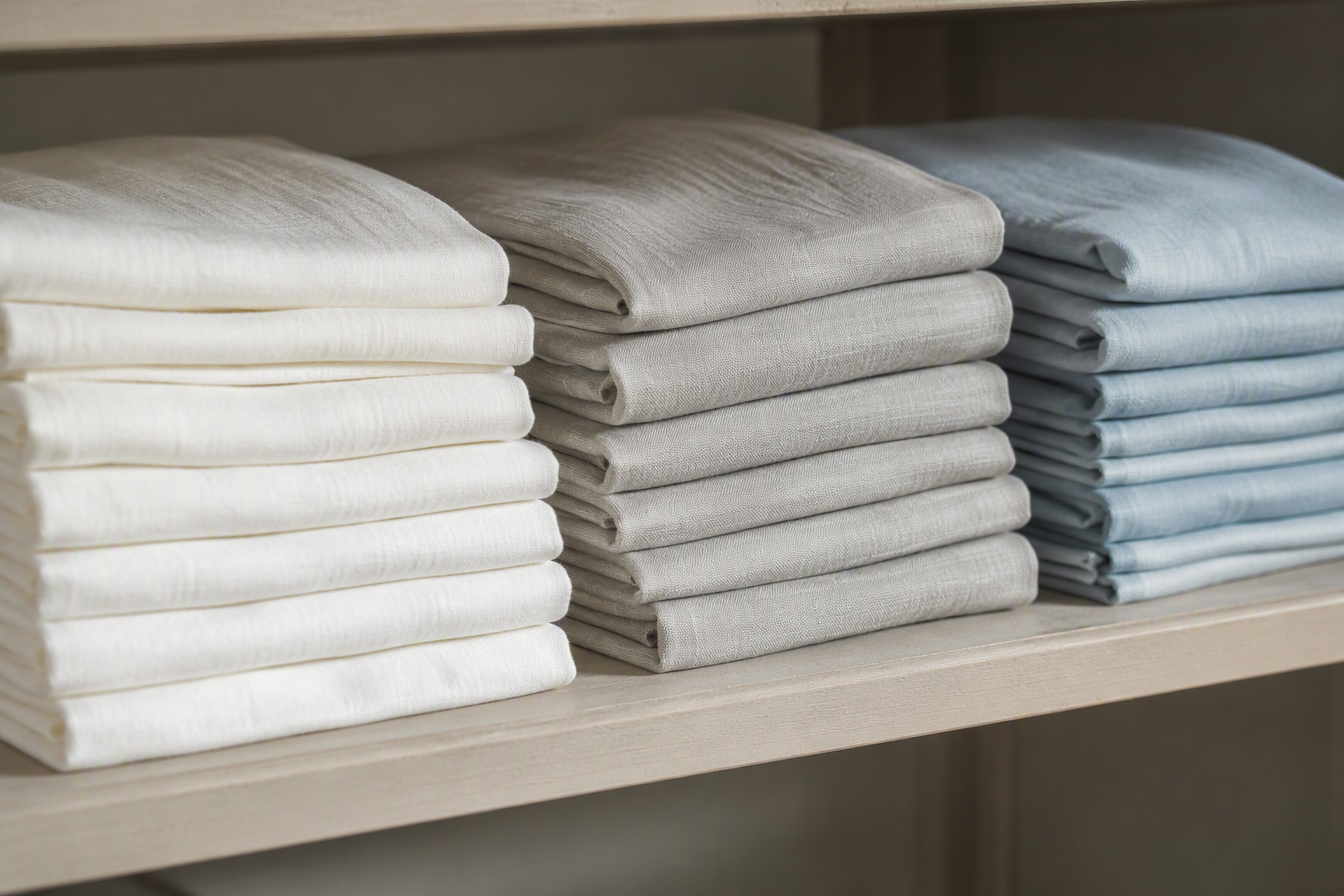
- Reorder to par, not to feeling. When the total (service plus spares) drops to a set level — often the par minus one reorder cycle’s usage — place the order. A written trigger beats a judgment call every time.
- Match dye lots on reorders. Coloured napkins especially show variation between production runs; ask the supplier to produce reorders from a matched dye lot and keep the lot code with the stock record.
- Build in seasonal headroom before peaks. Holiday and event seasons demand buffer stock that is ordered weeks ahead of the season, not in the middle of it — production and freight both tighten at the same time.
- Consider split deliveries for large programs. A new venue can order the full program in two or three tranches — enough for launch, with the balance arriving as usage patterns confirm the par.
7. Banquets and Event Spikes
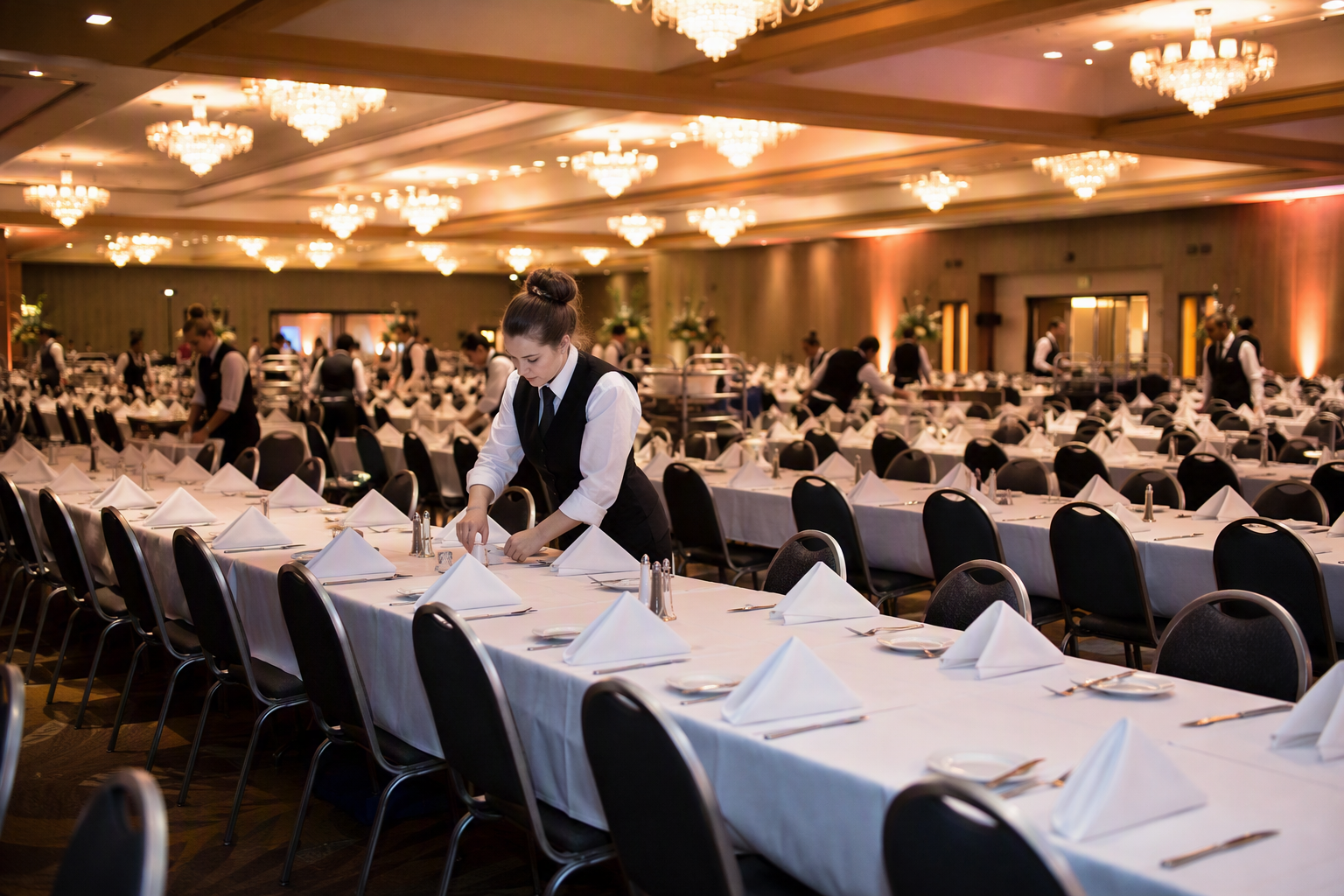
- Events are calculated separately from the daily par. A single banquet of 200 covers is its own requirement, on top of whatever the venue is running that day.
- Use an event buffer. Venues that take events typically hold a standing buffer above the daily par — enough for one or two mid-size events without disrupting regular service.
- Standardize the event napkin. Running events on the same fabric and size as the daily program keeps the total stock manageable; a separate event style doubles the quantity you must track.
- Account for the event laundry window. Large events send the whole stack to laundry at once — confirm the laundry capacity (yours or your supplier’s) can turn it around before the next event.
8. What to Tell Your Supplier
- Your target par and reorder trigger, so the supplier can advise on order sizes and split deliveries that fit your cycle.
- Which styles are daily and which are event — different quantities, different priorities, sometimes different timing.
- Dye lot requirements for coloured and branded napkins, including your lot codes from the original order.
- Seasonal peaks and lead time needs — when your demand jumps, so the order is placed far enough ahead to arrive in time.
- Packaging for rotation — counting units per carton helps staff track stock accurately at every delivery.
9. Napkin Par FAQs
How many napkins do I need per table?
Start from the place count, not the table count — one napkin per place, with the total stock at roughly 4–6 times that number across clean, in-use, and in-laundry. Adjust after the first busy month of real counts.
Is it better to buy one large quantity or several smaller ones?
For a new program, a large first order from a single production run is the best colour match; for reorders, matching the dye lot matters more than the quantity. Split deliveries are a reasonable option when cash flow or storage is the constraint.
What if I offer more than one napkin colour?
Plan a par for each colour separately — a shared pool always ends up running out of one colour while the other sits unused. Keep the number of colours small, and make sure each one’s par supports its real share of the service.
How do I know if my current stock is right?
Count it on a calm day, then track the lowest point over a busy week. If the stack regularly empties before the reorder arrives, the par is low; if it barely moves, the par is high. The count tells you which, and by how much.
Final Thoughts
The napkin par is not a guess — it is a formula with four numbers in it: seatings, turnover, laundry cycle, and safety. Work it out once in writing, separate the service stock from the spares, and let every reorder be a subtraction back to the same number. Do that, and the napkins stop being the item you run out of on Saturdays — and the stock stops being the money you forgot you had.
We supply cloth napkins in full programs and reorders — with dye-lot matching, per-carton counts, split deliveries, and event buffer sizing on request. Contact us for par guidance, swatches, MOQs, and wholesale pricing.