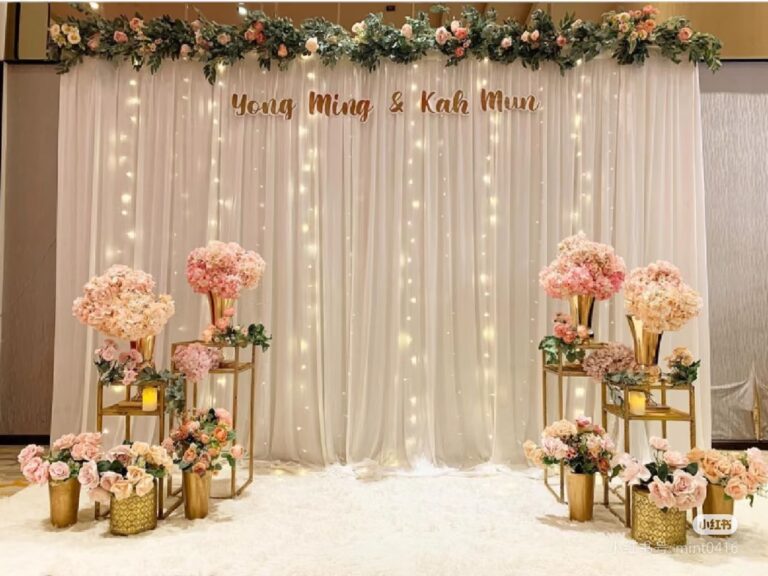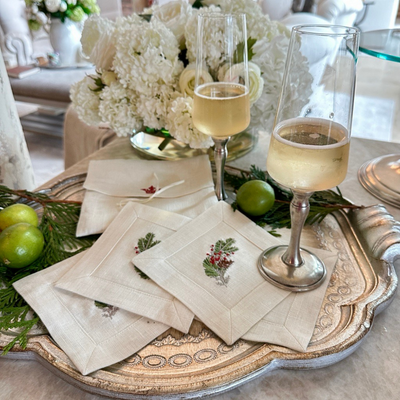
Ask a room what makes the table read as formal and the answer is not the cloth, it is the light on the cloth. The satin tablecloth is the piece that carries that light — the smooth face that catches the room and rolls it across the drape, and the one the wedding table and the banquet room are built around. The satin is a weave as much as a fabric, and that is what makes it different from everything else in the program: the look is not printed, not dyed and not applied, it is woven into the cloth, and it will hold for the life of the fiber. But the satin is also the cloth that is most easily specified wrong, because the sheen that reads as luxury in the sample is the same sheen that shows every snag, every fold line and every lot difference on the table. This guide is about specifying satin the way the program needs it — the weave, the fibre, the sheen, the weight and the care — so the satin cloth holds its light and its line for the length of the program it is built for.
1. Why Satin Is Different on the Table
- The sheen is woven, not applied. The light on the satin comes from the way the yarn is laid in the weave, the long float that turns the light and rolls it across the face of the cloth. The sheen is not a coating that wears off, it is the structure of the cloth, and it holds for the life of the fiber, the way no print or finish can.
- The satin is a cloth with a face and a back. The face carries the sheen, and the back is the duller side of the same cloth, and the tablecloth is always set face up. The face is what the program is buying, and it is what the sample is checked for, and the cloth that arrives face down in the stack is the one that has to be turned before it goes on the table.
- The drape is liquid, and the drape is the look. The satin falls in smooth, clean folds that read as poured, and the drape is the second thing the eye reads after the sheen. The cloth that drapes is the cloth that reads as formal, and the weight and the weave are the two figures behind it.
- It is the cloth the event is photographed on. The sheen of the satin is what the photograph catches, and the event table that is judged on the camera is the one that is dressed in the satin. The cloth that holds the light in the photo is the cloth the program is buying.
2. The Satin Weave and the Face It Shows
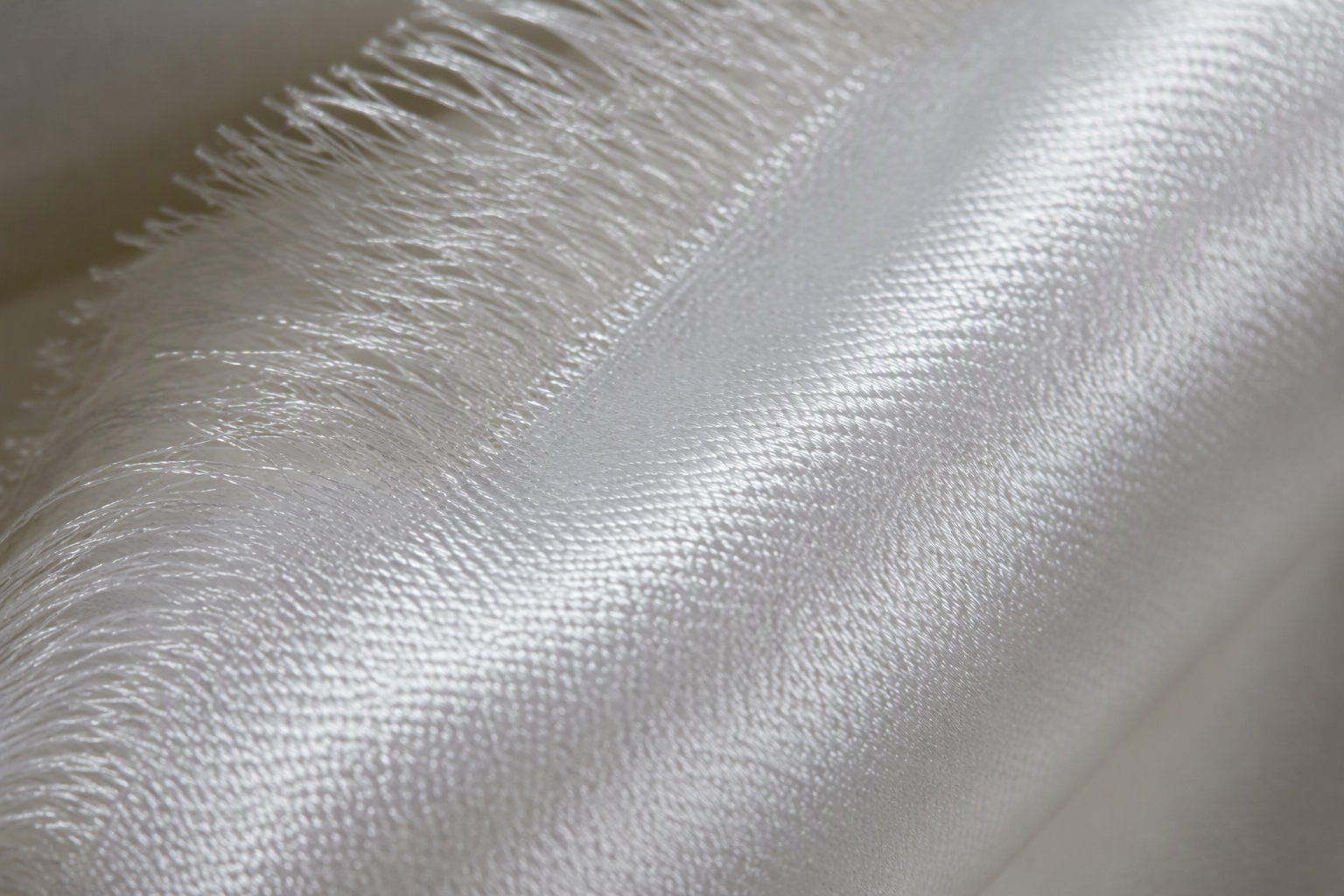
- The float is the sheen. The satin weave is the structure where the yarn floats over the face instead of crossing it, and the longer the float lies on the surface, the more light it turns and the stronger the sheen reads. The float is what makes the satin a satin, and it is what the sample is checked for.
- The face and the back are the two sides of the decision. The face carries the full sheen, and the back is the duller side with the short floats, and the cloth is specified to the face it will show. The back matters in the drop, where the underside of the tablecloth is seen, and the face matters on the table, where the top is read.
- The warp and the weft set the hand. The satin that floats the warp reads softer and drapes fuller, and the satin that floats the weft reads crisper and holds the line tighter, and the two are the hands the program chooses between. The hand is confirmed on the sample, laid flat, in the room’s light.
- The float length is the balance. The longer the float, the stronger the sheen, and the more the yarn sits on the surface where it can be caught. The float length is where the sheen and the snag-resistance are balanced, and it is the figure the spec is set to, as the program is set to the table it will run.
3. The Fibres Behind the Sheen
- Polyester is the workhorse of the satin table. The polyester satin is the default of the commercial program — the sheen that holds the wash, the drape that keeps the line and the fiber that takes the event volume. It is the satin the banquet and the wedding are run on, and it is the one the spec means when it says satin and nothing else.
- Nylon carries the step-up hand. The nylon satin is the softer, the lighter cloth, the one that drapes the fullest and reads the most refined, and it is the fiber of the program that wants the satin look with a step of the hand. It is the step up, and it is specified to the program that runs it.
- Viscose brings the drape of the natural look. The viscose satin is the fiber that drapes like the natural cloth at the work of the synthetic, and it is the one the program that wants the pour of the satin with a step of the natural hand reaches for. It is the middle fiber, and it is the one the drape is checked on.
- The fibre is the first line of the spec. The same satin weave in three fibres is three cloths, and the fiber is what the program is actually buying — the sheen, the hand and the life of the cloth. It is stated in writing, on the sample and on the order, the way the fibre is stated on every cloth in the program.
4. The Sheen and the Finishes Over It
- The plain satin is the classic sheen. The smooth, bright face is the sheen the program is buying, and the brightness of the face is the figure the sample is checked against. The plain satin is the default, and it is the one the event is dressed in.
- The embossed satin is the sheen with the pattern. The emboss is the pattern pressed into the face of the satin, the texture that reads as woven when it is worked into the cloth, and it is the finish of the program that wants the sheen with a step of the pattern without the print. The emboss is the finish decision, and it is fixed on the spec with the rest of the look.
- The matte satin is the sheen stepped down. The matte finish is the satin that carries the drape without the full brightness, the cloth of the program that wants the line of the satin with a step down in the light. The matte is the finish for the room that is read in the soft light, and it is the one the sample is checked in the room, not the card.
- The sheen is checked in the room’s light. The brightness of the satin is what the light does to it, and the light of the room is the light the cloth is read in. The sheen is confirmed on the sample, under the program’s light, before the run is released, the way the colour is confirmed the same way.
5. Weight and the Drape It Holds
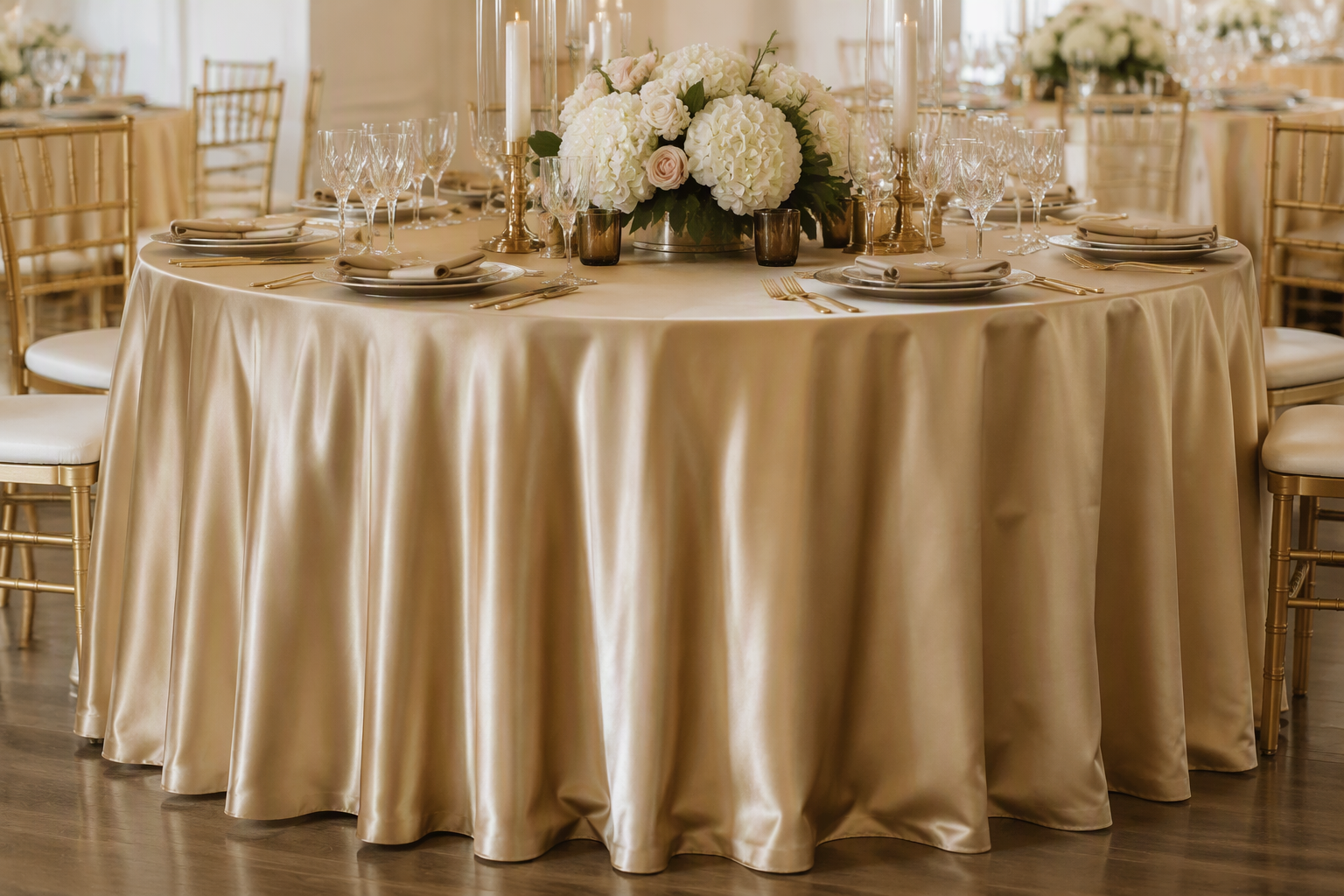
- The weight sets the pour. The satin falls in the folds the weight gives it, and the heavier the cloth, the deeper and the cleaner the fold reads on the table. The weight is the figure behind the drape, and it is matched to the size, as the sizing is done in the size guide.
- The weight sets the sheen. The heavier the satin, the more even the face lies, and the more the sheen reads as a clean band of light instead of a broken one. The sheen that reads as luxury is the sheen on the weight that holds the face flat, and the gsm is the figure the sample is checked against.
- The weight sets the line of the drop. The drop of the satin is the line the table is read on, and the cloth that is too light lifts and shifts with the service, and the line breaks. The weight is what holds the line, and it is the figure the program is set to.
- The weight is the gsm, not the feel. The grams per square meter is the figure the factory works to, and it is the one stated on the spec so the cloth that arrives is the weight that was approved, the way the weight is stated on every cloth in the program.
6. Size and Use
- The round is the cloth of the banquet. The satin round is the piece of the banquet room and the wedding table, the cloth the sheen is read across at the full length of the table. The size is set to the drop the room is run at, as the sizing is done in the guide.
- The square is the cloth of the cocktail table. The cocktail square is the satin of the event that stands the tables, and the sheen of the cloth is what the event is photographed on. The square is cut to the height of the table, and the sheen is read at the stand, not the sit.
- The size is specified to the finished, not the cut. The satin moves in the first washes the way every cloth does, and the size that is specified to the finished cloth is the size the program is set to. The shrinkage is worked into the cut before it is specified, the way it is on the cotton and the linen.
- The drop is the number the room is set to. The length of the drop is what the table is read on, and the size of the cloth is the number behind it. The drop is matched to the room, the room is matched to the event, and the cloth is cut to the drop the program is set to.
7. Colour and the Sheen Over It
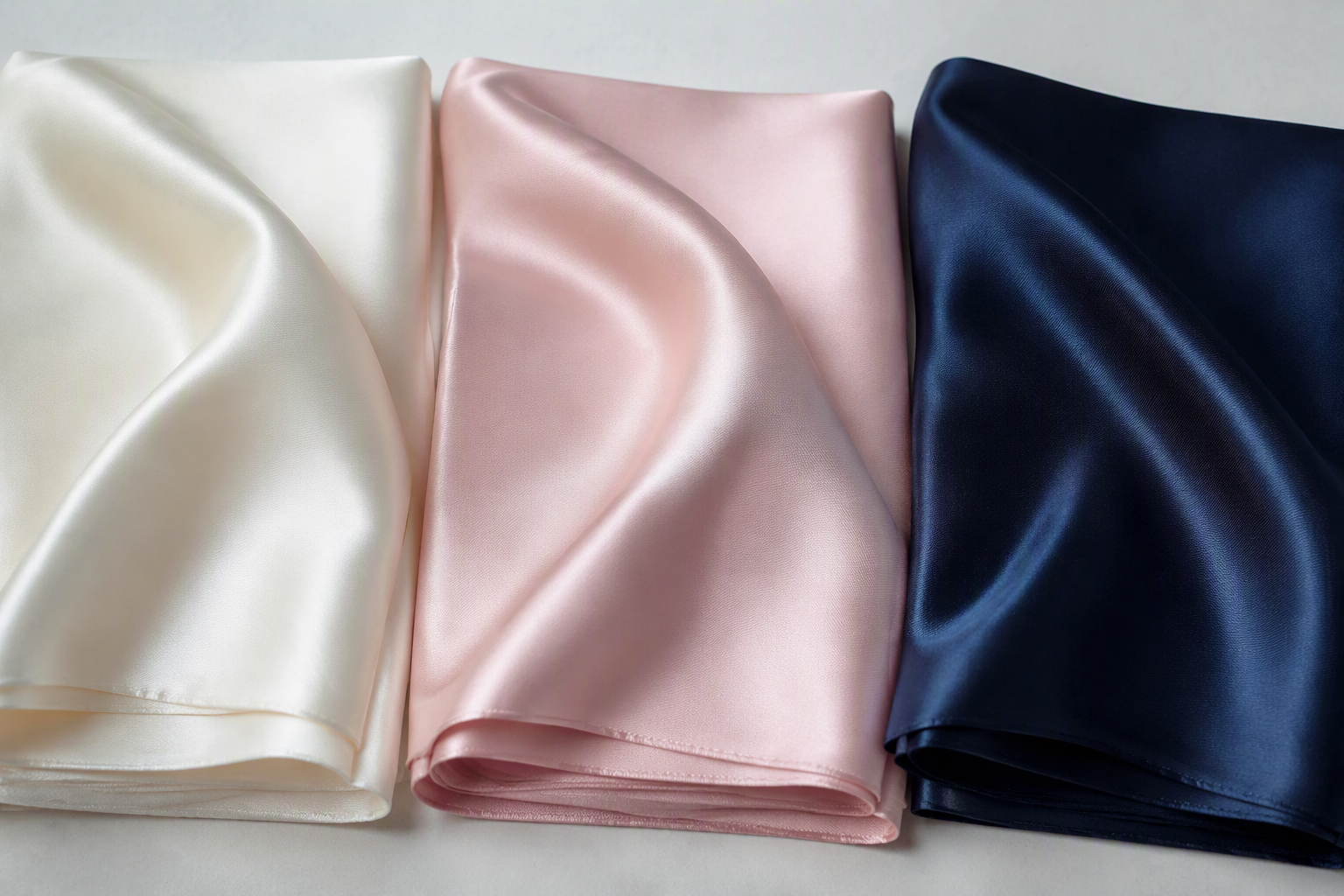
- The sheen changes the read of the colour. The same hue of satin reads deeper in the shadow of the fold and brighter on the face of it, and the colour of the satin is read across the drape, not on the flat card. The colour is confirmed in the room’s light, the way the sheen is, and the two are one decision.
- The white is the classic of the formal table. The white and the ivory satin are the cloths of the wedding and the banquet, and the white is the sheen the event is built on. The white of the satin is read against the light of the room, and the room is read in the photograph, and the cloth is the one the photograph is caught on.
- The tinted satin is the colour of the event. The blush, the champagne, the deep tone of the event palette are the colors the satin is dyed to, and the dye is tested to the wash it will run, the way the tint is tested on every cloth in the program. The colour is chosen to the event, and the event is chosen to the room.
- The lot is the sheen, and the lot is matched. The satin runs by dye lot, and the lot that is not matched is the program that shows a band of brightness across the tables as well as a band of colour. The lot match is a line on the order, and the sample is cut from the lot that will be run.
8. Satin in the Commercial Wash
- The wash is run to the fibre, not above it. The temperature and the handling are set to the fiber of the satin, and the program that washes the polyester at the cotton’s heat is the one that pays for it in the life of the cloth. The care is specified with the cloth, and the laundry runs to the spec.
- The snag is the fault line of the sheen. The long float on the face of the satin is what carries the sheen, and it is what the snag catches — the thread that pulls at the edge of the cloth, the ring of the glass, the hand of the service. The snag is where the satin shows its age first, and the care is run to protect the float.
- The press is on the back, not the face. The satin is pressed to set the drape, and the iron is set to the back of the cloth so the face of the sheen is not crushed. The press that is run on the face is the press that kills the light of the cloth, and the press that is run to the back is the one that keeps it.
- The fold line is managed, not hidden. The satin holds the line of the fold the way no other cloth does, and the fold line of the storage is the fold line of the table if it is not managed. The cloth is folded to the drop it will run at, and the line of the fold is the line the table is set on, so the cloth is stored to the table, not the shelf.
9. Where Satin Tablecloths Work Best
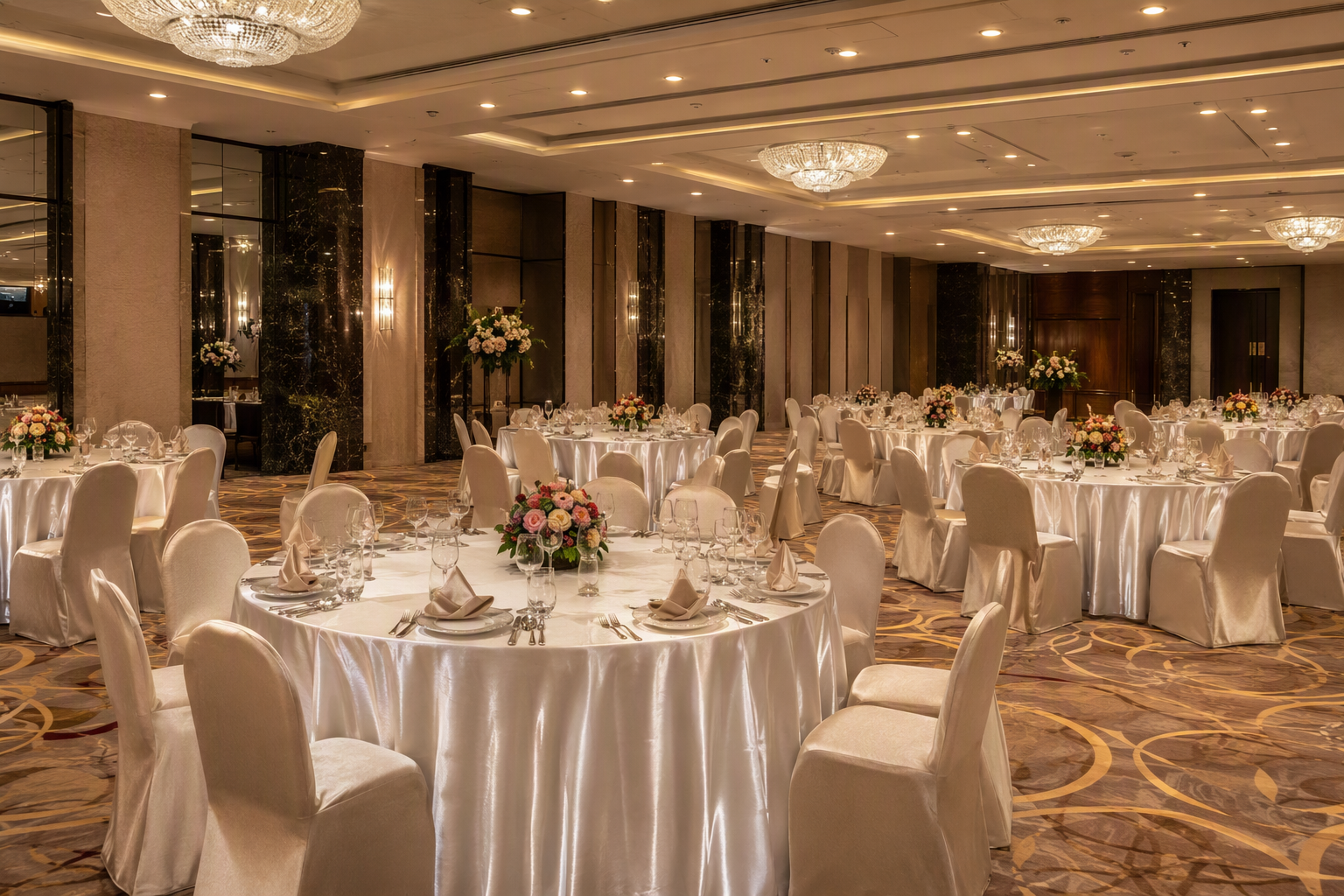
- The wedding table that is photographed. The satin is the cloth of the table the event is caught on, and the sheen is what the camera reads. The white and the champagne satin are the cloths of the reception, and the drop is the line the photograph is built on.
- The hotel banquet that runs the classic. The satin is the cloth of the banquet room that wants the formal look at the volume of the event, and the polyester satin is the one that holds the sheen through the count the program runs.
- The fine-dining room that wants the light on the table. The satin is the cloth of the room that reads as formal on the sheen, and the face of the cloth is what the room is set on, the way the cotton is set on the white.
- The event that wants the statement without the print. The satin is the cloth of the event that wants the look on the sheen and the drape, not the pattern, and the embossed and the tinted are the steps the program reaches for.
- The home program that wants the formal table to last. The satin at home is the cloth of the table that is set for the event of the year, and the sheen that holds the light is the one the home program is kept for.
10. B2B Specifications for Satin Tablecloths
- State the weave and the fibre first, in writing. The satin weave and the fibre it is run on are the two lines the cloth is built on, and they are the first lines of the order, so the cloth that arrives is the satin that was approved.
- Fix the weight and the sheen finish. The gsm and the finish — the plain, the embossed, the matte — are the two figures the look is set by, and they are stated on the spec so the sample is checked to them and the run is cut to them.
- Set the size to the drop, and the colour to the lot. The size is matched to the drop the room is run at, and the colour is matched to the lot the program is run from, and the two are the figures the sample is cut from and the order is matched to.
- Approve a washed, pressed finished sample in the room’s light. The satin that has not been run through the wash and the press has not been specified, and the sheen is read in the light of the room, not the card. The finished sample, washed and pressed, in the program’s light, is the piece that carries the decision.
- Set the face, and set the storage to the table. The cloth is delivered face up, and the fold of the storage is the fold the table will run at, so the line of the cloth is the line of the table, not the line of the shelf it came off.
11. Satin Tablecloth FAQs
How is the satin different from the wrinkled taffeta?
They are the two sheens of the formal table, and they read differently in the light. The satin is the smooth face that rolls the light in a clean band, and the drape falls in liquid folds, the cloth of the table that reads as poured. The wrinkled taffeta is the crisp face that holds the crinkle, and the drape stands with the texture of the weave, the cloth of the table that reads as structured. The satin is the sheen with the drape, and the taffeta is the sheen with the texture, and the choice is the look the program is buying — the smooth pour or the crisp crinkle — made on the sample, in the room’s light, the way every sheen is compared.
Will the satin snag, and how is it protected?
The float on the face is what the snag catches, and the protection is the care, not the cloth. The float length is set on the spec to balance the sheen against the surface, and the wash is run to the fibre so the yarn is not weakened by the chemical. The press is on the back, so the face is not crushed, and the fold of the storage is the fold of the table, so the line is set before the cloth goes on. The snag that shows is the snag the care let through, and the satin that holds its sheen to the count is the one the program is run to protect, the way the white is protected on the cotton.
How is the sheen kept through the program?
By running the care to the float, not above it. The sheen is the structure of the cloth, and it holds for the life of the fiber, but it shows the work done to it — the press that crushes the face, the chemical that weakens the yarn, the fold that breaks the line. The sheen is kept by the press on the back, the wash to the fibre, and the storage to the table, and the program that runs the three is the one the sheen is held through. The sample is checked in the room’s light, and the cloth is run to the same light it was approved in.
What is the embossed satin, and when is it specified?
The emboss is the pattern pressed into the face of the satin, the texture that reads as worked into the cloth without the print on it. It is the finish of the program that wants the sheen with a step of the pattern, the event that wants the look without the ink, and the home table that wants the texture that will not fade the way a print does. The emboss is fixed on the spec with the fibre and the weight, and the sample is checked in the room’s light, the way the plain sheen is, so the pattern that arrives is the pattern that was approved.
Final Thoughts
A satin tablecloth is the light of the formal table — the cloth the sheen is read on, the drape is poured from and the event is photographed against. Get the float to the sheen, the fibre to the hand, the weight to the drop, the colour to the lot and the care to the float, and the satin cloth holds its light and its line through the program it is built for. That is the difference between a cloth that is shiny and a cloth that is the table.
We supply satin tablecloths to your specification — the weave and the fibre, the weight and the sheen finish, the size to the drop and the colour to the lot, with a washed, pressed finished sample approved in the room’s light before the full run. Contact us for satin tablecloth designs, samples, sizing, MOQs, and wholesale pricing.