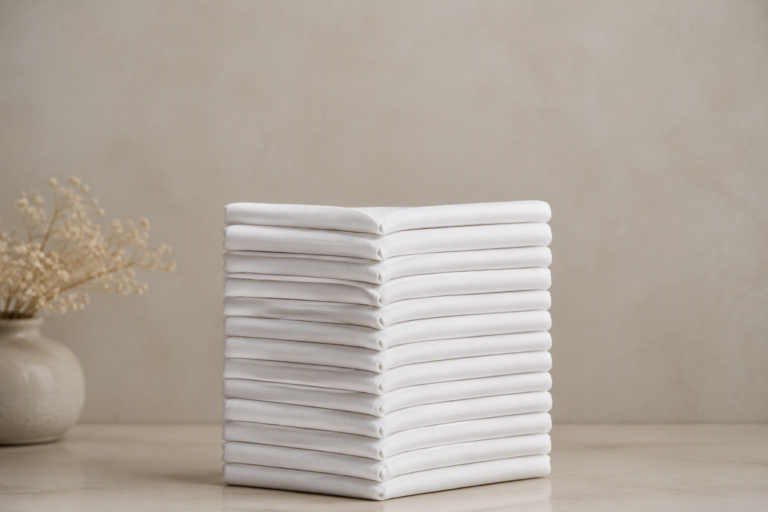
A glass of red wine tipped on the table, a drink that beades on the cloth instead of soaking into it, and the tablecloth that wipes clean instead of going to the wash — that is the table the waterproof cloth is built for. But waterproof is not one finish, it is a family of them, and the family is the place the buyer gets burned. The cloth that is truly waterproof, where the water cannot get through the face, and the cloth that is water-repellent, where the water beades and stands before it works in, and the cloth that is only stain-resistant, where the spill is easier to lift but the cloth still takes it — these are three different cloths, and the one that is specified as waterproof and delivered as repellent is the one that fails on the first tipped glass. This guide is about the family: the two ways a tablecloth is made waterproof, the coated and the finished, how each one works and how each one wears, and the specification that gets the right cloth to the table it is bought for, so the spill that lands on the program is the one the cloth is built to take.
1. What Waterproof Actually Means on a Tablecloth
- Waterproof is the water that cannot get through. The cloth where the liquid sits on the face of the fabric and does not work into the weave, no matter how long it stands, and it is the cloth that takes the tipped glass and wipes it off. The waterproof is the coat, and it is the one the outdoor table and the family kitchen are built on.
- Water-repellent is the water that beades before it works in. The cloth where the liquid stands in a bead on the surface, and the bead is what the hand wipes away before the water finds the weave and soaks. The repellent is the finish that buys the seconds the spill is cleaned up, and it is the one that wears with the wash and is the one the care is run to protect.
- Stain-resistant is the cloth that takes the stain but lifts it. The cloth where the liquid soaks, but the stain comes out in the wash the way it does on the cotton, and it is the cloth that is protected from the mark, not from the wet. The stain-resistant is the honest label for the cloth that is not waterproof at all, and it is the one the buyer should not be paying the waterproof price for.
- The label is the spec, and the spec is the cloth. The three are different cloths at different prices, and the one that is specified and delivered the same way is the one the program is run on. The label is confirmed on the sample with real water on it, and the run is matched to the label, the way every figure is matched to the order.
2. The Two Ways a Tablecloth Is Made Waterproof
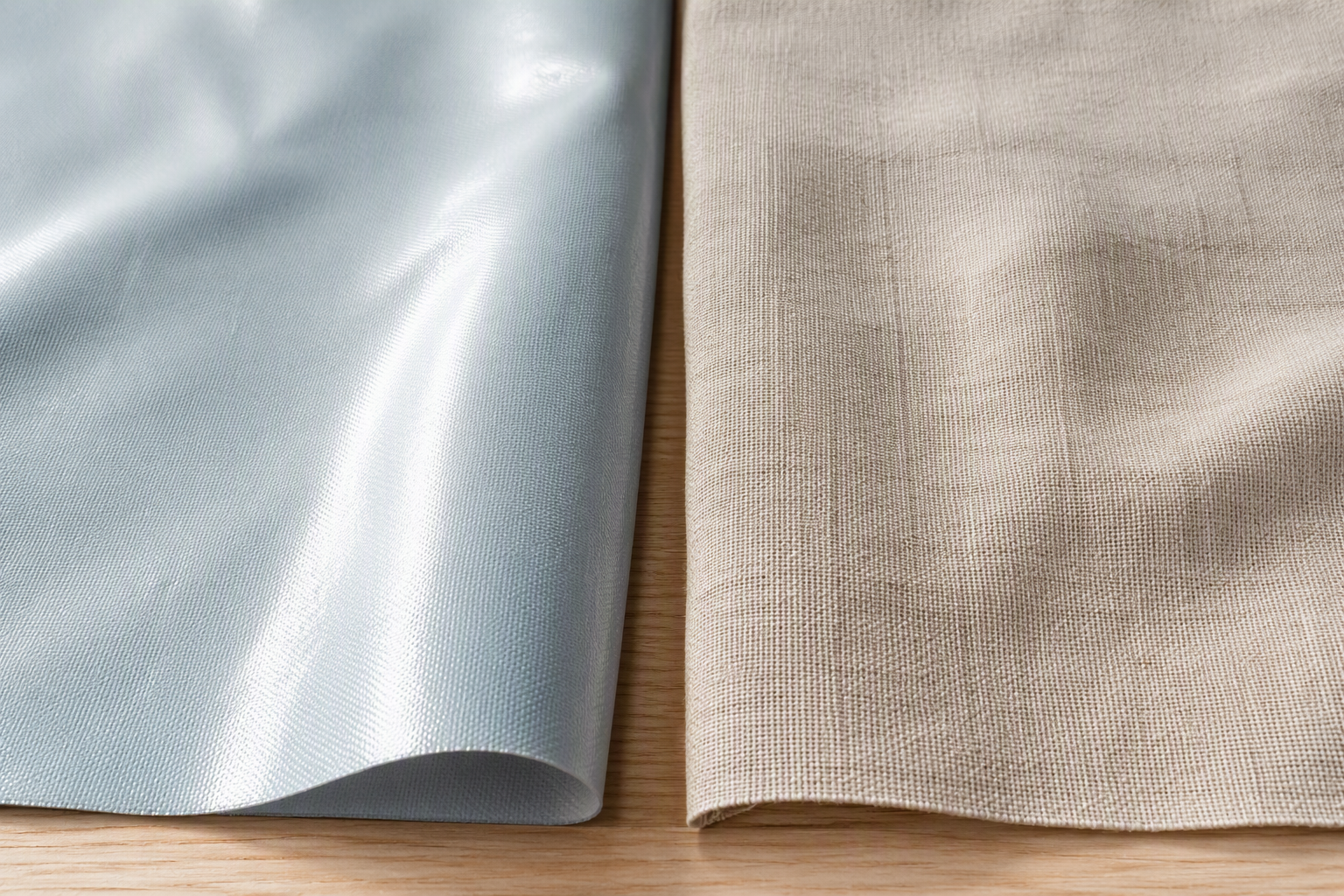
- The coating is the waterproof that is built into the cloth. The PVC, the PU, the oilcloth and the PEVA are the cloths where the waterproof is a layer on the fabric, and the water cannot pass the layer the way it cannot pass a sheet. The coating is the family the wipe-clean cloth is run on, and it is detailed in the guide to the coated tablecloths, the oilcloth, the PVC and the PEVA.
- The finish is the waterproof that is applied to the cloth. The water-repellent finish, the DWR, is the treatment that sits on the yarn of the fabric, and the beading is the work it does — the liquid stands on the surface instead of soaking into the weave. The finish is the one that keeps the cloth a cloth, the hand, the drape and the breath of the fabric, and it is the one that wears and is re-done, the way a coat of paint wears.
- The coated is the structure, and the finished is the treatment. The coated cloth is waterproof because of what it is, and the finished cloth is waterproof because of what was done to it, and the difference is the whole decision — the structure does not wear the way the treatment does, and the treatment wears the way the structure does not.
- The choice is the table, and the table is the program. The table that is wiped, the outdoor table and the family table, is the coated table, and the table that is washed and pressed, the bistro and the casual dining table that wants the cloth to be a cloth, is the finished table. The program is the place the family is chosen, and it is the place the specification is written.
3. How the Repellent Works, and Where It Wears
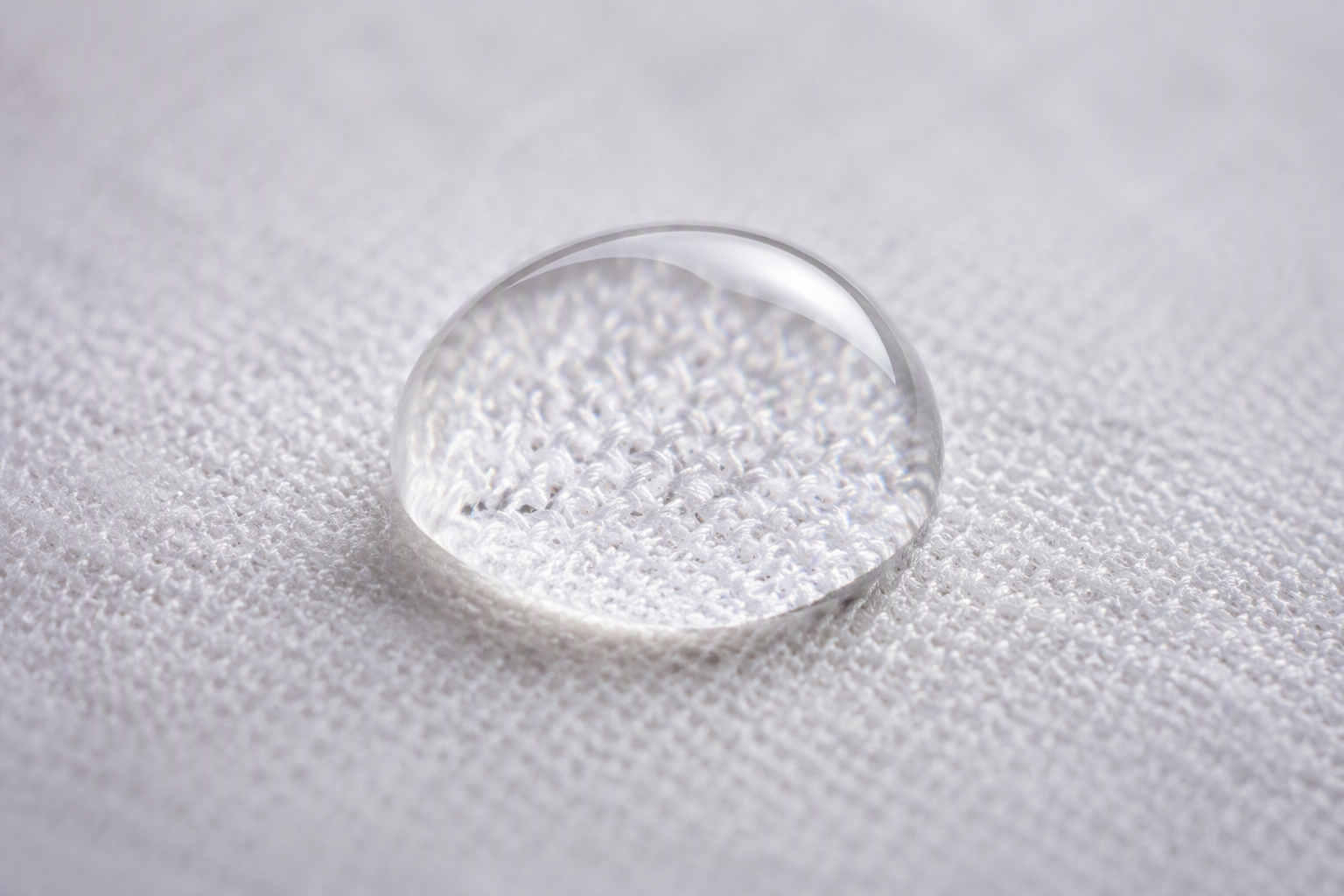
- The bead is the contact angle of the cloth. The repellent finish is the one that lifts the angle of the water on the yarn, and the water that cannot wet the surface stands in the bead instead of soaking into the weave. The bead is what the hand sees, and the bead is the figure the spray test is checked for.
- The finish lives on the yarn, and the wash is what wears it. The DWR is the treatment on the surface of the fiber, and every wash is the cycle that lifts a measure of it off, and the beading that is full on the sample is the beading that thins on the cloth after the run. The wear is the reason the care is written to the finish, and the reason the finish is the one that is re-done.
- The re-treatment is the way the beading is kept. The cloth that has lost the bead can be finished again, the re-treatment that lays the DWR back on the yarn, and the program that runs the re-treatment is the one the beading is held for the count the cloth is run to. The re-treatment is the cost the finish carries, and it is the figure the program is set against the coated cloth.
- The beading is checked with real water, not the label. The spray test on the sample is the one that shows the bead, and the bead that stands on the cloth is the one the program is bought for. The label says repellent, but the water on the cloth is what the program is run on, and the test is the figure the order is matched to.
4. Choosing Between the Coated and the Finished
- The table that is wiped is the coated table. The cloth that comes off the wash and goes straight back on the table, the outdoor table that takes the rain and the wipe, is the coated cloth, and the coating is the waterproof that does not need the care to be kept. The coated is the cloth of the table that runs the wipe.
- The table that is washed and pressed is the finished table. The cloth that goes through the wash and the press the way the cotton does, the bistro and the casual table that wants the hand and the drape of the fabric, is the finished cloth, and the finish is the waterproof that is run with the care of the program. The finished is the cloth of the table that runs the wash.
- The breath is the step the finished carries. The coated cloth is the sheet that does not breathe, and the finished cloth is the fabric that still breathes the way the cloth does, and the table that is run in the room that runs the heat is the one the finished is set for. The breath is the figure the program is checked for, and it is the step the coated does not carry.
- The drape is the step the finished keeps. The coated cloth drapes to the weight of the coat, and the finished cloth drapes to the weight of the fabric, and the drop that reads as the cloth is the drop the finished is set to. The drape is the figure the table is read on, and it is the one the finished is kept for.
- The decision is written on the spec. The family is chosen to the table, and the choice is stated on the order, so the cloth that arrives is the family that was approved, and the program is not the one that finds out the difference on the first tipped glass.
5. The Base Cloth Under the Finish
- The finish sits on a cloth, and the cloth is still the cloth. The waterproof finish is the work the water does not pass, but the hand, the drape and the life of the program are the figures of the base fabric, and the base is specified the way every cloth is specified — the fibre, the weave, the gsm.
- Polyester is the workhorse under the finish. The polyester base is the one that takes the finish and holds the beading, and the fibre that runs the casual and the bistro program, and the base that the finished tablecloth is most often run on.
- The faux-linen is the finished cloth with the natural look. The linen-look base with the water-repellent finish is the cloth that carries the hand of the linen and the work of the finish, and it is the one the program that wants the natural look with the waterproof work reaches for, the way the linen-look is run in the program.
- The gsm sets the drape under the coat. The weight of the base is the figure the drop is set by, the way the gsm is set on every cloth in the program, and the base that is too light under the finish is the cloth that lifts with the service and breaks the line of the drop.
6. Size and Drape
- The size is set to the drop, the way the size is set on every cloth. The waterproof cloth is cut to the table and the drop the program is run at, and the sizing is the same as the sizing is done in the tablecloth size guide, the finished cloth, not the cut cloth.
- The coated cloth drapes to the coat, and the drop is read on the weight. The PVC and the PEVA carry the drop to the weight of the material, and the coated cloth that is too light is the cloth that lifts with the hand of the service, the way the coated is read in the coated guide.
- The finished cloth drapes to the base, and the drop is read on the fabric. The finished cloth keeps the drape of the base fabric, and the gsm of the base is the figure the drop is set by, the way the gsm is set on the cotton and the linen.
- The round and the rectangle are cut to the table they run on. The banquet round and the bistro rectangle are cut to the drop the program is set at, and the size is the number the room is run on, the way the size is run in the program.
7. Colour and Print on the Waterproof Cloth
- The print is set to the place it sits on the cloth. The printed waterproof cloth is the one where the print sits under the finish, the way the print is run in the printed tablecloth program, and the print that is under the coat is the print the finish protects, the way the finish is the work the cloth is run for.
- The colour is checked to the wash the cloth runs. The dyed waterproof cloth is the one where the colour is tested to the count the program is run to, and the tint that holds the wash is the tint the table is run on, the way the colour is checked on every cloth in the program.
- The lot is matched the way the lot is matched on the cloth. The waterproof cloth runs by lot, and the lot that is not matched is the program that shows the line across the tables, the way the lot is run in the program, and the sample is cut from the lot that will be run.
8. Care and the Wear of the Finish
- The coated cloth is wiped, not washed. The PVC and the PEVA are the cloths that come off the table and are wiped back on, and the wash that is run on the coated cloth is the wash that is not run on it, the way the care is set in the coated guide, and the hand that wipes the coat is the hand that keeps the waterproof.
- The finished cloth is washed, and the wash is what wears the finish. The finished cloth runs the wash the way the cotton runs the wash, and the temperature and the chemical are set to the finish as well as the fibre, and the wash that is run above the finish is the wash that thins the beading, the way the care is set to the cloth.
- The re-treatment is the way the beading is kept for the count. The cloth that has run the count and lost the bead is the cloth that is finished again, and the re-treatment is the figure the program is set against the coated cloth, the way the life is set against the count in the program.
- The press is not run on the finish, and the dry is run to the cloth. The finished cloth is dried to the state the table is run on, and the press that is run on the beading is the press that is not run on it, the way the care is set to the family, and the cloth that comes off the dry is the cloth that goes on the table.
9. Where the Waterproof Cloth Works Best

- The outdoor and the patio table that takes the weather. The coated cloth is the cloth of the table that runs outside, and the finish that holds the rain and the wipe is the one the outdoor program is built on, the way the coated is run on the table that is not in the room.
- The bistro and the casual table that wants the cloth to be a cloth. The finished cloth is the one the bistro runs, the hand and the drape of the fabric with the beading that takes the spill, and the table that is washed and pressed is the table the finished is set for.
- The family table that takes the tipped glass.
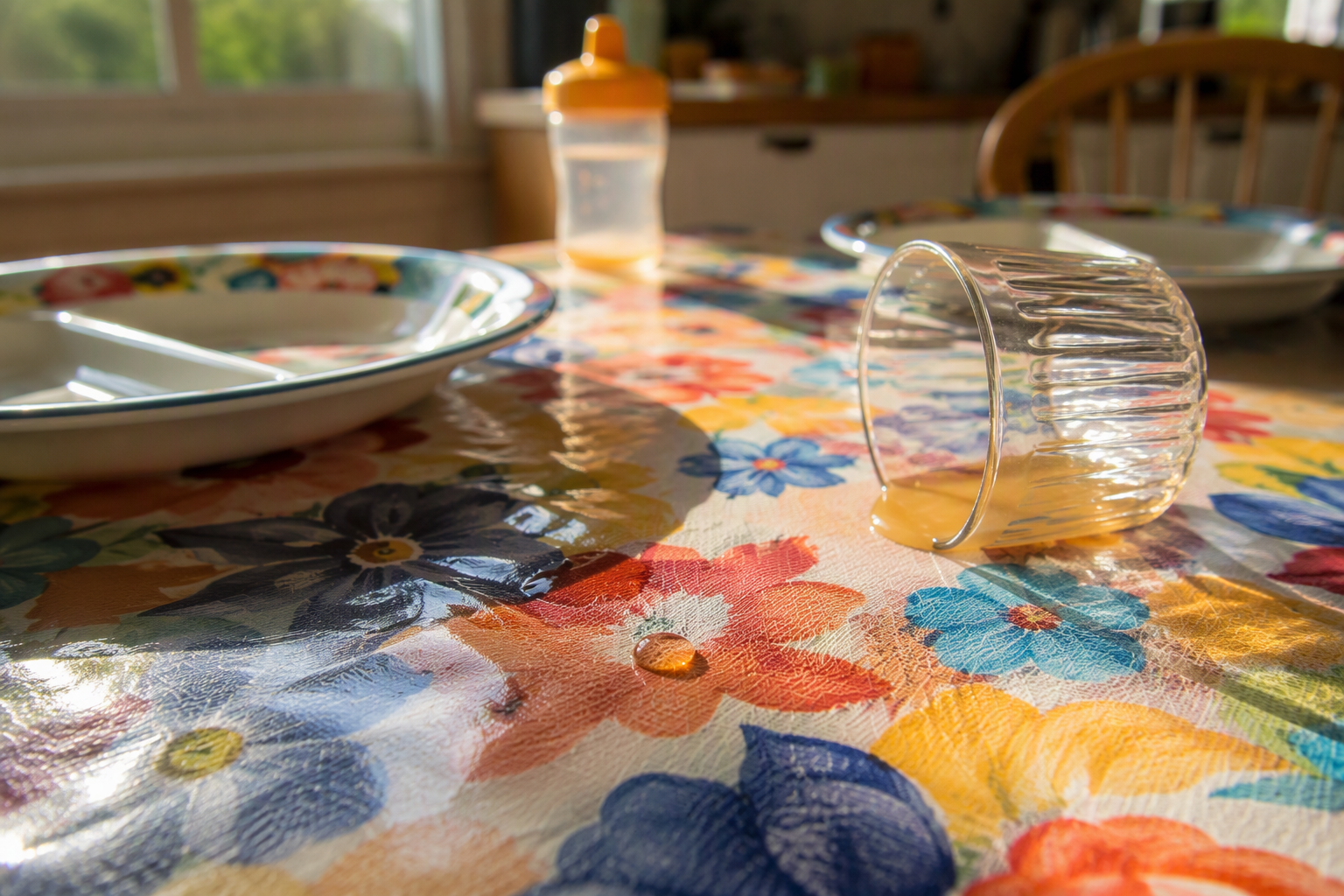
- The home program that runs the wipe and the wash. The coated and the finished are the cloths of the home table that takes the daily spill, and the family that runs the program is the one the waterproof cloth is kept for.
- The event and the catering table that runs the volume. The waterproof cloth is the one the event runs on the table that takes the drink, and the cloth that wipes and the cloth that washes are the two the event is run on, the way the program is run in the field.
- The kitchen and the work table that takes the pour. The coated cloth is the cloth of the table that runs the wipe, and the work table that takes the daily pour is the one the coated is kept for, the way the coated is run on the table that is not dressed.
10. B2B Specifications for Waterproof Tablecloths
- State the family first, in writing. The coated and the finished are the two families of the waterproof cloth, and the family is the first line of the order, so the cloth that arrives is the family that was approved, and the program is not the one that finds out the difference on the table.
- Set the test, and set the figure the test is read to. The spray test is the one the beading is checked on, and the hydrostatic head is the one the coated is read to, and the test is stated on the spec so the sample is checked to it and the run is matched to it, the way the figure is matched to the order.
- Specify the base to the cloth it runs. The fibre, the weave and the gsm of the base are the figures the hand and the drape are set by, and the base is stated on the spec the way the base is stated on every cloth in the program.
- Approve the sample with real water on it, in the room the cloth runs in. The waterproof cloth that has not been tested with the water on the surface has not been specified, and the beading is read in the light of the room and the wash of the program, the way the sample is approved in the program, and the finished sample, washed and run, is the piece that carries the decision.
11. Waterproof Tablecloth FAQs
Does waterproof mean the water never gets through?
It means the water cannot pass the face of the cloth in the state the cloth is run. The coated cloth is the one the water cannot pass at all, the sheet the water sits on, and the finished cloth is the one the water beades before it works in, and the beading is what buys the seconds the spill is lifted. The waterproof that is specified to the table is the one the program is run on, and the cloth that is tested with real water on the sample is the cloth the order is matched to, the way the figure is matched in the program.
How long does the repellent finish last?
The finish is run to the count the program is run to, and the beading is thinned by the wash the cloth runs. The finished cloth is the one the care is written to protect, the temperature and the chemical set to the finish as well as the fibre, and the re-treatment is the way the beading is kept for the count the cloth is run to. The figure the program is set against is the count the finish holds, and the re-treatment is the cost that is run against the coated cloth that does not wear the way the finish does.
Which is stronger, the coating or the repellent finish?
The coated is the stronger waterproof, and the finished is the better cloth. The coating does not wear the way the finish does, and the water cannot pass the coat at all, but the coated cloth is the sheet that does not breathe and does not drape the way the cloth does. The finished cloth is the cloth that keeps the hand, the drape and the breath of the fabric, and it is the one the program that runs the wash and the press is set to. The strength is the figure the program is checked for, and the cloth is the figure the table is read on.
How is the linen-look waterproof cloth made?
The faux-linen base is the fabric that carries the hand and the texture of the linen, and the water-repellent finish is the treatment that is applied to the base, and the two together are the cloth that reads as the linen and runs as the waterproof. The base is specified to the look, the gsm and the texture, and the finish is specified to the beading, and the cloth that arrives is the one the two figures are set to, the way the cloth is specified in the program.
Final Thoughts
A waterproof tablecloth is not one cloth, it is the family of the cloth that keeps the table dry — the coated that the water cannot pass, and the finished that the water beades before it works in. Get the family to the table, the test to the figure, the base to the cloth and the care to the finish, and the waterproof cloth holds the table through the spill it is built for. That is the difference between a cloth that is wet and a cloth that is the table.
We supply waterproof tablecloths to your specification — the coated and the finished family, the test and the figure, the base and the gsm, the size and the colour, with a sample tested with real water on it before the full run. Contact us for waterproof tablecloth designs, samples, sizing, MOQs, and wholesale pricing.