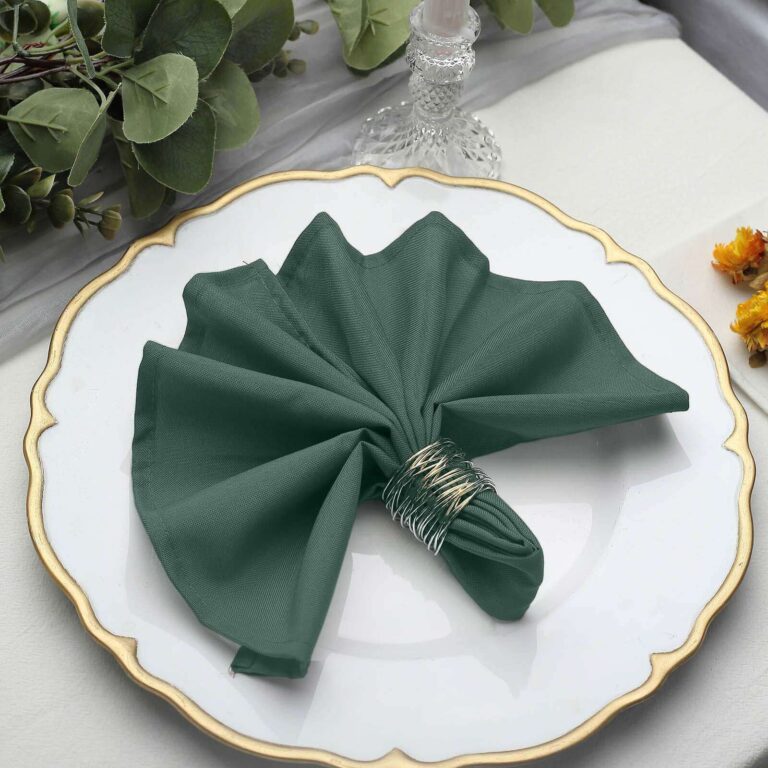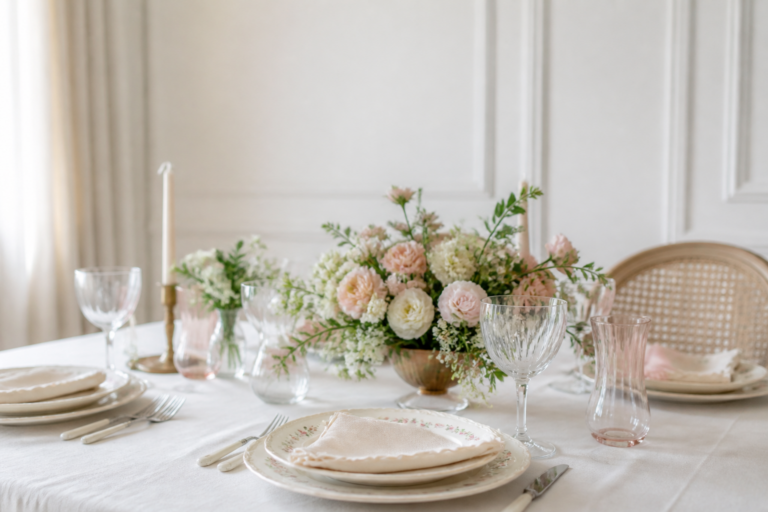
The ruffle tablecloth is the cloth that does not end, it waves. Where the serged edge is the line that is cut and locked, the ruffle is the edge that is gathered and let fall, the wave that runs along the bottom of the table and is the thing the eye reads when it reads the cloth. It is the edge of the farmhouse table and the home table, the soft line that takes the table out of the formal and into the warm, and the wave is the figure the cloth is sold on. But the ruffle is not an edge, it is a ratio, the extra length of cloth that is gathered to make the wave, and the ratio is the first specification, the way the gsm is the first figure of the cotton. This guide is about the family of the ruffled cloth: the ratio, the construction, the base cloth, and the care that keeps the wave, so the cloth that is specified as the ruffle is the one that arrives with the wave the table is bought for.
1. What the Ruffle Is, and What It Is Not
- The ruffle is the extra length, gathered. The ruffle is the cloth that is cut longer than the drop the table needs, and the extra is gathered to the edge so it falls in the wave. The wave is the length that is not the drop, and it is the figure the cloth is read on.
- The ruffle is not a hem. The hem is the edge that is locked, the serged and the bound that are detailed in the edge-finishing guide. The ruffle is the edge that is not locked, it is gathered and held by the seam under the wave, and the wave is the finish the way the serged is the finish.
- The wave is the figure, and the ratio is the number. The wave the eye reads is the length of the ruffle to the width of the cloth, and the ratio is the number the factory is cut to. The ratio that is not stated is the wave that is not guaranteed, and it is the figure the order is matched to.
- The ruffle is the soft line of the table. The cloth that is cut and locked reads as the line, and the cloth that is gathered reads as the wave, and the table that wants the soft line is the table the ruffle is set for, the way the program is run in the room it is dressed.
2. The Types of Ruffle on the Tablecloth
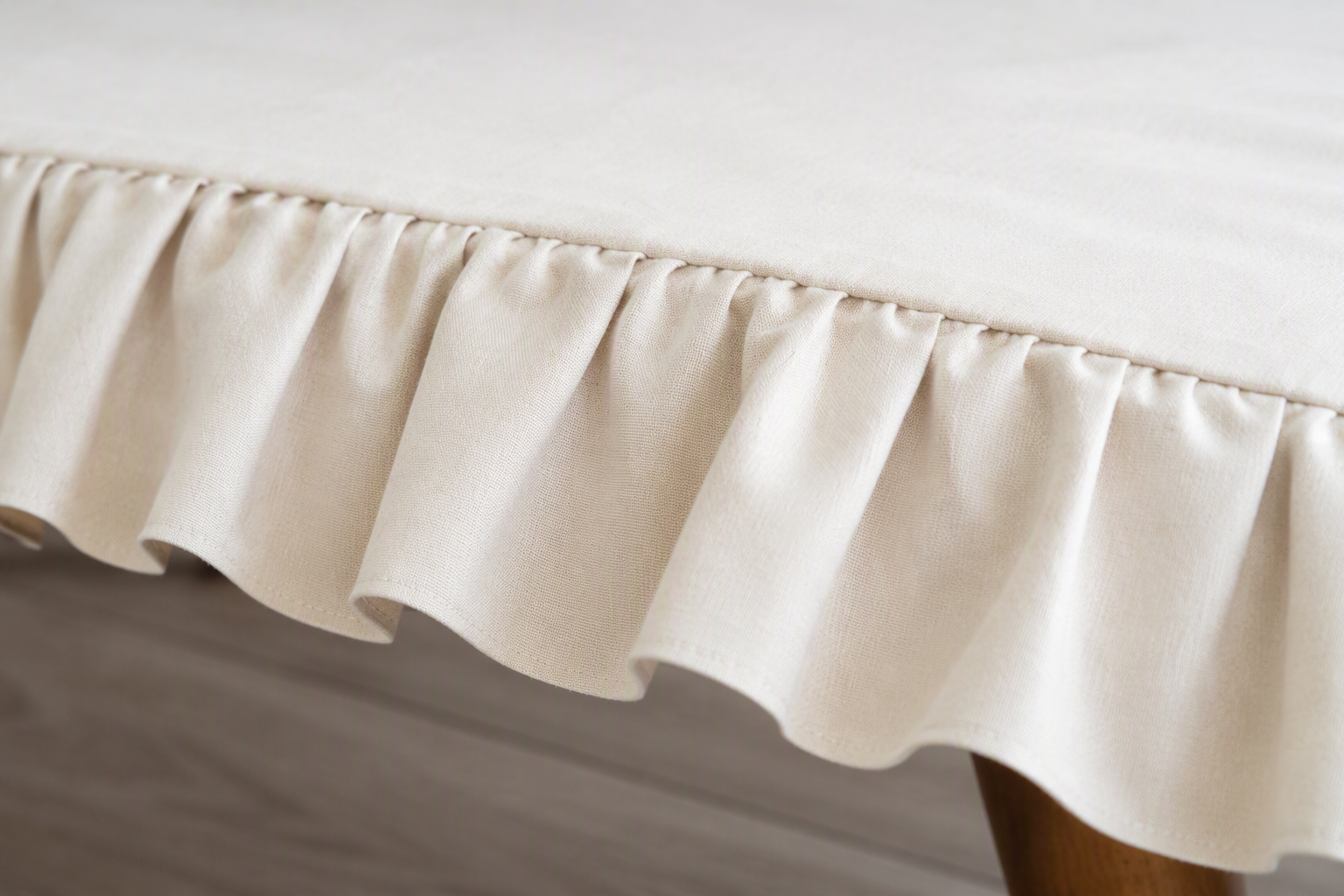
- The full ruffle is the wave that runs all around. The cloth where the ruffle is gathered to every edge, the round and the rectangle, and the wave is the line of the whole table. The full ruffle is the one the farmhouse table is run on, and it is the cloth the wave is read on all four sides.
- The side ruffle is the wave on the long sides. The rectangle where the ruffle runs the two long edges and the short edges are cut clean, and the wave is the line of the length of the table. The side ruffle is the one the dining rectangle is run on, and it is the cloth the wave is read on the sides.
- The ruffle band is the wave that is added, not gathered into the drop. The cloth where the ruffle is a band of the same cloth that is gathered and sewn to the hem, and the wave is the band that runs below the line of the cloth. The ruffle band is the one the cloth is run with the wave that is added, and it is the construction the factory is set to.
- The type is the first line of the specification. The full, the side and the band are the three constructions of the ruffle, and the type is stated on the order so the cloth that arrives is the construction that was approved, the way the type is run in the program.
3. The Ruffle Ratio Is the First Specification
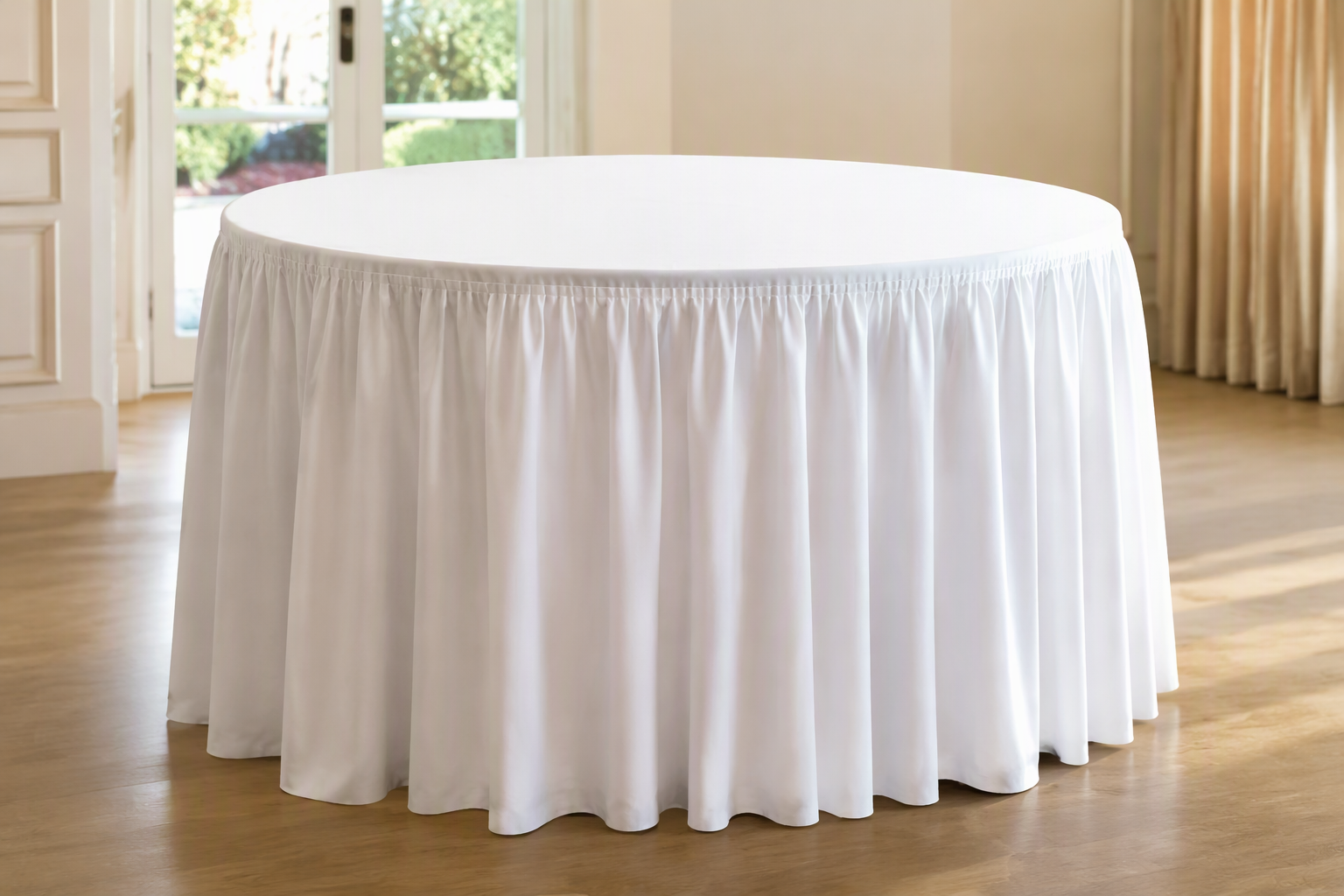
- The ratio is the extra cloth to the width. The ruffle is cut to the ratio of the gathered length to the width of the cloth it is gathered to, and the ratio is the figure the wave is set by. The ratio that is higher is the wave that is fuller, and the ratio that is lower is the wave that is flatter.
- The math is the width of the cloth, not the wave. The cloth is cut to the table and the drop, and the ruffle is cut to the width of the table by the ratio, so the fabric of the ruffle is the width of the table times the ratio, plus the seam. The number the factory is cut to is the math, and the wave is what the math falls to.
- The wave changes with the ratio, and the table is read on the wave. The ratio that is run on the round is read on the circumference, and the ratio that is run on the rectangle is read on the length, and the same ratio is a different wave on the round and the rectangle, the way the math is run to the table it is cut for.
- The ratio is stated, and the sample is checked to it. The ruffle that is approved on the sample is the ratio that is run to, and the ratio that is not stated is the wave that is not guaranteed, the way the figure is matched to the order in the program.
4. Construction and the Wave
- The wave is the seam under the gather. The ruffle is held by the seam that gathers the extra length to the edge of the cloth, and the seam is the line the wave hangs from. The seam that is run to the ratio is the seam the wave is set by, and the gathering is the work the seam is run to.
- The wave is pressed or it is loose, and the two are different cloths. The ruffle that is pressed into the even fold is the wave that reads as the line, and the ruffle that is left loose is the wave that reads as the soft. The two are the two constructions the cloth is run to, and the one that is approved on the sample is the one the order is matched to.
- The fold is the figure the wave is read to. The even fold of the ruffle is the figure the eye is read on, and the fold that is not even is the wave that breaks the line of the table. The fold is set on the construction, and it is the figure the sample is approved on.
- The construction is stated, and the sample is the wave. The pressed and the loose are the two constructions of the wave, and the one that is approved is the one the factory is run to, the way the construction is run in the program.
5. The Base Cloth Under the Ruffle
- The ruffle is the edge, and the cloth is still the cloth. The wave is the figure the ruffle is sold on, but the hand, the drape and the life of the program are the figures of the base fabric, and the base is specified the way every cloth is specified — the fibre, the weave, the gsm.
- Cotton is the workhorse under the ruffle. The cotton base is the one the ruffle is most often run on, and the fibre that takes the wave and holds the fold, and the base that the farmhouse program is run on, the way the cotton is run in the program.
- The cotton-linen and the faux-linen are the natural hand under the wave. The blend that carries the hand of the linen under the ruffle is the cloth that reads as the natural farmhouse, and it is the one the program that wants the natural hand with the wave reaches for, the way the blend is run in the program.
- The gsm sets the weight of the wave. The weight of the base is the figure the drop is set by, the way the gsm is set on every cloth, and the base that is too light under the ruffle is the cloth that lifts with the wave and breaks the line of the drop.
6. Size and Drape
- The ruffle is the drop that is not the drop. The cloth is cut to the table and the drop the program is run at, and the ruffle is the length that falls below the line of the drop, the way the sizing is run in the size guide, the finished cloth, not the cut cloth.
- The finished size is the table plus the drop plus the ruffle. The size that is stated on the order is the finished size, and it is the number the table is run on, and the ruffle is the length that is added to the drop, so the size that is cut to is the number that includes the wave, the way the size is run in the program.
- The round and the rectangle are cut to the wave they run on. The round reads the ruffle on the circumference, and the rectangle reads it on the length, and the size of each is set to the wave the table is run on, the way the size is run to the table it is cut for.
- The drop is the figure the room is read on. The line of the drop is the number the table is set at, and the ruffle is the wave that falls below the line, and the two together are the size the program is run on, the way the size is run in the program.
7. Colour and Pattern on the Ruffle
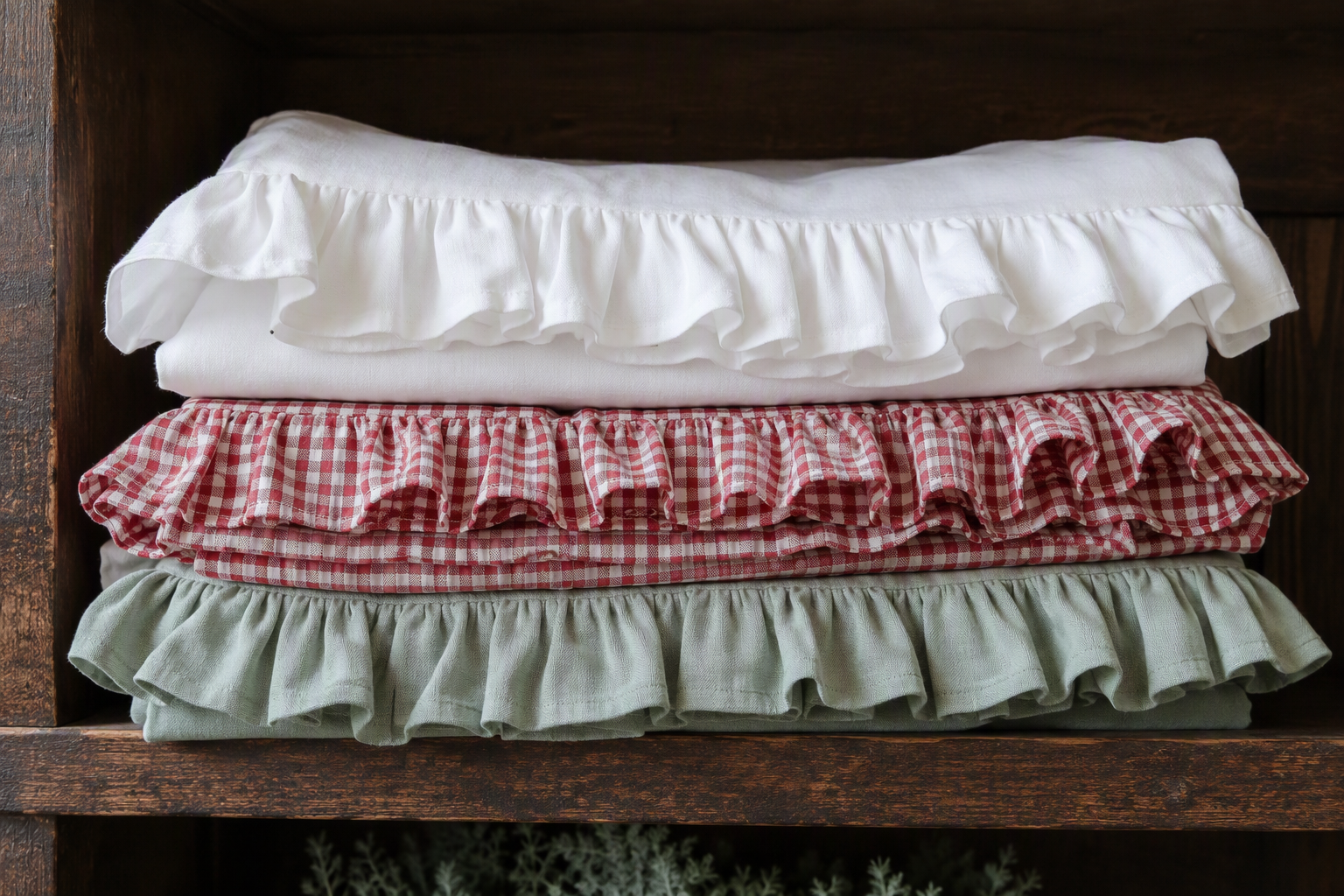
- The solid is the wave that reads as the line. The white and the ecru and the sage are the solids that the ruffle is run on, and the wave of the solid is the line the table is read on, the way the colour is run in the program, and the colour program is the one the solid is set in.
- The gingham is the wave that reads as the farmhouse. The checked cloth with the ruffle is the one the farmhouse program is run on, and the wave of the check is the line the table reads as the home, the way the checked is run in the checked guide, and the ruffle is the edge the check is run to.
- The pattern is set to the wave, and the wave is set to the pattern. The check that is run under the ruffle is the check that is matched to the gather, and the pattern that is not matched to the wave is the cloth that breaks the line, and the two are set together on the sample, the way the pattern is run in the program.
- The lot is matched the way the lot is matched on the cloth. The ruffle runs by lot, and the lot that is not matched is the program that shows the line across the tables, and the sample is cut from the lot that will be run, the way the lot is run in the program.
8. Pressing, Washing and the Wave
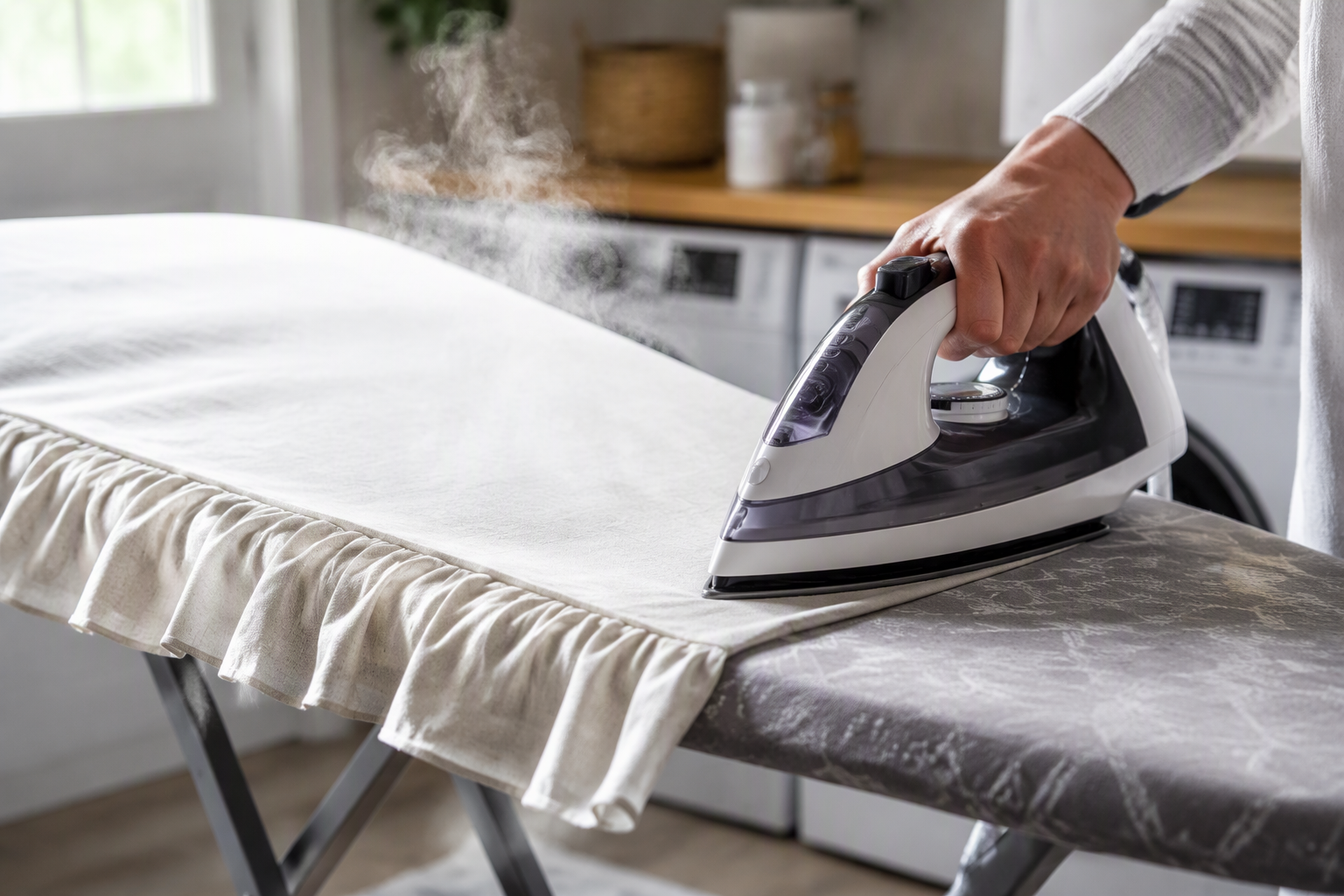
- The ruffle is the edge that is hardest to press. The serged edge is pressed the way the hem is pressed, and the ruffle is the edge that is gathered, and the press of the gather is the step that takes the wave from the loose to the even, and the cloth that is run with the pressed ruffle is the cloth the press is set to.
- The wash is set to the wave, and the wave is kept by the fold. The ruffle is washed the way the cloth is washed, and the wave is the figure the fold is kept to, and the wash that is run to the base is the wash the wave is run on, the way the care is set in the program.
- The dry and the press are the two the wave is kept by. The cloth is dried to the state the table is run on, and the press is the step the wave is set to, and the two together are the care the ruffle is kept for, the way the care is run in the program.
- The storage is the wave that is kept for the table. The ruffle is stored the way the cloth is stored, and the fold is the figure the wave is kept to, and the cloth that is stored to the fold is the one that comes off the storage with the wave, the way the storage is run in the program.
9. Where the Ruffle Works Best
- The farmhouse and the home table that wants the soft line. The ruffle is the edge of the table that reads as the home, and the soft wave is the line the farmhouse program is run on, the way the ruffle is run on the table that is not the formal.
- The wedding and the event that wants the soft line of the table. The ruffle is the edge the event is run on the table that reads as the warm, and the wave is the line the event is dressed with, the way the event is run in the program.
- The cafe and the bistro that wants the soft line of the daily table. The ruffle is the edge the cafe is run on the table that is washed and set back, and the wave is the line the daily table is read on, the way the cafe is run in the program.
- The seasonal and the home program that turns the table. The ruffle is the edge the season is run on, and the wave is the line the table is turned with, the white and the gingham and the sage, the way the season is run in the program.
10. B2B Specifications for Ruffle Tablecloths
- State the type and the ratio first, in writing. The full, the side and the band are the three constructions, and the ratio is the figure the wave is set by, and the two are the first lines of the order, so the cloth that arrives is the construction and the wave that was approved, the way the specification is run in the program.
- Set the finished size to the table, the drop and the ruffle. The size that is stated is the finished size, and it is the number that includes the wave, and the size is set to the table it is cut for, the way the size is run in the program.
- Specify the base to the cloth it runs. The fibre, the weave and the gsm of the base are the figures the hand and the drape are set by, and the base is stated on the spec the way the base is stated on every cloth in the program.
- Approve the sample washed, and read the wave on the table. The ruffle that has not been washed and set on the table has not been specified, and the wave is read on the table in the light of the room, and the finished sample is the piece that carries the decision, the way the sample is approved in the program.
11. Ruffle Tablecloth FAQs
How much extra cloth does the ruffle take?
The ruffle is cut to the ratio of the gathered length to the width of the cloth, and the extra is the length that falls below the line of the drop. The ratio is the figure the wave is set by, and the math is the width of the table times the ratio, plus the seam. The ratio that is stated on the order is the one the factory is cut to, and the wave is what the math falls to, the way the figure is matched to the order in the program.
Can the ruffle be pressed flat?
The ruffle is pressed to the even fold, and the press is the step that takes the wave from the loose to the even. The pressed ruffle is the wave that reads as the line, and the loose ruffle is the wave that reads as the soft, and the two are the two constructions the cloth is run to. The one that is approved on the sample is the one the order is matched to, the way the construction is run in the program.
Is the ruffle the same as the tassel edge?
The ruffle is the gathered wave, and the tassel is the fringe that hangs from the edge. The ruffle is the cloth that is cut longer and gathered, and the tassel is the edge that is cut to the thread, and the two are the two edges the cloth is run to. The tassel is detailed in the edge-finishing guide, and the ruffle is the edge this guide is run to, the way the edge is run in the program.
What ratio is run on the round table?
The round reads the ruffle on the circumference, and the ratio is set to the circumference of the table it is cut for. The same ratio is a different wave on the round and the rectangle, and the ratio that is stated on the order is the one the factory is cut to the round, the way the ratio is run to the table it is cut for.
Final Thoughts
A ruffle tablecloth is not an edge, it is a ratio — the extra length of cloth that is gathered to make the wave, and the wave is the line the table is read on. Get the type and the ratio to the order, the base to the cloth, the size to the finished wave and the care to the fold, and the ruffled cloth keeps its line through the program and the wash. That is the difference between a cloth that is cut and a cloth that is the wave.
We supply ruffle tablecloths to your specification — the type and the ratio, the base and the gsm, the finished size and the colour, with a sample washed and set on the table before the full run. Contact us for ruffle tablecloth designs, samples, sizing, MOQs, and wholesale pricing.