The damask tablecloth is the cloth the pattern is run in, not on. Everything else in the table program — the printed cloth, the embroidered cloth, the sequin cloth — carries its pattern on the surface of the fabric. The damask carries it in the weave: one colour of yarn, woven so that the motif reads by the difference of sheen between the figured face and the ground. That is why the damask is the cloth that reads as the fine table — the pattern that is woven into the cloth is the pattern that holds, wash after wash, press after press. But the damask is not one cloth, it is a family with a figure: the motif, the colour, the weight and the reversal, and the four together are the piece the program is set on. Get those right, and the damask keeps its sheen, its line and its face through the length of the program.
1. Why the Damask Is the Cloth That Reads as the Program
- The pattern is woven, not printed. The damask is the cloth the motif is run in the weave, and the motif that is woven is the motif that holds, the way the pattern is matched to the program it is run on.
- The sheen difference is the read. The damask is read by the difference between the motif and the ground, the figure that catches the light and the field that doesn’t, and the sheen difference is the one the table is approved on, the way the read is matched to the room.
- The damask is the fine table cloth. The fine dining table and the hotel banquet are the tables the damask is run on, and the damask that is read on those tables is the cloth the program is dressed with, the way the cloth is matched to the program.
- The cloth is kept by the wash and the press. The damask is the cloth that is washed and pressed, and the woven motif is the one the wash is kept for, the way the care is run in the program.
2. The Self-Coloured Principle: The Pattern in the Cloth
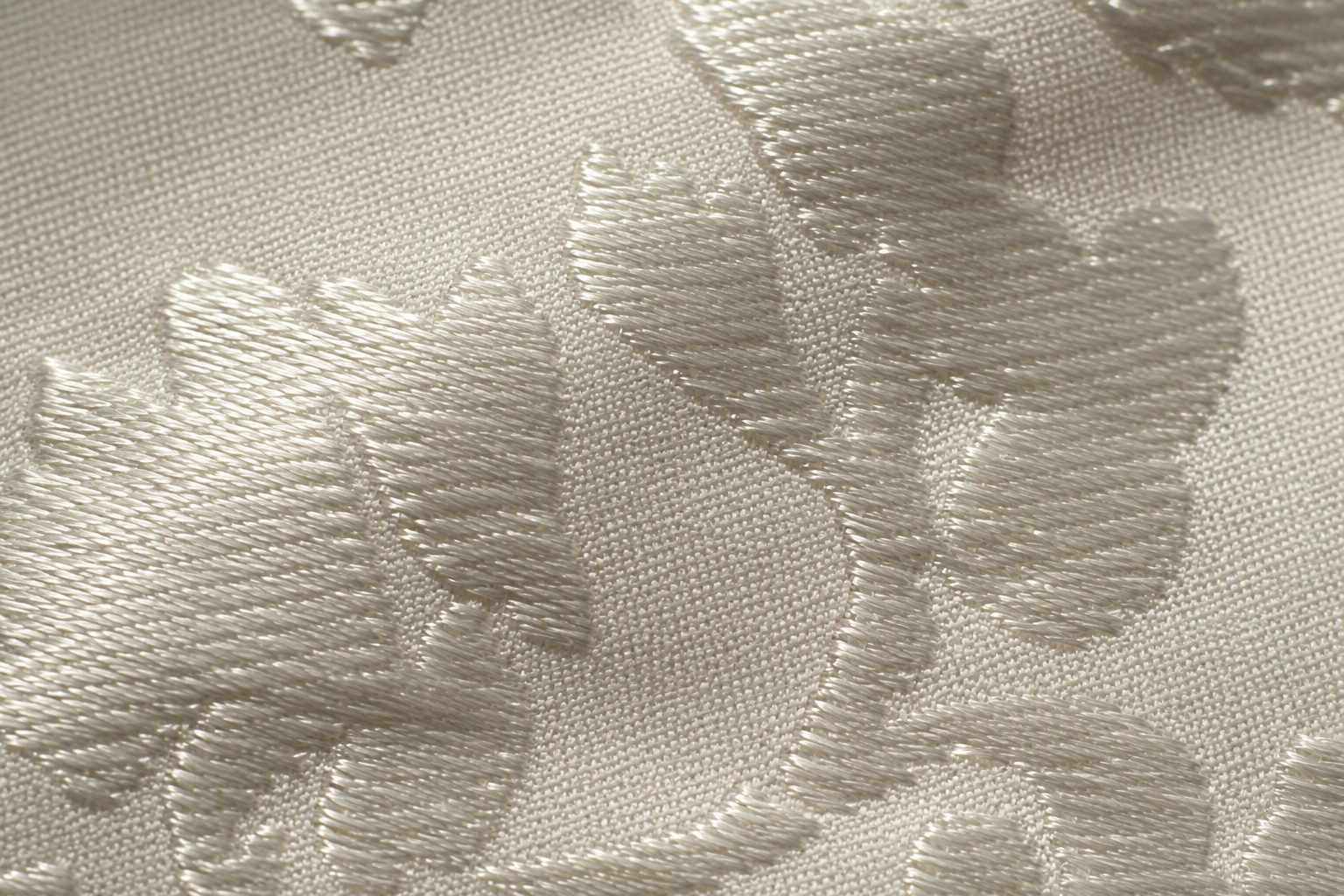
- One colour of yarn is the rule. The damask is woven from a single colour of yarn, dyed before the weave, and the motif is made by the change of face in the cloth, not by a second colour. That is the first line of the specification, and it is the line that separates the damask from the print.
- The motif reads by the sheen difference. The figured face of the weave catches the light where the ground doesn’t, and the difference is the read. In the light of the room, the motif of the damask moves — the pattern that seems to shift as you walk around the table is the weave working, the way the sheen is run in the program.
- The woven motif holds the wash. The printed cloth loses its surface with the wash, and the damask loses nothing, because there is no surface to lose. The motif that is woven is the motif that is run for the length of the program, the way the pattern is matched to the life of the cloth.
- The face is the first quality read. A damask that is run to look woven — printed or heat-set to imitate the sheen — is read in the hand and the wash. The face that is stated as woven is the one the cloth is approved on, and it is the line the sample is read to.
3. The Motif Family
- The floral is the motif the damask is known on. The flower and the foliage are the damask motifs the fine table is run on, and the floral that is stated is the one the program is dressed with, the way the motif is matched to the table.
- The foliage and the scroll are the classic fields. The leaf, the vine and the scroll are the motifs that run around the floral, and the field that is stated is the one the cloth is approved on, the way the motif is run in the program.
- The geometric is the modern read. The diamond, the star and the lattice are the motifs the contemporary table is run on, and the geometric that is stated is the one the program is approved on, the way the motif is matched to the room.
- The motif size is a line of the specification. The motif is stated by the size of the figure and the repeat across the cloth, and the repeat that is stated is the one the cloth is approved on, the way the motif is matched to the order.
4. Colour and the Sheen
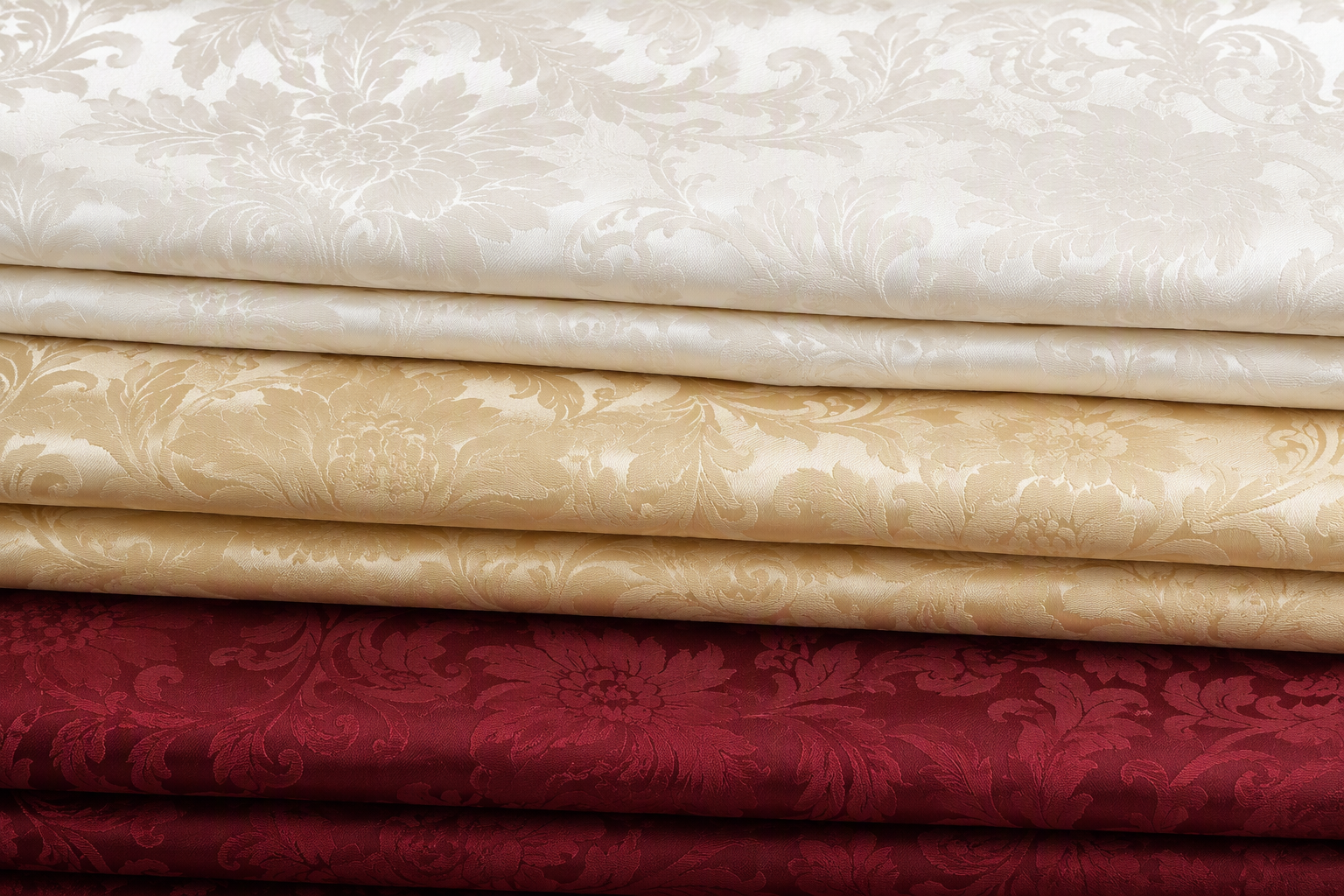
- The ivory is the colour the damask is read on. The ivory is the classic of the damask, the colour the motif is read against, and the ivory that is stated is the one the program is dressed with, the way the colour is matched to the fine table.
- The champagne and the gold are the warm reads. The champagne and the gold are the colours the damask is run on for the warmth of the room, and the warm colour that is stated is the one the program is approved on, the way the colour is matched to the table.
- The deep colours are the seasonal and the formal reads. The burgundy, the green and the navy are the colours the damask is run on for the season and the formal program, and the deep colour that is stated is the one the cloth is approved on, the way the colour is matched to the event.
- The dye lot is matched the way the lot is matched on any cloth. The damask runs by lot, and the lot that is not matched is the program that shows the line across the tables. The sample is cut from the lot that will be run, the way the lot is run in the program.
5. Weight and the Hand
- The gsm is the figure the hand is set by. The weight of the damask is the figure the table is read on, and the gsm that is stated is the one the cloth is approved on, the way the weight is matched to the program it is run on.
- The damask is the thicker face of the woven cloth. The damask is woven to a full face, and the hand that is stated is the one the program is approved on — a damask that is run thin reads as the imitation, the way the hand is matched to the cloth.
- The weight sets the drape and the life. The damask that is run to the weight holds the drape of the fine table and the face of the press, and the weight that is stated is the one the cloth is approved on, the way the weight is matched to the order.
- The gsm is stated on the order, and the sample is read to it. The weight that is stated is the line the cloth is approved on, and the sample that is read to the gsm is the one the order is matched to, the way the weight is run in the program.
6. The Two Faces: The Reversal
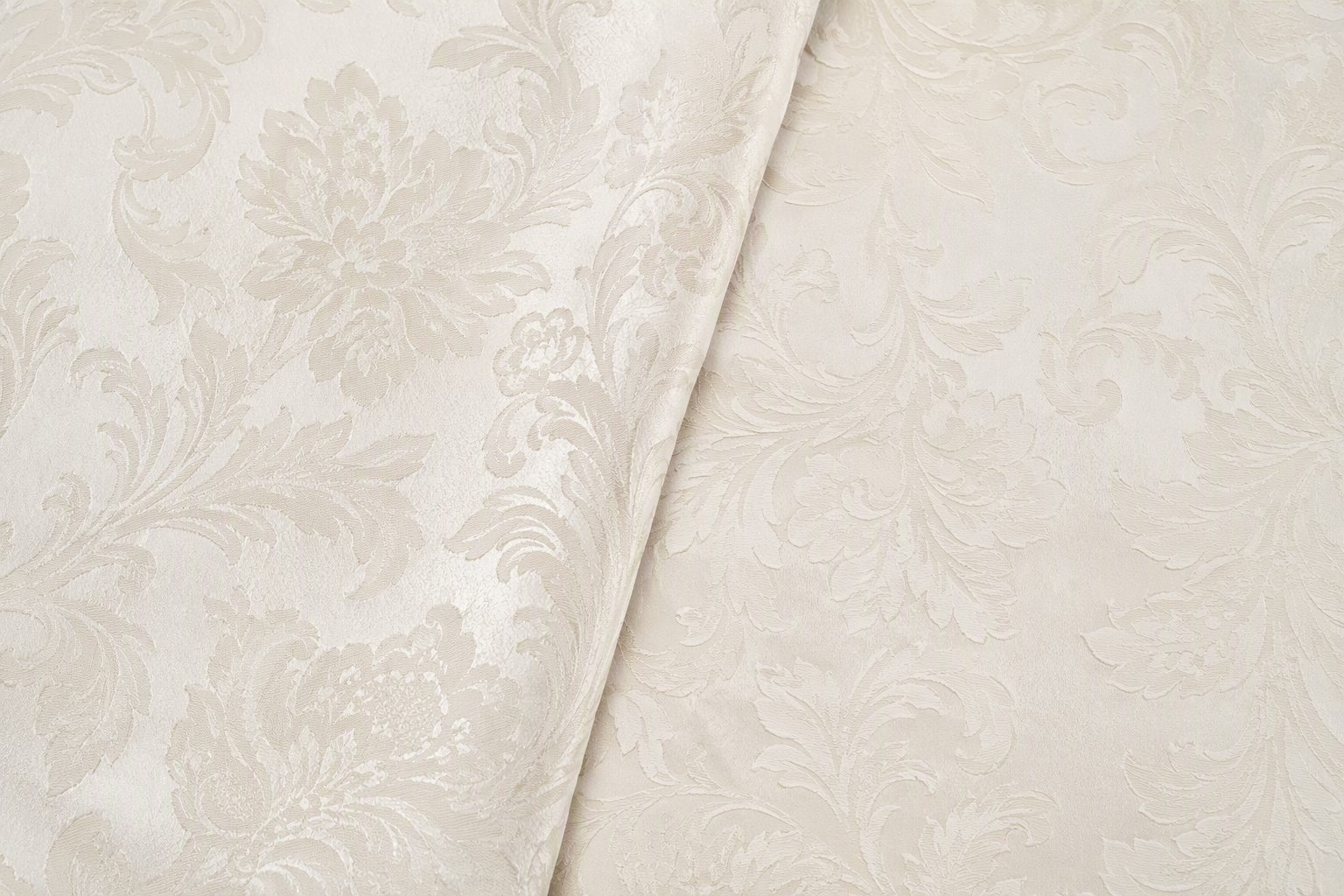
- The damask runs on two faces. The damask is the cloth the motif is read on both faces, and the face that is stated is the one the program is dressed with, the way the reversal is matched to the table.
- The motif reads in reverse on the back. The figured face of the damask reads one way on the front and the opposite on the back, and the reversal that is stated is the one the cloth is approved on, the way the face is run in the program.
- The double-face is the life of the cloth. The damask that is run on two faces is the cloth the program is doubled for, and the face that is run on both sides is the one the life of the cloth is set by, the way the reversal is matched to the program.
- The face is stated on the order. The face that is run on the table is the face that is stated, and the face that is stated is the one the cloth is approved on, the way the reversal is matched to the order.
7. The Edge
- The edge of the damask is the line the fine table is read on. The damask is dressed with the edge that matches the program, and the edge that is stated is the one the cloth is approved on, the way the edge is matched to the fine table.
- The mitered corner is the classic read of the damask. The mitered corner is the edge the damask is known on, and the corner that is stated is the one the cloth is approved on, the way the edge is matched to the program.
- The serged and the bound are the working reads. The serged and the bound are the edges the damask is run on for the commercial program, and the edge that is stated is the one the cloth is approved on, the way the edge is matched to the order. The full comparison of the edge finishes is run in our tablecloth edge finishing guide.
- The edge is the last line of the specification. The edge that is stated is the line the cloth is approved on, and it is the line the sample is read to, the way the edge is matched to the program.
8. Where the Damask Works Best
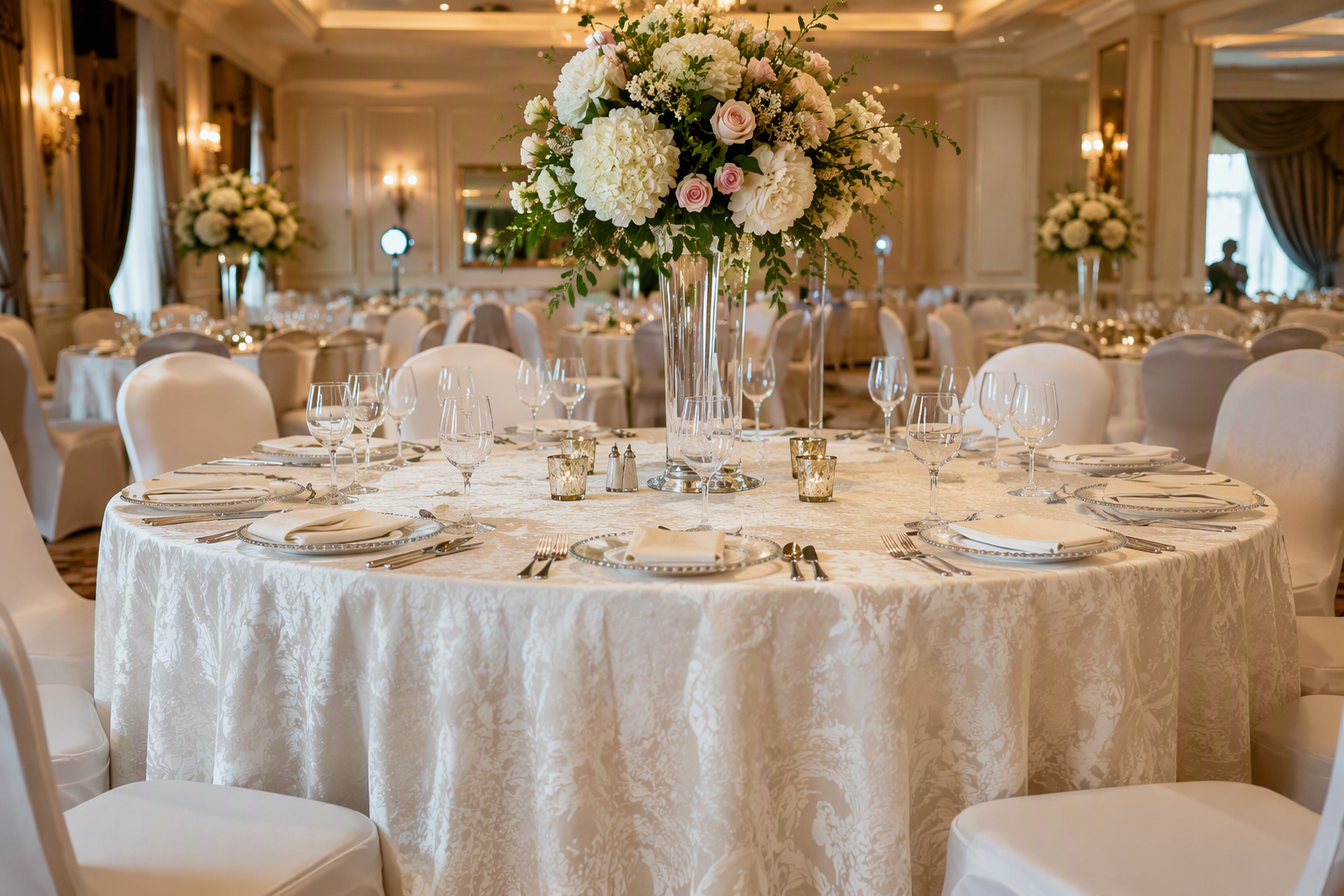
- The fine dining table that wants the woven pattern. The fine dining table is the table the damask is run on, and the motif that is woven is the one the program is dressed with, the way the cloth is matched to the table.
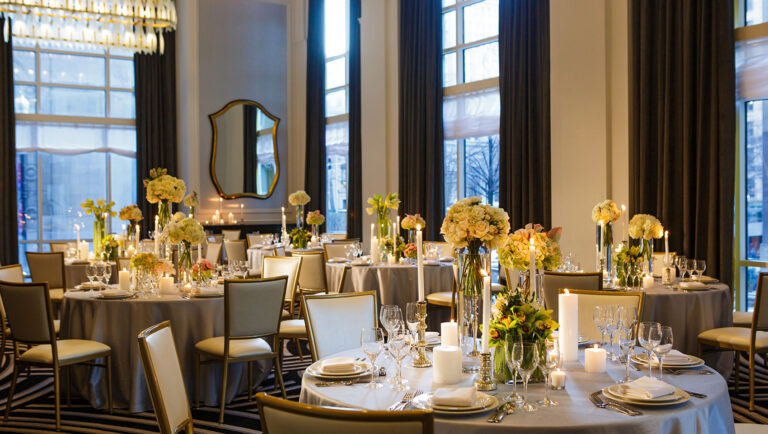
- The hotel and the banquet that want the cloth the photograph is built on. The hotel program is the program the damask is run on, and the damask that is washed and pressed is the one the photograph is built on, the way the cloth is matched to the event.
- The wedding and the formal event that want the program read as the program. The wedding table is the table the damask is run on, and the damask that is stated is the one the event is dressed with, the way the cloth is matched to the program. The damask at napkin scale is run in our damask napkin guide.
- The home program that wants the cloth the table is read on for years. The home is the table the damask is kept on, and the woven motif is the one the program is kept for, the way the cloth is matched to the length of the use.
9. Commercial Washing, Care and the Press
- The woven motif holds the commercial wash. The damask is the cloth the wash is run for, and the motif that is woven is the one the wash is held for, the way the care is matched to the program it is run on.
- The press is the step the damask is set on. The damask is pressed to the face, and the press is the step the sheen difference is set on — the motif that reads by sheen reads best when the cloth is pressed flat, the way the care is run in the program.
- The pilling is the figure the face is kept on. The damask that is run to the weight is the one that pills least, and the face that is kept is the one the program is approved on, the way the quality is matched to the life of the cloth.
- The lot is matched through the program. The damask that is re-ordered is matched to the lot of the first run, and the lot that is matched is the one the program is kept on, the way the colour is run in the program.
10. Damask vs. Jacquard vs. Print
- The damask is the self-coloured figure. The damask is woven from one colour of yarn, and the motif is made by the change of face — the sheen difference is the read. The jacquard is the figure made from several colours of yarn woven together, and the motif is made by the colour. Both are woven, but the damask reads by the face and the jacquard reads by the colour, the way the family is run in the program.
- The jacquard is run in our jacquard tablecloth guide. The jacquard is the cloth the coloured figure is run on, and the damask is the cloth the sheen figure is run on — the two are the woven family, and the one that is stated is the one the program is dressed with.
- The print is the figure on the surface. The printed cloth carries the motif on the face of the fabric, and the motif of the print is the one the wash is lost for. The print is the read of the pattern, and the damask is the read of the weave, the way the family is separated in the program.
- The read in the room is the difference. Walk around the table: the print is read the same from every seat, and the damask moves with the light, the way the weave is run in the room. That is the difference between a pattern that is on the cloth and a pattern that is in it.
11. B2B Specifications for Damask Tablecloths
- State the fabric and the weave first, in writing. The damask is stated as the woven self-coloured cloth, the gsm to the weight, and the face to the read — the three lines that are the first lines of the order, the way the specification is matched to the program.
- Set the motif and the repeat to the table. The motif is stated by the figure and the size, and the repeat across the cloth is the line the table is dressed with, the way the motif is matched to the order.
- Specify the colour, the reversal and the edge to the program. The colour is stated to the lot, the face is stated to the read, and the edge is stated to the program, and the three are the lines the cloth is approved on, the way the specification is matched to the event.
- Approve the sample in the light of the room, washed and pressed. The damask that has not been read in the light has not been specified — the sheen difference is read in the room, and the finished sample washed and pressed is the piece that carries the decision, the way the sample is approved in the program.
12. Damask Tablecloth FAQs
How is the damask different from the jacquard?
The damask is the self-coloured figure — one colour of yarn, the motif made by the change of face, read by the sheen difference. The jacquard is the figure made from several colours of yarn woven together, read by the colour. Both are woven, and both hold the wash; the one that is stated is the one the program is dressed with, the way the family is matched to the table.
How is the damask read from the cloth that is run to look woven?
The damask is read in the light and in the wash. The cloth that is printed or heat-set to imitate the damask reads the same from every seat and loses its surface with the wash; the damask moves with the light and holds the face through the program. The sample read in the room of the program is the one the cloth is approved on.
Which colour should the program start with?
The ivory is the colour the program is started on — the motif is read against it the way it is read on the fine table. The champagne and the gold are the warm reads, and the deep colours are the seasonal and the formal reads. The colour that is stated is the one the program is dressed with, the way the colour is matched to the table.
Is the damask good for the commercial wash?
Yes — the damask is the cloth the commercial wash is run for. The motif that is woven holds the wash the way the printed surface can’t, and the cloth that is run to the weight pills least and presses to the face. The damask that is washed and pressed is the one the program is kept on, the way the care is matched to the life of the cloth.
Final Thoughts
A damask tablecloth is not a cloth with a pattern, it is a cloth with a figure — the motif, the colour, the weight and the reversal, and the care that keeps the face through the program. Get the weave to the order, the motif to the table, the edge to the program and the care to the press, and the damask keeps its sheen, its line and its face for the length of the program it is set on. That is the difference between a table with a pattern on it and a table with a pattern in it.
We supply damask tablecloths to your specification — the fabric and the gsm, the motif and the colour, the reversal and the edge, with a sample read in the light of the room, washed and pressed, before the full run. Contact us for damask tablecloth designs, samples, sizing, MOQs, and wholesale pricing.