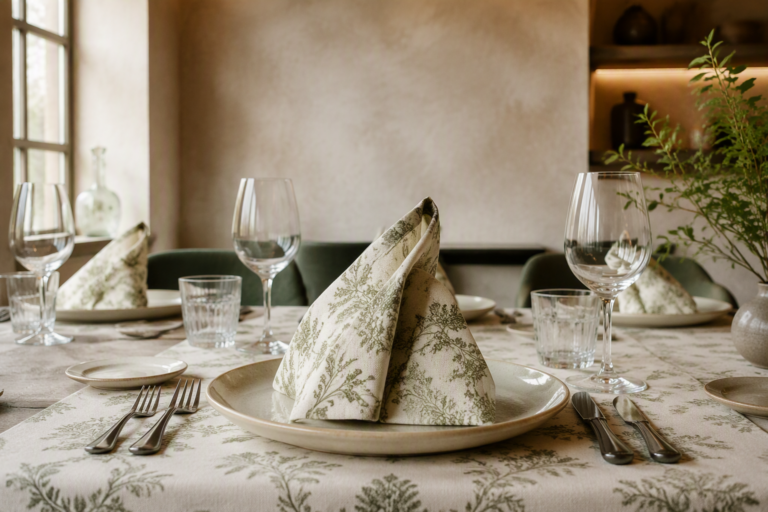
In a hotel or restaurant, a tablecloth is washed more times in a year than a home tablecloth is washed in a decade. It is spilled on, stained, bleached, pressed, and stacked — every day. How you wash and store commercial tablecloths determines whether they last two years or eight, and that difference shows up directly in your linen budget. This guide covers fabric-specific care, commercial washing, stain removal, and storage best practices.
1. Why Tablecloth Care Matters
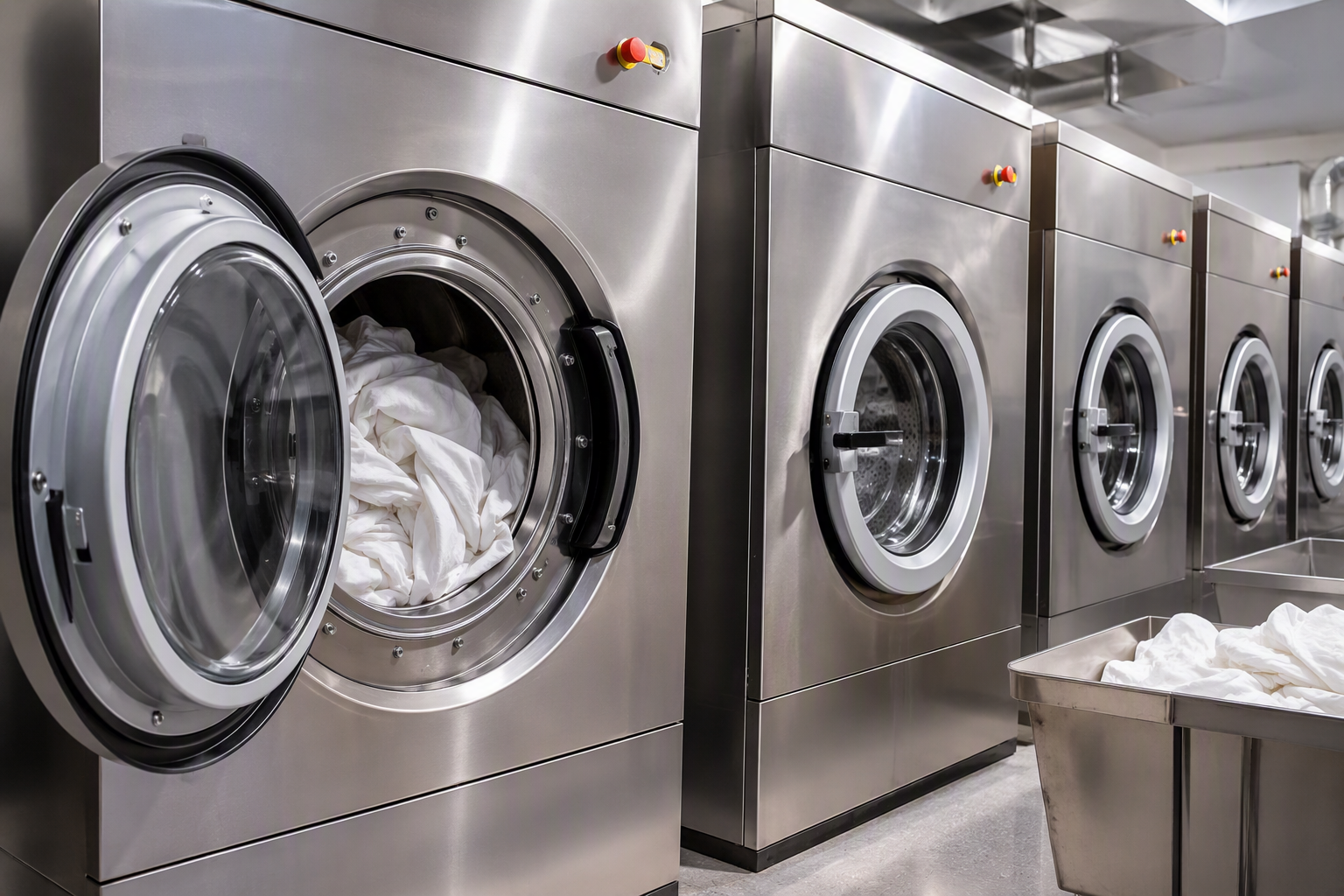
Tablecloths are one of the highest-turnover items in hospitality linen. A banquet tablecloth may be laundered 150–200 times per year, and each wash puts stress on fibers, dyes, and hems. Good care is not just about looking clean — it is about protecting your replacement budget. Stains that are not treated correctly become permanent, bleach misuse turns white linen grey or yellow, and incorrect drying damages elastic and coatings. A few consistent habits extend the life of every cloth you own.
2. Fabric-Specific Care Guide
Different fabrics need different treatment. Follow this quick reference:
| Fabric | Wash temperature | Drying | Notes |
|---|---|---|---|
| Polyester (filament & spun) | Warm – 60°C / 140°F | Low to medium | Wrinkle-resistant; remove promptly to avoid set creases |
| Cotton and cotton blends | Warm – 60°C / 140°F | Medium; iron while damp | Pre-shrunk quality; heavy soiling may need higher temp |
| Linen and linen blends | Cool to warm – 40°C / 104°F | Air or low | Pre-shrunk linen; avoid over-drying to prevent brittleness |
| Fleece and flannel | Cool to warm | Low or air-dry | No bleach; high heat damages the brushed nap |
| PVC / waterproof coated | Wipe clean only | Do not machine dry | Wipe with mild soap and water; never iron or machine wash |
3. The Commercial Washing Process
- Sort before washing. Separate by color (whites, lights, darks), fabric type, and soiling level — never wash them together.
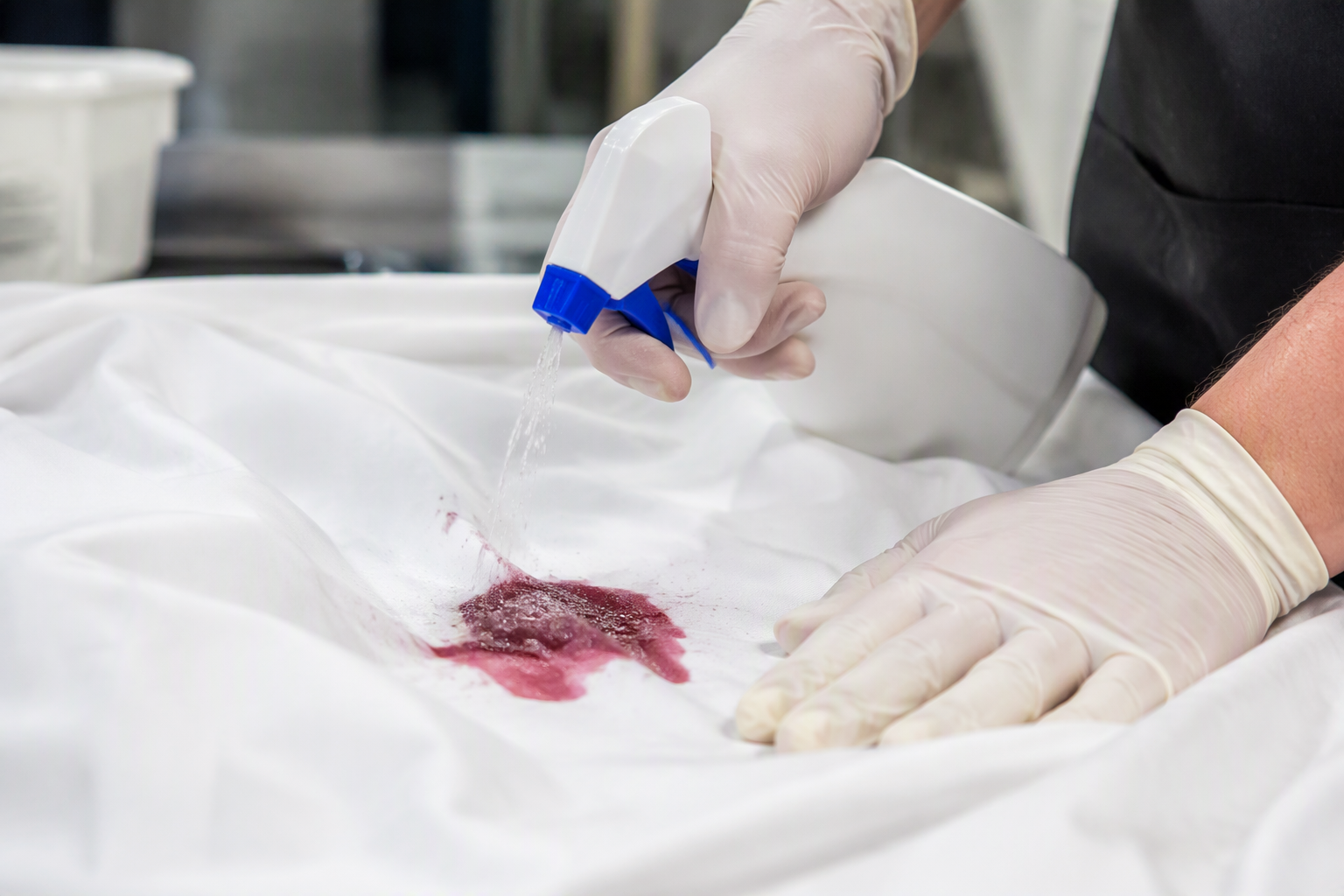
- Pre-treat heavy stains. Apply stain remover or pre-soak to lipstick, wine, grease, and sauce stains before the wash cycle begins.
- Shake out debris. Remove crumbs and solids so they do not grind into fibers during washing.
- Use the right detergent and dose. Follow the manufacturer’s recommendation; over-dosing leaves residue that attracts soil, under-dosing leaves stains.
- Bleach only whites, correctly. Use oxygen bleach for regular loads and chlorine bleach sparingly — over-bleaching yellows whites and weakens fibers.
- Choose the correct cycle. Heavy soil needs a longer main wash; delicate fabrics need a gentle cycle regardless of soil.
4. Stain Removal Quick Reference
| Stain | Treatment |
|---|---|
| Red wine | Blot immediately, flush with cold water, pre-treat with oxygen bleach, wash warm |
| Coffee / tea | Rinse with cold water, pre-treat, wash; for set stains use oxygen bleach soak |
| Grease / oil | Blot, apply degreasing pre-treatment, wash hot with extra detergent |
| Lipstick / makeup | Pre-treat with stain remover or alcohol-based cleaner before washing |
| Tomato / sauce | Scrape off excess, flush cold, pre-treat, wash promptly |
| Ink / pen | Treat with rubbing alcohol, blot, then wash; act fast |
5. Drying and Pressing
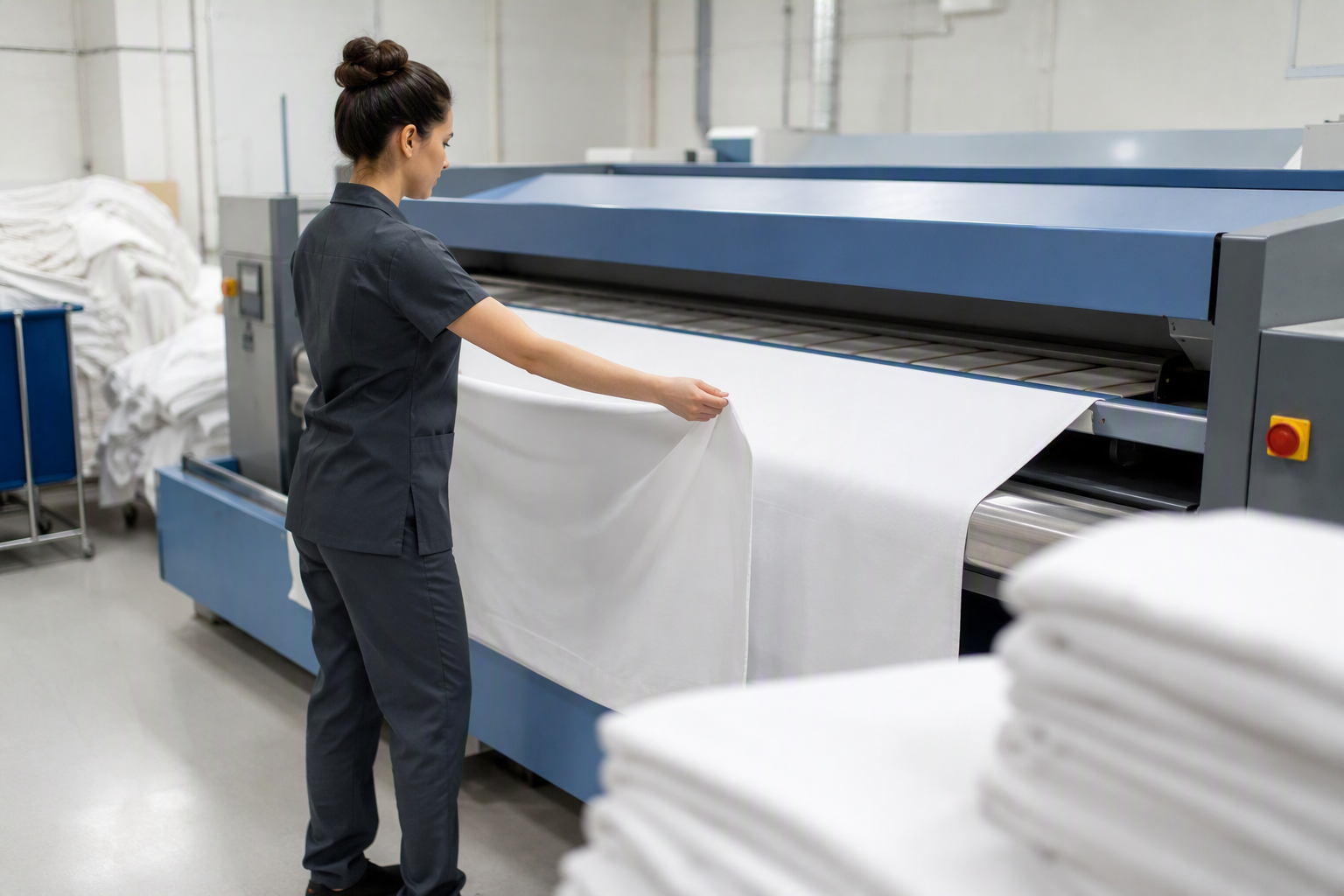
Proper drying prevents the two most common commercial problems: set-in creases and heat damage. Tumble dry polyester and blends on low-to-medium heat and remove them promptly. Cotton and linen are best pressed with a flatwork ironer (mangle) while slightly damp for a crisp finish. Never over-dry linen — it becomes brittle. For polyester that comes out creased, a low-heat press or steam removes wrinkles without damaging the fabric.
6. Storage and Inventory Rotation
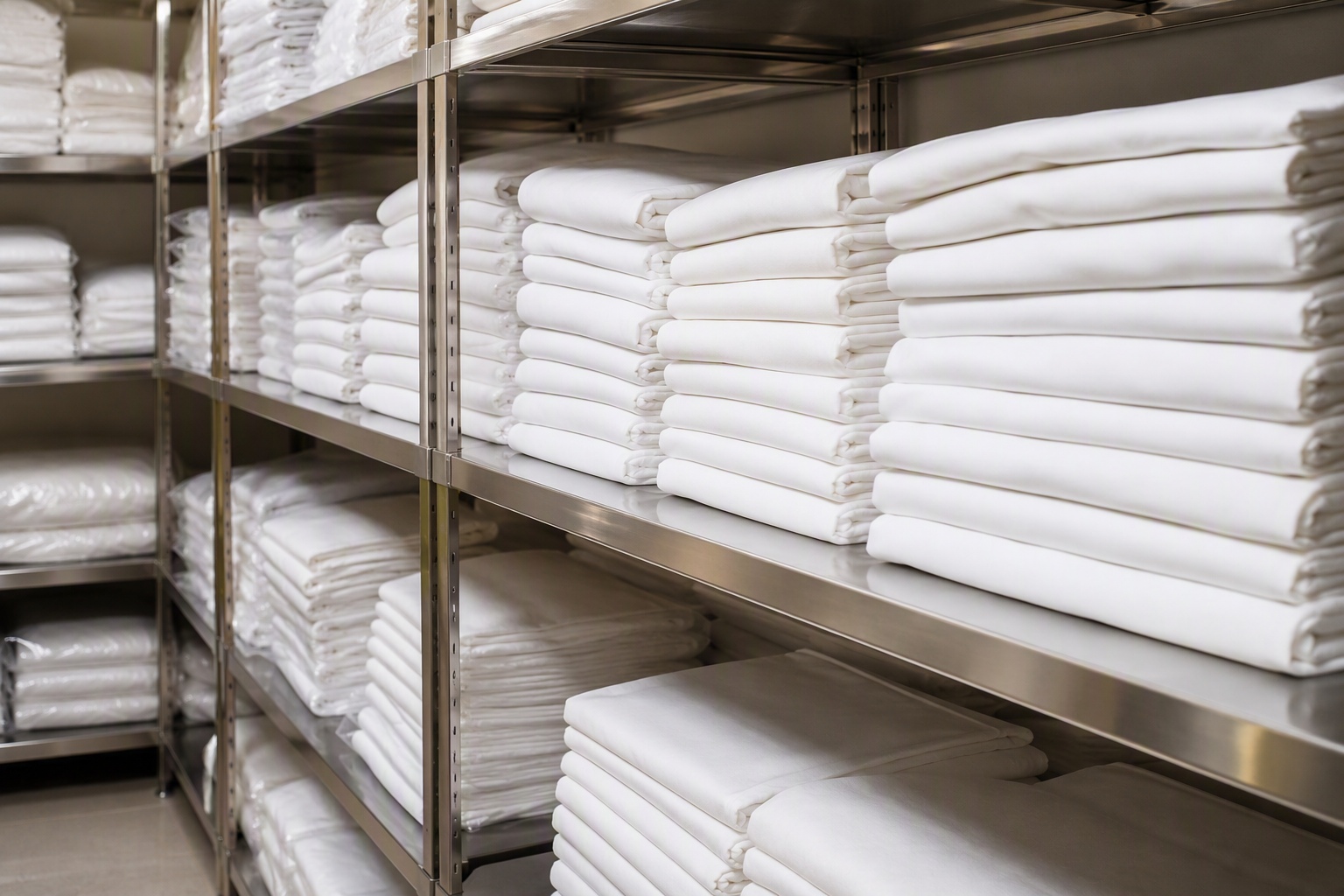
- Fold consistently. Fold along the same lines each time to distribute wear evenly and reduce permanent crease damage.
- Store in a dry, clean area. Humidity causes mildew and yellowing; sunlight fades colors over time.
- Keep chemicals away. Store linens away from cleaning supplies — fumes and spills damage fabric.
- Rotate stock (FIFO). Use older cloths first so the whole inventory ages evenly instead of a few cloths wearing out fast.
- Inspect on the way in and out. Check for new stains, tears, or wear at the laundry and at the linen room to catch damage early.
- Separate damaged pieces. Pull torn or badly stained cloths for repair or repurposing before they contaminate clean stock.
7. Common Damage and How to Prevent It
- Grey or yellow whites. Caused by over-bleaching, mineral buildup, or residue — use correct bleach dosing and periodic stripping washes.
- Pilling. Abrasion in the wash — wash like fabrics together and avoid overloading machines.
- Frayed hems. Wear from folding, pressing, and handling — inspect hems and repair small damage before it spreads.
- Set creases. Leaving cloths in the dryer or under weight — remove promptly and fold along clean lines.
- Coating damage on waterproof cloths. Machine washing and ironing destroy PVC coatings — wipe-clean care only.
8. Tablecloth Care FAQs
How often should commercial tablecloths be washed?
After every use. High-turnover venues run cloths through daily; for banquet cloths that were only set decoratively, wash after each event to remove dust and handling soil.
Why do my white tablecloths turn grey?
Grey whites usually come from residue buildup, washing with colored items, or mineral content in hard water. Use proper detergent dosing, separate whites, and run an occasional stripping or descaling wash.
Can I machine-dry PVC or waterproof tablecloths?
No. Machine drying and ironing damage the waterproof coating. Clean them by wiping with mild soap and water, and air-dry flat.
How many spares should I keep in rotation?
A spare ratio of 10–15% is standard for hotels and caterers — enough to cover daily turnover, stains in process, and laundry cycle times without running short.
Final Thoughts
Commercial tablecloths work hard, and they last longest when care is consistent: sort and pre-treat before washing, dry and press correctly for the fabric, store clean and dry, and rotate your inventory. These habits protect your linen investment — and keep every table looking its best for the life of the cloth.
Need tablecloths built for commercial laundering? We manufacture and customize tablecloths, runners, napkins, and event linens in our own factory, engineered for hotel and restaurant wash cycles. Contact us for fabric recommendations, samples, MOQs, and wholesale pricing.