Ask a kitchen to name the cloth it trusts and most will answer with the same word: cotton. It is the natural fiber that carries the classic white of a fine-dining table, it takes the commercial wash the way no synthetic asks it to, and it is the ground that every other decision in the program — the colour, the size, the edge — sits on. But cotton is also the fiber that is most easily specified wrong. The cotton cloth that looks identical to its polyester rival on the hanger can fall short in the program: it shrinks, it pills, it loses its white a wash ahead of the cloth next to it. This guide is about specifying cotton the way a program needs it — the weave, the weight, the colour, the shrinkage and the care — so the cotton tablecloth is the cloth the program is built around, not the one that retires first.
1. Why Cotton Is Different on the Table
- Cotton is the honest natural fiber. It carries the matte, lived-in look that reads as made, not manufactured — the look a fine-dining table is built on. Where a synthetic sheen says plastic, the cotton surface says cloth, and the difference is the first thing a guest’s eye reads on the table.
- It drinks and breathes the way a program needs. Cotton absorbs moisture instead of beading it, so the spill that sits on a synthetic dries into the cotton and presses out. The breathability matters in a busy room, and it is why the cotton table is the cool one, the comfortable one, under the glass and the china.
- It is the ground the color sits on. The white of a cotton cloth is the white the program’s colors are judged against, and the natural ecru is the neutral the accents are set off by. A lot of the color work in the program only reads well because the ground under it is cotton.
- It is the sustainable answer. Cotton is natural, biodegradable and grown in volume, and the buyer who is asked to account for the program’s footprint has an honest answer in the fiber. It is the cloth that ages out of the program into the drawer, not into the waste.
2. Pure Cotton, Cotton-Linen and Poly-Cotton
- Pure cotton is the classic. The 100% cotton cloth is the fine-dining standard — the soft matte ground, the absorbency, the look. It is the one the program is built around, and the one the color program and the care program are tuned to.
- Cotton-linen is the textured classic. The cotton-linen blend carries the slub and the texture of the flax with the manageability of the cotton — the cloth that reads as natural and as made, at the price of a little more shrinkage and a little more texture in the hand. It is the step up from the plain cotton for the table that wants the look of the linen at the work of the cotton.
- Poly-cotton is the workhorse. The blend that carries cotton’s look with the polyester’s wash durability — the cloth that pills less, shrinks less and holds its white longer, for the table that runs more covers and more washes. It is the honest middle, and it is the one to specify when the program’s wash count is the number that matters.
- The blend is the decision, not the default. The fiber mix is what the program is actually buying — the look, the work and the life of the cloth. It is stated in the specification, on the sample and on the order, so the cotton that arrives is the cotton that was approved.
3. The Weaves That Work on a Table
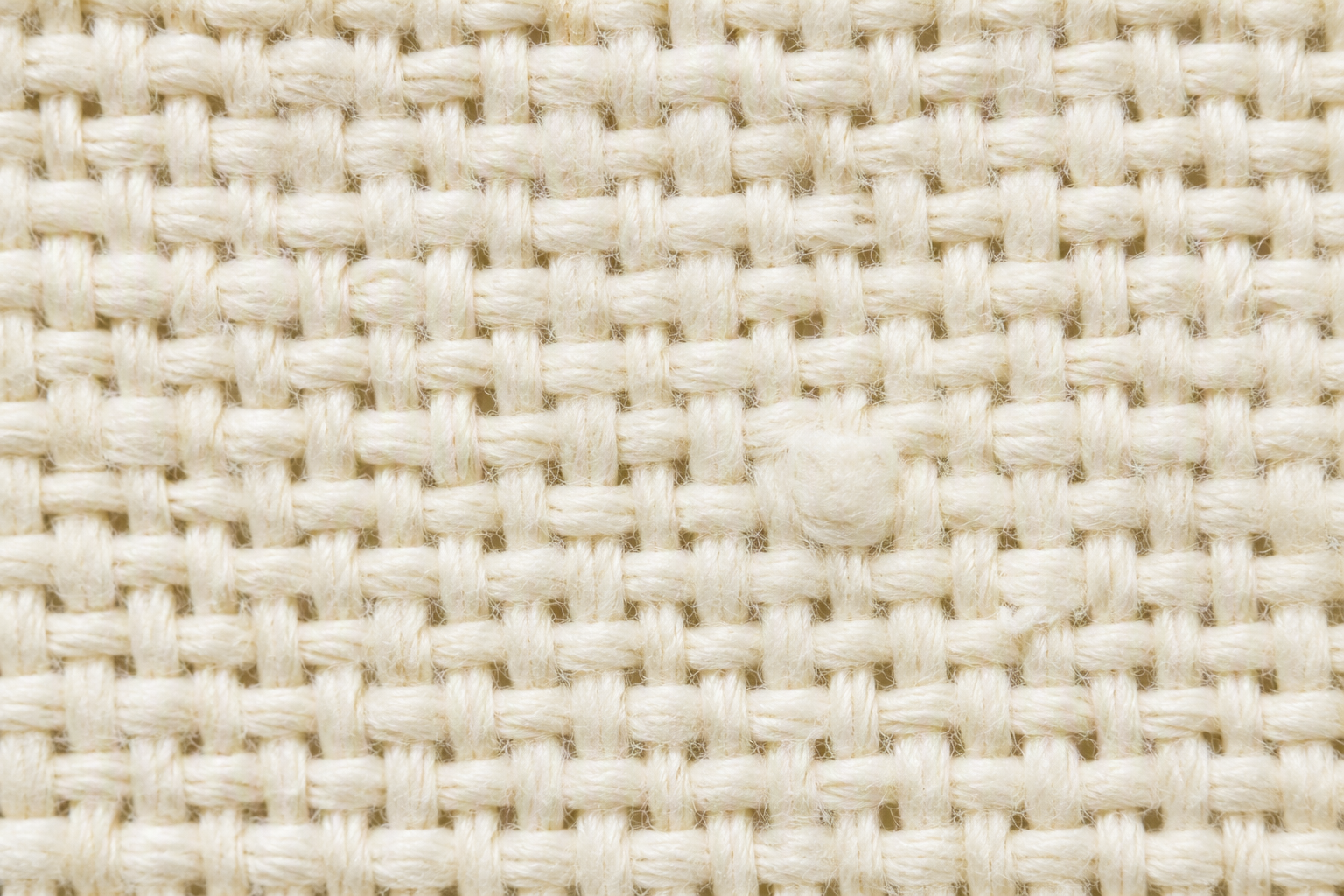
- Plain weave is the default. The tight, even over-under basket is the weave the commercial cotton tablecloth is built on — the ground that holds its size, takes the press and shows the color true. When the spec says cotton and nothing else, the cloth under it is almost always plain weave.
- Twill carries the soft hand. The diagonal weave lies softer and drapes a little fuller, and it is the weave the heavier cotton cloths move to. The twill reads as a touch more refined, and it is the one to look at when the program wants the drape with the natural fiber.
- Slub brings the texture. The irregular yarn in the slub weave is the cloth that says linen without the flax — the textured ground for the table that wants the natural look with the cotton work. The slub is the texture decision, and it is made the same way the weight is: to the look the program is buying.
- The weave is read on the flat, not the hanger. The same cotton in three weaves reads three different cloths on the table. The weave is confirmed on the sample, laid flat under the program’s light, before the run is released.
4. Weight and the Drop It Holds
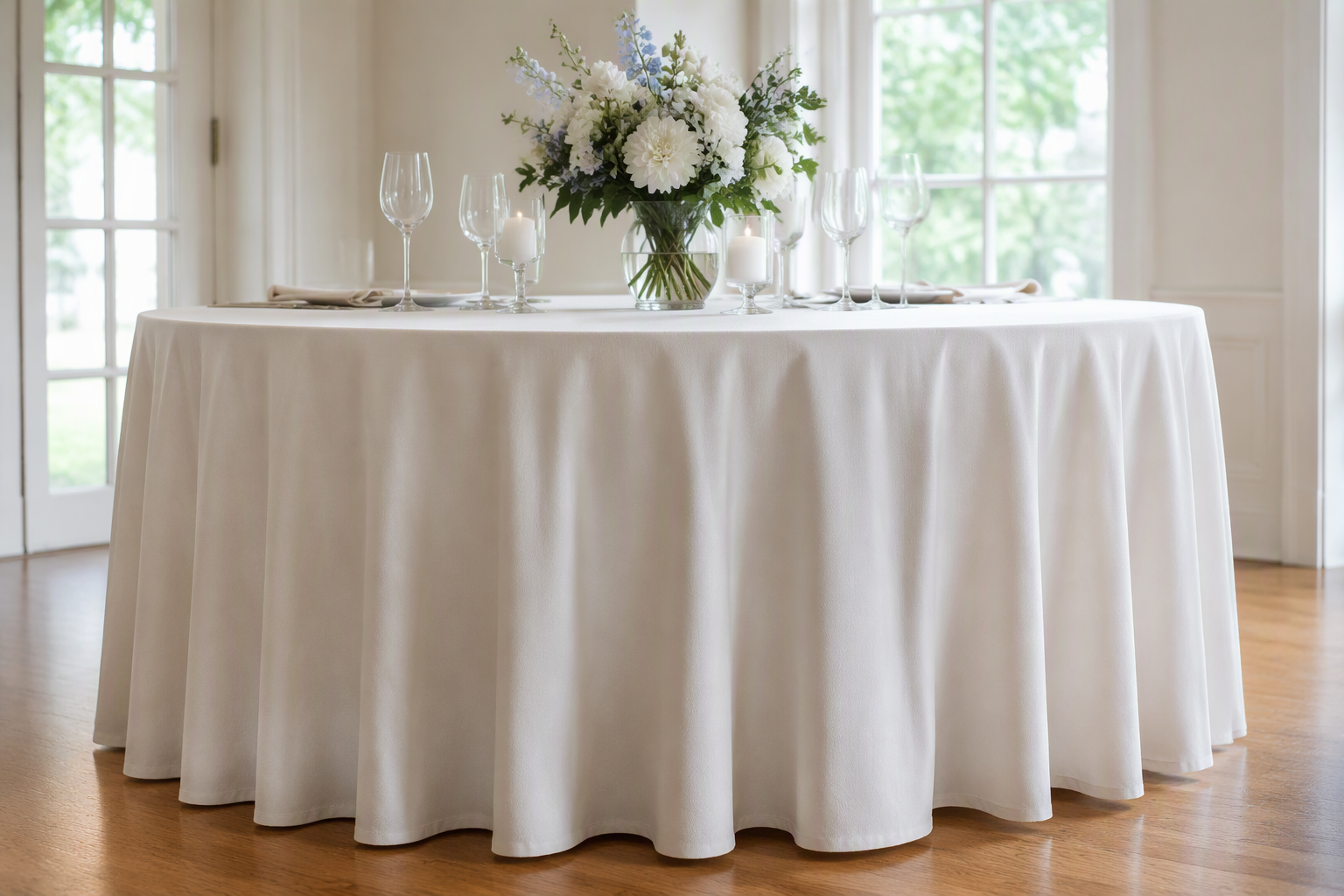
- The weight sets the drop. A light cotton floats and shifts with the service, and a heavy cotton sits and holds the line of the drop. The weight of the cloth is the number behind how it behaves on the table, and it is the one to match to the size, as the sizing is done in the size guide.
- The weight sets the life. The heavier the cloth, the more fiber there is for the wash to wear against, and the longer the cotton holds its hand and its look through the program. The light cloth that works for the home table can fall short in the commercial one, and the weight is chosen to the wash count, not the budget line.
- The weight is the gsm, not the feel. The grams per square meter is the figure the factory works to and the one the sample is checked against, and it is the number stated on the spec so the cloth that arrives is the weight that was approved.
- Heavier is not always better. The weight that is too high is the cloth that is hard to lift for the changeover, heavy to wash and slow to press, and the program pays for it every service. The weight is the balance between the drop it holds and the work it takes.
5. Colour and the Bleach
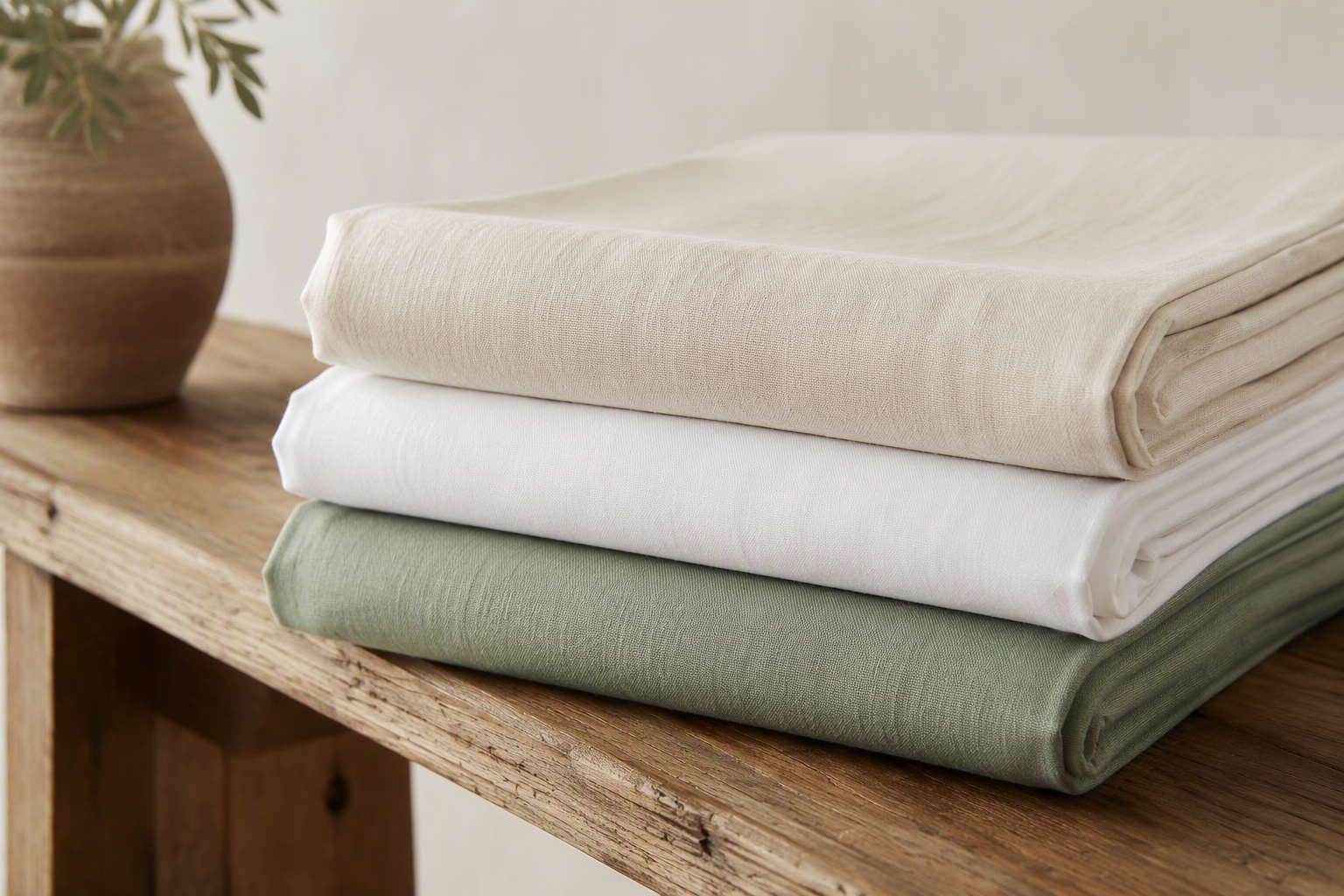
- Natural ecru is the untouched cotton. The ecru cloth is the cotton as it comes from the mill — the warm, natural off-white that reads as honest and as made. It is the ground of the program that wants the natural look without the work of the flax, and it is the neutral the accent colors are set against.
- The bleached white is the classic, and the bleach is the decision. The bright white is the fine-dining standard, and the way it is made is the specification — the optical brightener that pushes the white crisp and cool, and the plain bleach that leaves the softer, warmer white. The two read different whites on the same table, and the one the program wants is the one that is sampled.
- The colour takes the wash. The tinted cotton is dyed, and the dye is chosen to the wash it will run — the colorfastness is tested to the program’s cycle, and the cloth that holds its color through the count is the one that is specified to it.
- The lot is the colour, and the lot is matched. Cotton runs by dye lot, and the lot that is not matched is the program that shows a shade line across the tables. The lot match is a line on the order, not an afterthought, and it is the one the sample is cut from.
6. Shrinkage: The Number Before the Cut
- Cotton shrinks, and the shrinkage is planned, not discovered. The natural fiber moves in the first washes, and the program that does not plan for it is the one that finds its sizes a hand narrower after the break-in. The shrinkage is worked into the cut, and it is the reason the finished size is the number the spec carries, not the cut size.
- Pre-shrunk is the commercial standard. The cloth that is shrunk before it is cut — the pre-shrunk, the sanforized ground — is the one that holds its size through the program, and it is the default for the commercial tablecloth. The spec states the finish, and the sample is checked to it.
- The shrinkage is tested on the sample, not promised on the sheet. The percentage is a figure the sample proves — the cloth is washed to the program’s cycle and measured, and the shrink it takes is the number the cut is set to. The sample that has not been washed has not been specified.
- The size holds once the shrink is out. A cloth that is shrunk on the sample and cut to the finished size is the cloth that stays the size the program is set to, wash after wash. The shrinkage is a step in the specification, and it is the step that keeps the size true.
7. Cotton in the Commercial Wash
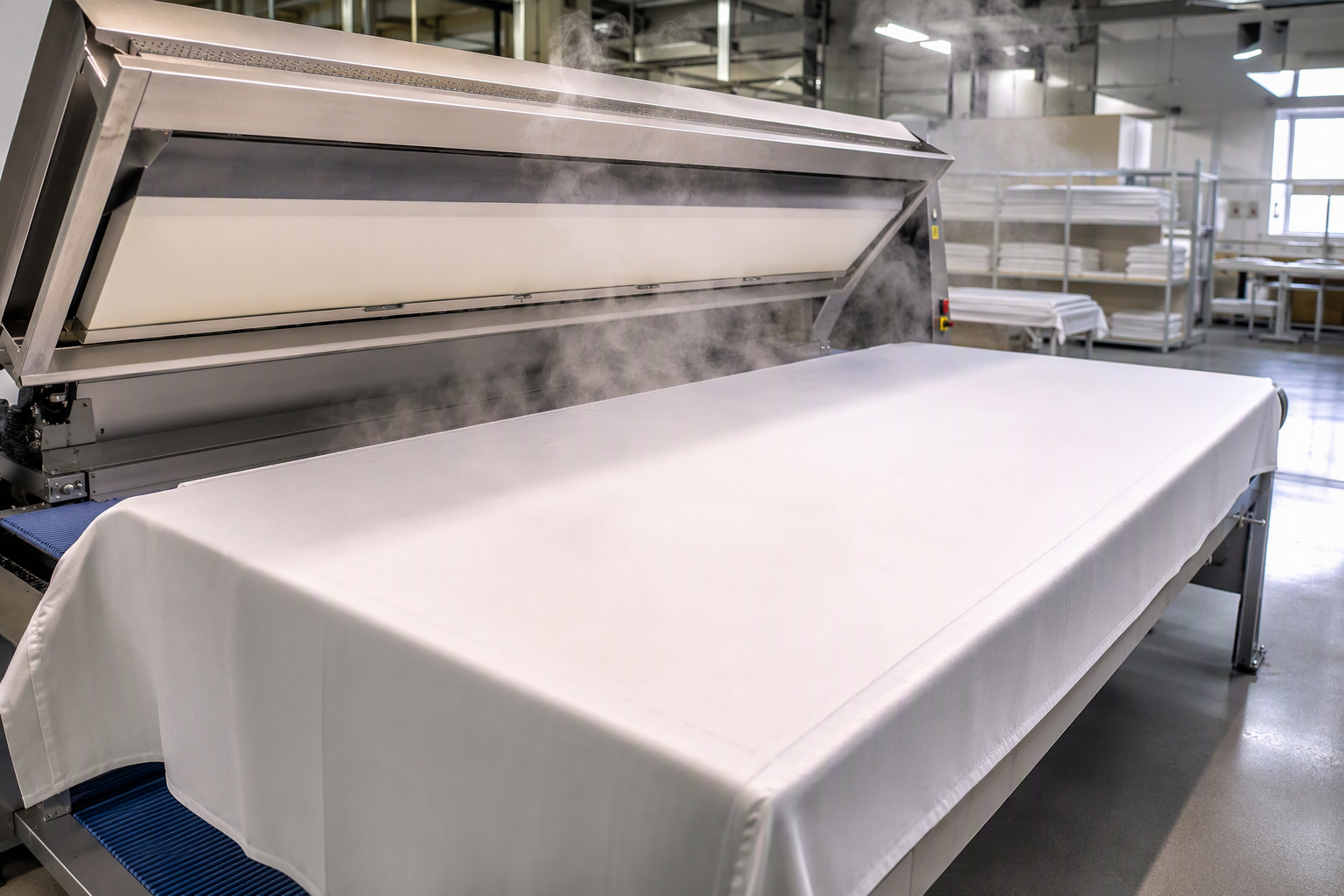
- The wash is run to the cloth, not above it. The temperature, the chemical and the handling are set to the cotton and its finish, and the program that runs the cotton at the synthetic’s settings is the one that pays for it in the life of the cloth. The care is specified with the cloth, and the laundry runs to the spec.
- The press is what the cotton is for. The cotton table is the pressed table — the steam that flattens the natural fiber into the crisp white is the look the program is built on. The press is the step that turns the washed cotton into the tablecloth, and it is run to the weight, as the heavier cloth takes the deeper press.
- White is the cotton that shows its age. The white of the cotton cloth is the one that fades, yellows and picks up the ring of the program, and the white that holds is the one that is bleached and washed to it. The white is the number the cotton is judged on, and it is the one the care is run to protect.
- The count is the life, and the count is the comparison. The cotton is bought for a wash count, and the count it holds — the hand, the white and the size — is the figure it is compared against the poly-cotton and the polyester. The cloth that holds its program to the last count is the one that earns the natural fiber.
8. Where Cotton Tablecloths Work Best
- The fine-dining table that is built on the white. The pressed cotton white is the table of the room the program is judged on — the ground the china and the glass sit on, and the cloth the color of the room is set against.
- The hotel banquet that runs the classic. The cotton is the cloth of the banquet that wants the traditional look at the volume of the event, and the pre-shrunk cloth is the one that holds the size across the room of tables.
- The bistro and the café that want the natural look. The ecru and the slub cotton are the cloths of the room that reads as natural and as warm — the ground of the table that wants the made look without the flax.
- The home program that wants the cloth to last. The cotton cloth at home is the one that is washed and re-washed and passed down, and the weight and the weave that hold the look are the ones the home program is bought for.
- The event that wants the classic, not the statement. The cotton is the cloth of the event that wants the table to read as proper and as made — the ground under the styled setting, and the one that carries the monogram and the border when the program is embroidered.
9. B2B Specifications for Cotton Tablecloths
- State the fiber and the blend in writing. The cotton is specified to the content — the pure, the cotton-linen, the poly-cotton — and the content is the first line of the order, so the cloth that arrives is the fiber that was approved.
- Fix the weave and the weight. The weave and the gsm are the two figures the cloth is built on, and they are stated on the spec so the sample is checked to them and the run is cut to them.
- Confirm the colour and the finish. The ecru, the bleached white, the tinted — and the finish of the bleach, the pre-shrunk and the lot — are the figures the color is set by, and they are the ones the sample is cut from and the order is matched to.
- Approve a washed, pressed finished sample. The cotton that has not been run through the program’s wash and press has not been specified — the finished sample, washed to the count and pressed to the table, is the piece that carries the decision, and the flat, unwashed swatch is only the starting point.
- Set the size to the finished, not the cut. The shrinkage is worked into the cut, and the size on the order is the size the cloth will be after the break-in, so the program is set to the cloth it will actually run, not the one it ships as.
10. Cotton Tablecloth FAQs
Is cotton or linen the better tablecloth?
They are different cloths, and the better one is the one the program is built for. The cotton is the softer, more absorbent ground, the one that presses to the crisp classic white and takes the commercial wash at the work the program runs. The linen carries the slub and the texture that reads as more made, at the price of a little more shrinkage and a harder press. The fine-dining white is the cotton’s table, and the textured natural look is the linen’s — the choice is the look the program is buying, and it is made on the sample, side by side, under the room’s light.
Why does cotton shrink, and how is it kept to size?
Because the natural fiber moves as it takes its first water, and the cloth that is not planned for it is the one that runs narrow after the break-in. The fix is the pre-shrunk finish, where the cloth is shrunk before it is cut, and the size that is specified to the finished cloth, not the cut. The shrinkage is tested on the sample, washed to the program’s cycle, and the cut is set to the number the sample proves — so the cloth that arrives is the size the program is set to.
How is cotton compared to polyester on cost and life?
Cotton is the natural fiber, and it carries the look and the feel the program is built on — the matte ground, the absorbency, the pressed white. The polyester is the workhorse that holds its shape, its color and its size through more washes, at the work the cotton asks for more of. The honest comparison is the cloth to the cloth, on the sample and on the count — the cotton that holds its program to the last wash earns the natural fiber, and the poly-cotton is the step that buys the cotton’s look with the polyester’s life.
How do you keep a white cotton cloth white?
By running the wash to the white, not above it. The temperature and the bleach are set to the cloth and its finish, the chemical is matched to the white it is meant to hold, and the handling is the one that keeps the ring and the spot out of the ground. The white that fades is the white that is washed wrong, and the white that holds is the one the care is specified to protect — the same way the cloth is specified to the program, the wash is specified to the cloth.
Final Thoughts
A cotton tablecloth is the program’s ground — the cloth the size, the color and the care all sit on, and the one the program is judged on. Get the fiber to the look, the weave to the hand, the weight to the drop, the colour to the bleach and the shrinkage to the cut, and the cotton cloth holds its white and its size through the count it is built for. That is the difference between a cloth that is cotton and a cloth that is the program.
We supply cotton tablecloths to your specification — the fiber and the blend, the weave and the weight, the colour and the finish, with the shrinkage worked to the finished size and a washed, pressed sample approved before the full run. Contact us for cotton tablecloth designs, samples, sizing, MOQs, and wholesale pricing.