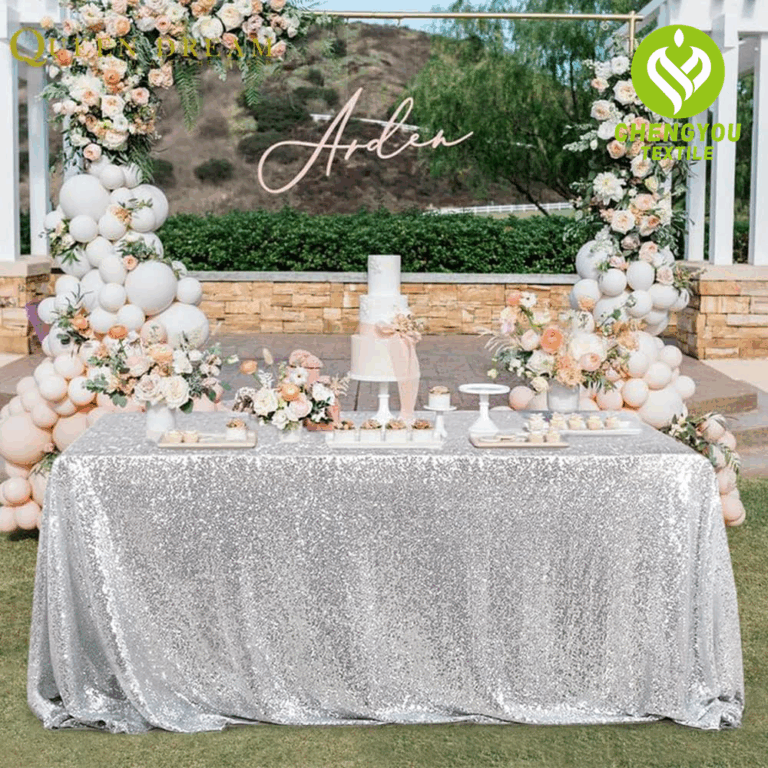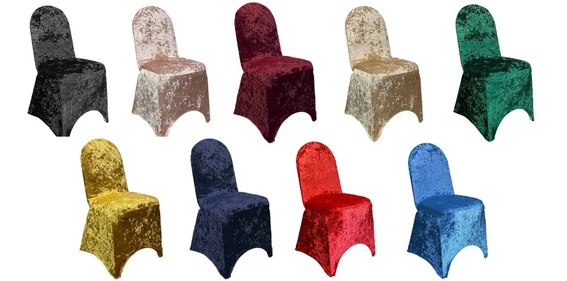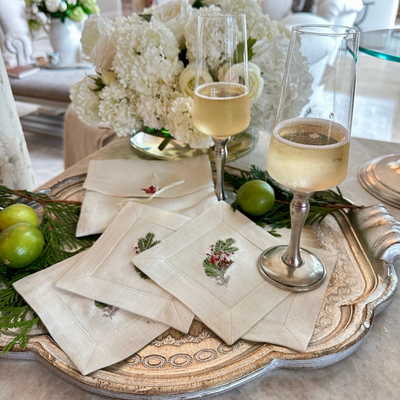
Most tablecloth buyers start by choosing a size and a fabric from what a supplier already stocks. Then they hit the limits of that approach: the table is a non-standard size, the interior was designed in a specific colour, or the brand needs to appear on the table itself. That is where custom production begins — and it is usually where the real value sits.
1. Why Custom Table Linens Are Worth It
- Brand consistency: A logo on the table carries a brand through the whole room — visible in every guest photo, every event, and every table setting.
- A proper fit: Non-standard tables, unusual drops, and bespoke furniture are all solved by producing to a measured dimension rather than adapting a stock size.
- Colour control: Venues designed around a specific palette usually cannot source that exact shade from stock. Custom dyeing or colour matching makes the linen part of the design instead of a compromise.
- Durability specification: Commercial buyers can specify the fabric weight and finish that suits their wash cycle, rather than accepting whatever a stock item happens to use.
- Commercial differentiation: For retailers and distributors, private-label linen is a product that cannot be compared line-for-line against a competitor’s catalogue.
2. The Six Things You Can Customize

- Size: Any finished length and width, cut to a measured table plus the drop you specify — including round, oval, and square formats.
- Fabric: Cotton, linen, spun polyester, jacquard, yarn-dyed checks, coated fabrics, and blends — chosen for the service style and the laundry.
- Colour: Dyed to a reference swatch or a specified colour standard, with dye-lot control across repeat orders.
- Branding: Embroidery, printing, woven jacquard marks, or sewn-in woven labels — see the comparison below.
- Finish and edge: Mitered corners, hem width, overlock or bound edges, and serging, all specified to the buyer’s standard.
- Packaging and labelling: Private-label tags, barcodes, hangtags, polybags, and retail-ready presentation for distributors and retailers.
3. Branding Methods Compared
| Method | How it works | Durability | Best for |
|---|---|---|---|
| Embroidery | Thread stitched directly into the fabric | Highest — survives repeated commercial laundering | Hotels, restaurants, clubs, uniforms and table linen that must last |
| Screen printing | Ink pressed through a screen, one colour per pass | Moderate — can fade or crack over many washes | Bold single or few-colour logos on high volumes |
| Digital printing | Design printed directly onto the fabric, full colour | Moderate — best on lighter-use and decorative pieces | Multi-colour artwork, patterned designs, event and promotional linens |
| Jacquard woven logo | The mark is woven into the fabric structure itself | Highest — it cannot wash off or peel | Premium programs, damask-style borders, long-life collections |
| Sewn-in woven label | A woven label stitched to hem or corner | High, and replaceable | Private label, retail branding, size and care information |
Two practical rules: embroidery and woven marks are the right choices for linen that will be laundered commercially many times, while printing is better suited to event use and decorative pieces. And a brand mark placed on a hem or corner inevitably wears faster than one placed in the field of the cloth — position matters as much as method.
4. Colour Matching and Dye-Lot Control
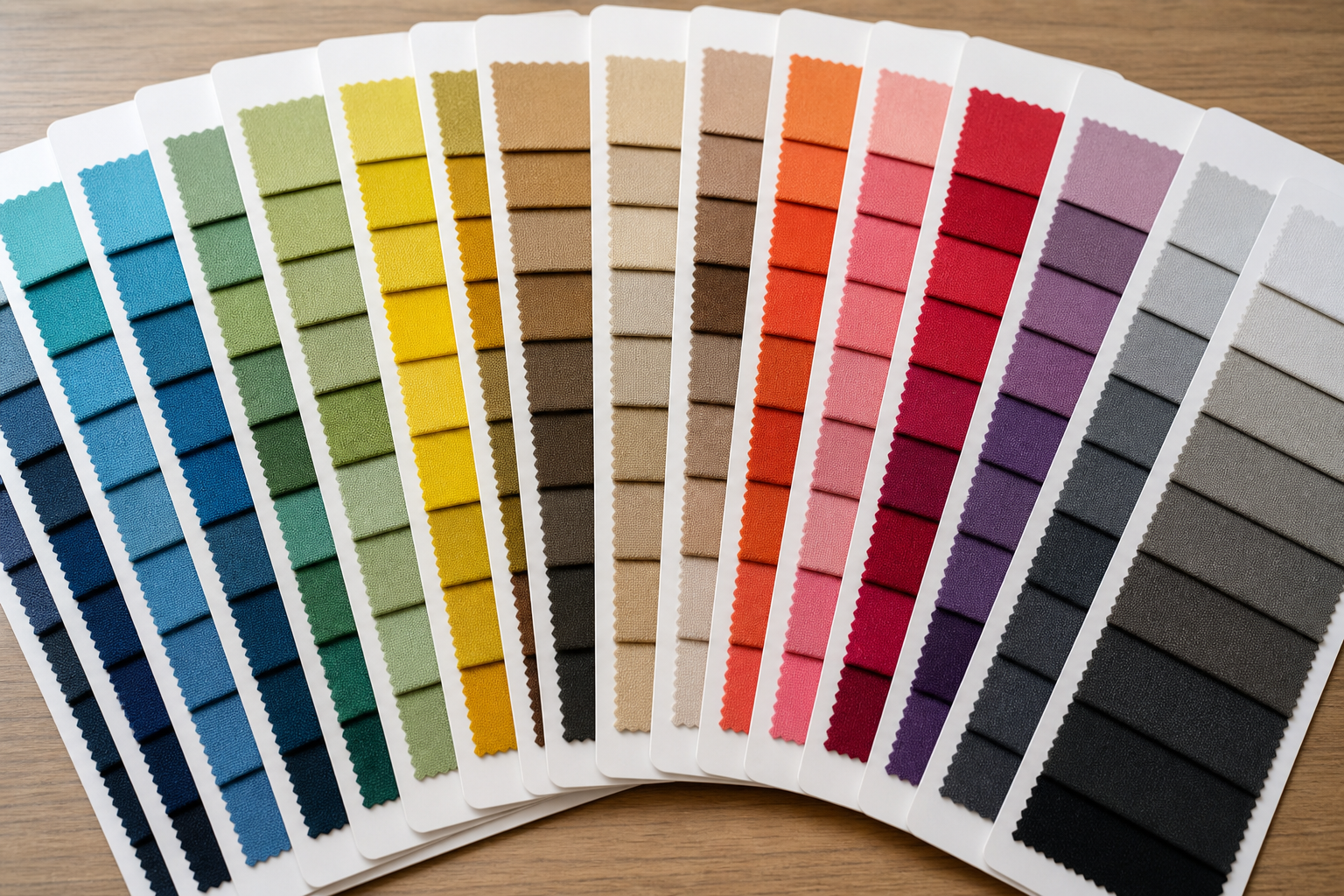
- Send a physical reference. A pantone number, a thread snippet, or a fabric swatch from the interior scheme is far more reliable than a colour described in words or shown on a screen.
- Expect a lab dip. Reputable factories produce a small dyed sample for approval before bulk dyeing, which is the single most effective way to prevent a colour dispute later.
- Approve under the right light. Colour shifts between daylight and indoor lighting; approve the dip in the lighting the linen will actually be seen in.
- Ask about dye lots. Different production runs can vary slightly even when dyed to the same standard. For repeat orders, specify the original dye lot or accept a controlled tolerance.
- Order everything together. Tablecloths, runners, and napkins from one run will match; ordering them separately across seasons is where mismatches appear.
5. Custom Sizing and Non-Standard Tables
- Measure the table, not the old cloth. Send the actual table dimensions and the drop you want at each side; if a cloth already fits well, send its measured dimensions too.
- Note the shape. Round, oval, and square tables need different construction; an oval cloth is not a scaled-up round one.
- Check the corners on rectangular tables. Long drops on wide tables are where corner construction and fabric width limits start to matter — raise it early with the factory.
- Confirm finished versus cut size. Always agree which dimension is being quoted, since shrinkage and hemming change the finished measurement.
- Account for shrinkage. Specify whether the fabric is pre-shrunk, and build tolerance into the order rather than discovering it after the first wash.
6. Sampling, MOQs and Lead Times
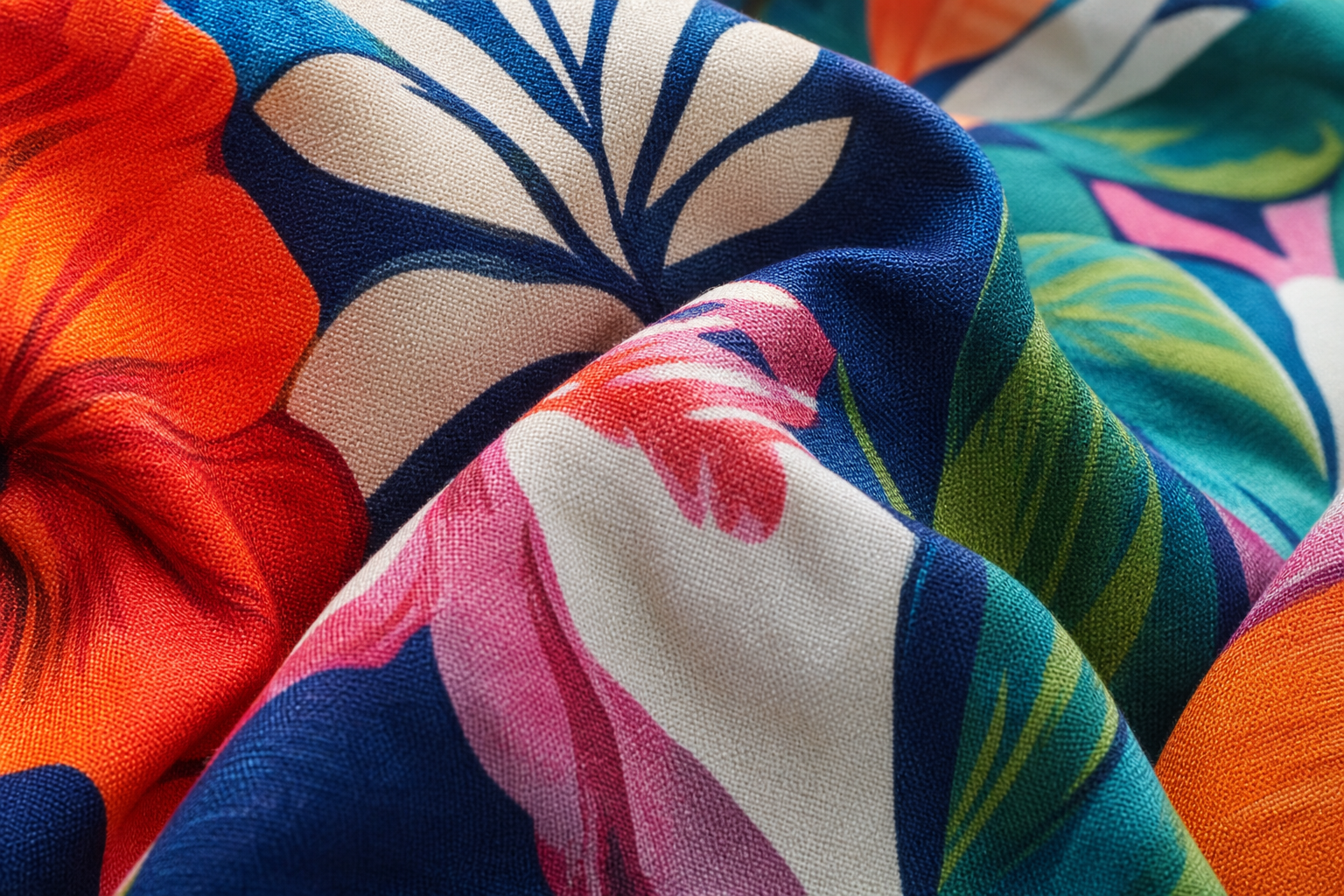
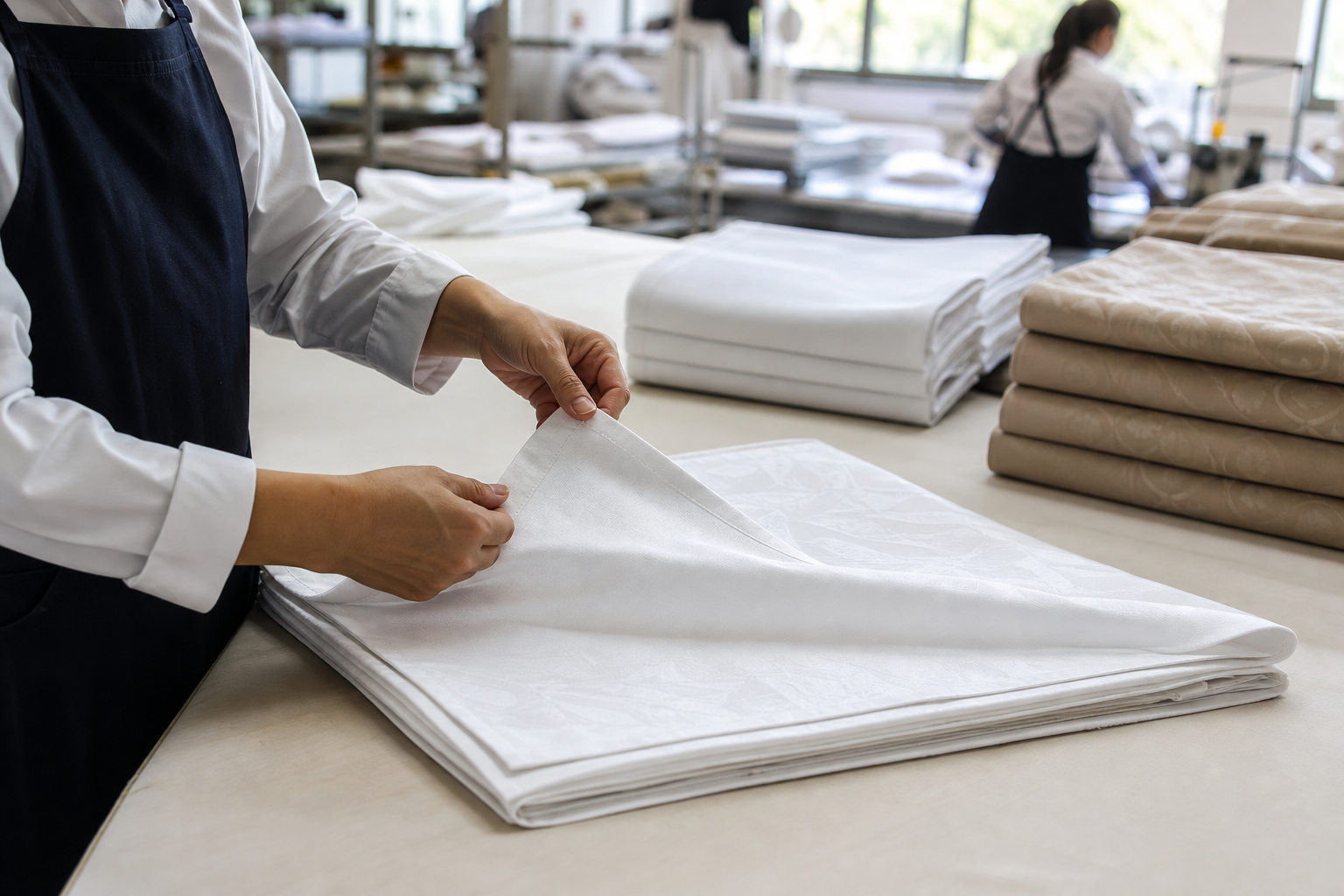
A typical custom development runs through a predictable sequence: brief and specification → lab dip or fabric swatch approval → pre-production sample of the finished piece → bulk production → quality inspection → packing and shipping.
- Never skip the pre-production sample. Approve the actual finished construction — size, hem, edge, branding placement — not just the fabric and colour.
- Ask for the MOQ per colour and per size. MOQ is usually counted per colour or per branding setup, not as a single order total, so a five-colour program typically has five minimums.
- Confirm what the sample cost covers. Many factories credit sample charges against a bulk order — but only if you ask.
- Build the timeline backwards from your deadline. Sampling, dyeing, production, and freight each consume time; peak wedding and holiday seasons tighten all four at once.
- Agree inspection points up front. Confirm whether you or the factory inspects, at what stage, and against which agreed specification.
7. Private Label and Packaging
- Sewn-in labels and hangtags let a distributor sell the product as their own brand.
- Retail-ready folding and polybagging can be specified to match a shop’s shelf standards.
- Barcodes, care labels, and size markings should be confirmed against the destination market’s requirements before production.
- Mixed cartons — several sizes or colours in one shipping carton — are usually possible and can reduce freight cost for distributors, but must be specified in advance.
8. What Drives Custom Cost
Custom pricing is not a single number, and any honest quotation reflects the same handful of variables. It is worth asking how each one affects your price:
- Quantity: Setup costs for dyeing and branding are spread across the run, so unit cost falls as volume rises.
- Fabric and weight: Heavier and more specialised fabrics cost more per metre.
- Number of colours: Each additional dye colour or print colour adds a setup and a separate minimum.
- Branding method and placement: Embroidery and jacquard weaving carry higher setup than printing; multiple placement positions multiply the work.
- Construction detail: Mitered corners, wider hems, and bound edges are more labour-intensive than basic hemming.
- Packaging: Private-label tags and retail packing add both material and handling cost.
If a quotation looks unusually cheap, ask specifically what fabric weight, what edge finish, and what branding method it assumes — those are the three most common places where a low price is achieved by quietly reducing the specification.
9. Custom Tablecloth FAQs
Can I put a logo on a tablecloth?
Yes. Embroidery, screen printing, digital printing, and woven jacquard marks are all standard options. Embroidery and woven marks are the most durable for linen that will be laundered frequently.
What is the minimum order for custom tablecloths?
It varies by factory, fabric, and method, and MOQ is usually counted per colour or per branding setup rather than for the order as a whole. Ask for the minimums separately for fabric, dyeing, and branding so you can plan a program realistically.
How do I get an exact colour match?
Supply a physical reference — a pantone number, a thread sample, or an interior fabric swatch — and approve a lab dip before bulk production. Approving the dip under the lighting the linen will be seen in prevents most colour disputes.
Can custom sizes be produced for non-standard tables?
Yes, and it is one of the most common reasons buyers move to custom production. Send the measured table dimensions and the required drop, and confirm whether the quoted size is a cut size or a finished size.
Can tablecloths, runners and napkins be made to match?
Yes — and they should be produced in the same run where possible. Ordering the pieces together is the most reliable way to keep colour consistent across an entire table setting.
Final Thoughts
Custom tablecloths are less about decoration than about control: control of fit, colour, durability, and brand. Decide which of those matter most, bring a physical colour reference and accurate table measurements to the conversation, approve a real sample before bulk production, and specify the fabric weight and finish explicitly. Do that, and the linen stops being a stocked accessory and becomes part of how the business presents itself.
We are a Keqiao-based manufacturer producing custom table linen — tablecloths, runners, napkins, and placemats — in cotton, linen, spun polyester, jacquard, and coated fabrics. We offer custom sizing, colour matching with lab dips, embroidery and jacquard logos, private-label packaging, and volume pricing. Contact us with your table dimensions, colour reference, and target quantity for a quotation and samples.