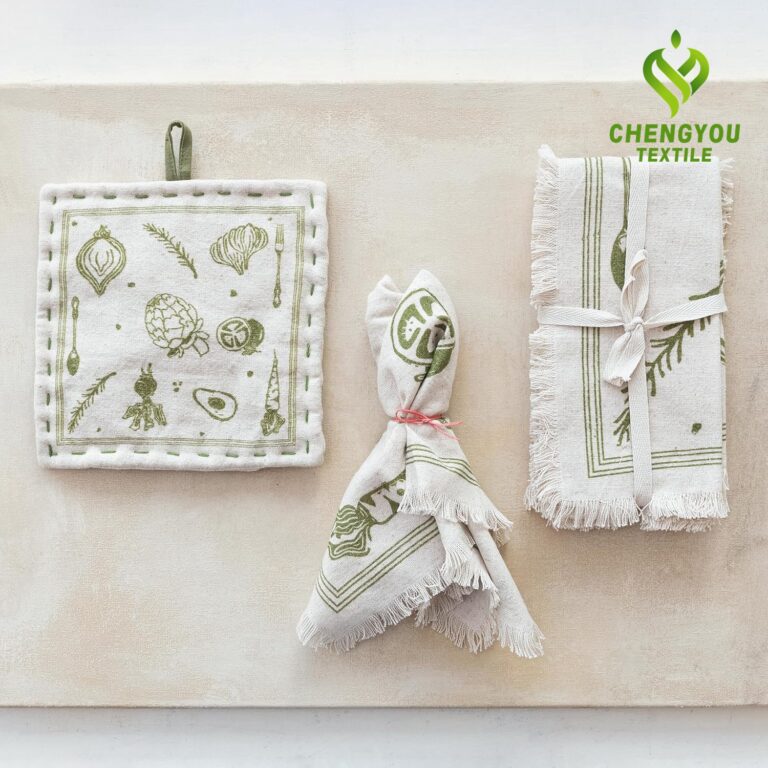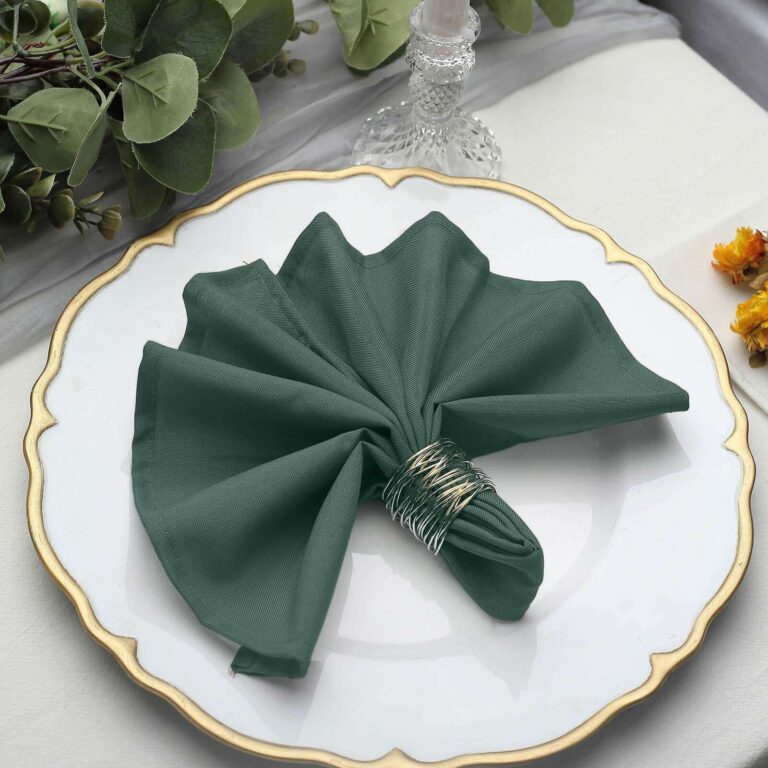
A wedding runner and a restaurant runner are not the same product, even when they are the same size. One is chosen to be photographed under warm light and admired for a single evening; the other is chosen to survive hundreds of wash cycles. Understanding that difference is what separates an event linen program that photographs beautifully from one that disappoints on the day — and what keeps a rental inventory profitable.
1. What Makes Event Runners Different
- Visual impact over longevity: Event runners are selected for how they catch light, how they drape for photographs, and how they set a colour palette. Long-term laundering performance is secondary.
- Photographic behaviour: Shimmer, sheen, and texture read very differently on camera than in the hand — a runner that looks subtle in person can look flat in photos, and vice versa.
- Colour-led purchasing: Buyers order to a palette or theme colour, not simply to a neutral stock colour.
- Rental and reuse: For rental companies, the fabric must survive repeated handling, transport, and cleaning while staying presentable.
2. The Main Event Fabric Types
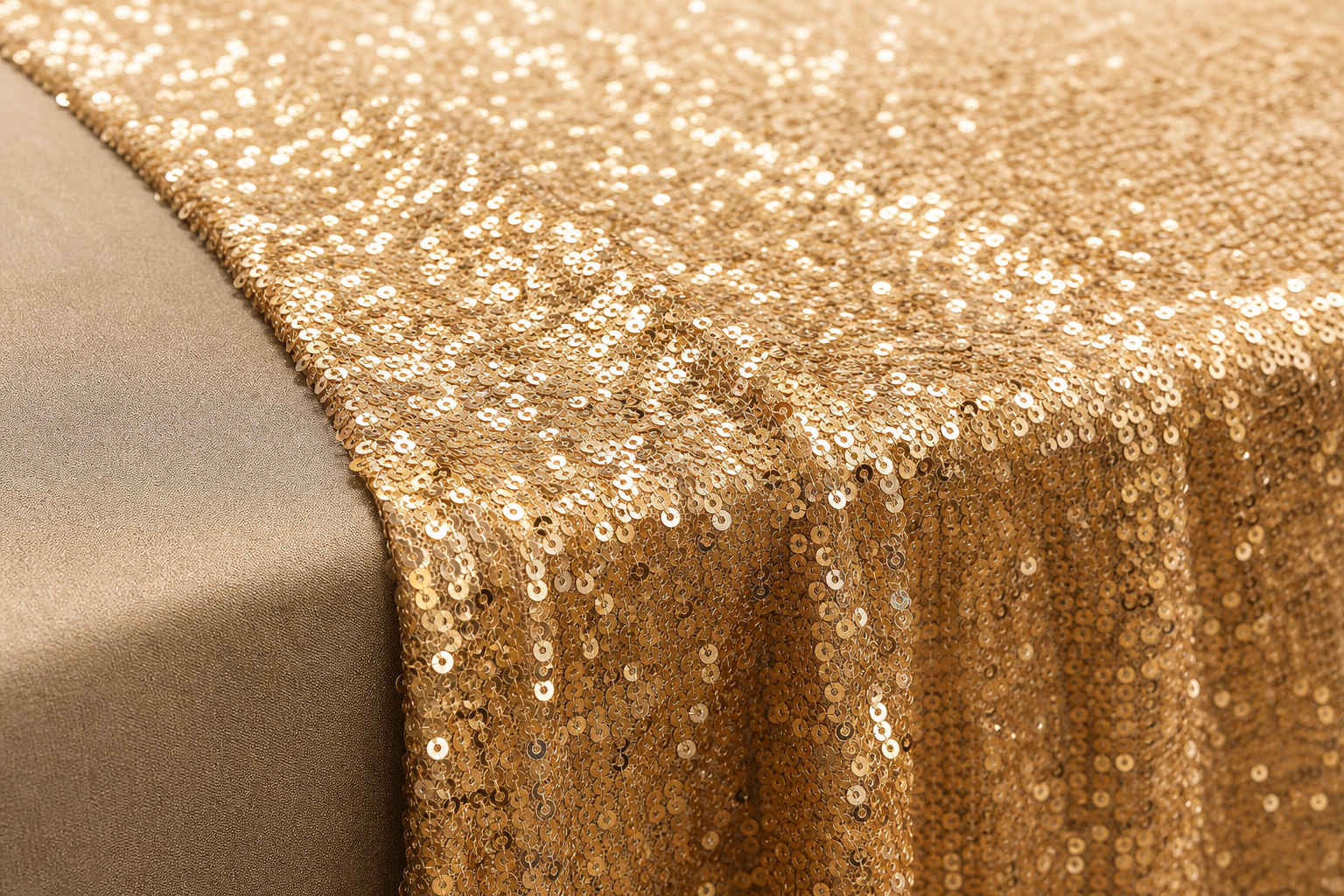
- Sequin: Dense reflective discs on a mesh base. The definition of celebration styling — it catches candlelight and camera flash brilliantly. Best used as a single hero layer over a plain cloth.
- Satin: Smooth, high-sheen and fluid, with a rich colour saturation. Formal and elegant, and available in a very wide colour range; it creases and shows marks more readily than matte fabrics.
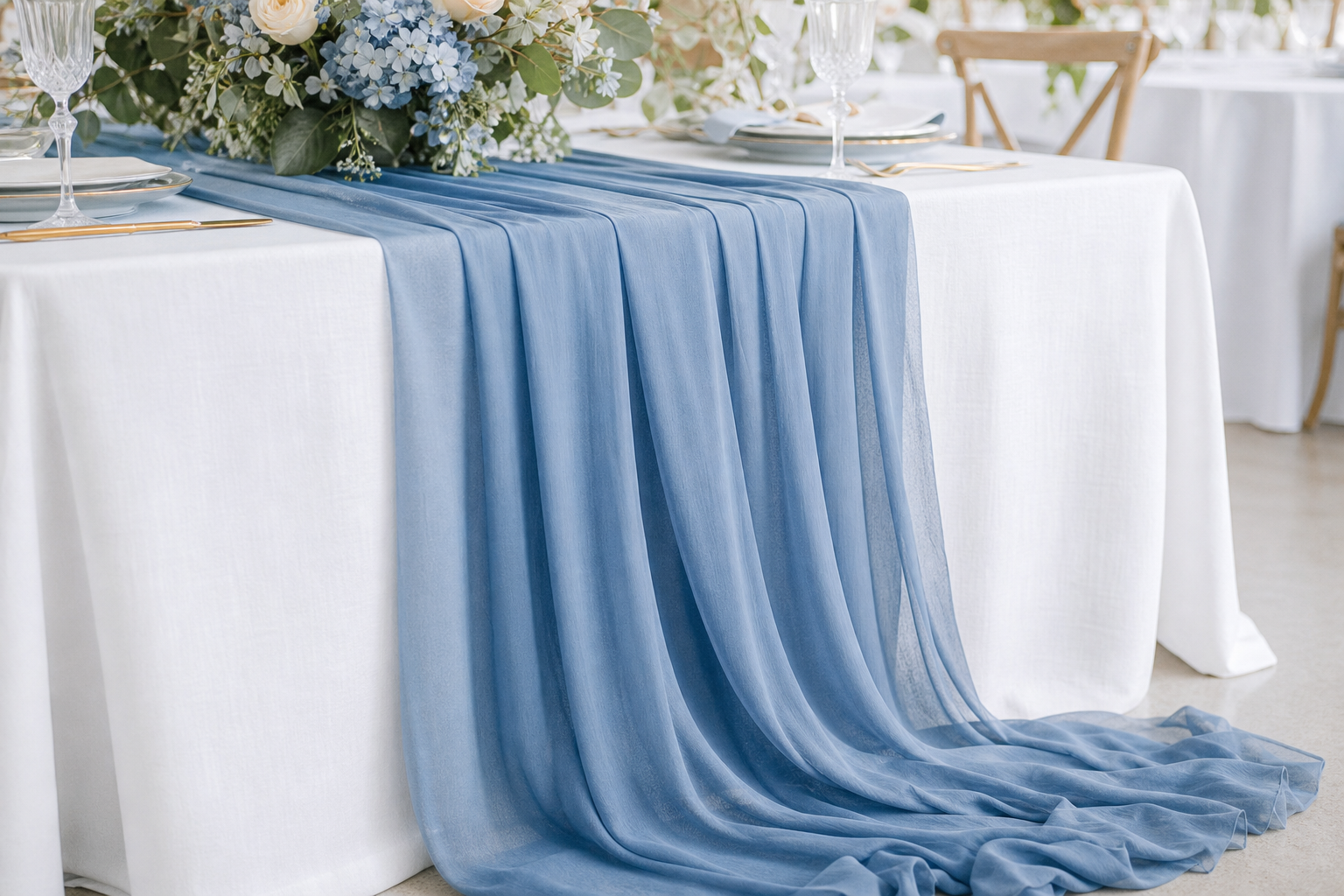
- Chiffon: Sheer, airy and soft, usually gathered or cascading at the ends. Perfect for romantic, garden, and boho styling; the translucent quality makes it excellent for layering over a contrast cloth.
- Tulle: Fine netting with volume and lightness, often used in gathered or bunched styling. Adds texture and lift rather than colour depth.
- Beaded or embroidered: Decorative detailing for luxury events — a costly but striking choice for head tables and feature tables.
- Velvet: Deep, matte richness for autumn and winter events; it absorbs light rather than reflecting it, which suits moody, candlelit rooms.
3. Matching the Runner to the Tablecloth
- Shine over matte: The most reliable pairing. A sequin or satin runner over a plain matte tablecloth makes the runner the focal point without a clash.
- Sheer over solid: Chiffon and tulle gain depth from a solid colour underneath — a light runner over a dark cloth reads as layered rather than busy.
- Texture over textural restraint: If the runner is heavily textured, keep the tablecloth plain. Two decorative layers compete and the setting looks cluttered.
- Neutral cloth, coloured runner: A white or ivory base with a palette-coloured runner is the safest route for colour-themed events because it can be adapted at low cost if the palette changes.
- Colour contrast matters more than pattern: In event styling, contrast between the cloth and the runner is usually what makes the look work — not a print match.
4. Sizing for Event Tables
- Long banquet and head tables: Runners are typically sized generously so they hang well past the table edge — a long drop is part of the dramatic effect.
- Round guest tables: Usually a shorter runner used as a centre feature, sized to frame the centrepiece rather than reach the table’s edge.
- Cocktail and high tables: Small runners, often paired with a tie or a fitted cover, sized to the tabletop with a short, tidy drop.
- Confirm finished dimensions in writing, and account for gathering: a chiffon or tulle runner gathered for styling consumes extra length, so order accordingly.
5. Event Types and Typical Styling
- Weddings: Sequin or satin for head tables; chiffon and tulle for guest tables and garden settings.
- Formal dinners and galas: Satin and velvet in jewel tones, often with a contrasting tablecloth.
- Product launches and brand events: Runners matched to brand colours, sometimes custom-printed for a logo-led look.
- Birthdays and private celebrations: The widest colour freedom — sequin and tulle are the fastest ways to make a colour theme feel festive.
6. Buying Event Runners in Volume
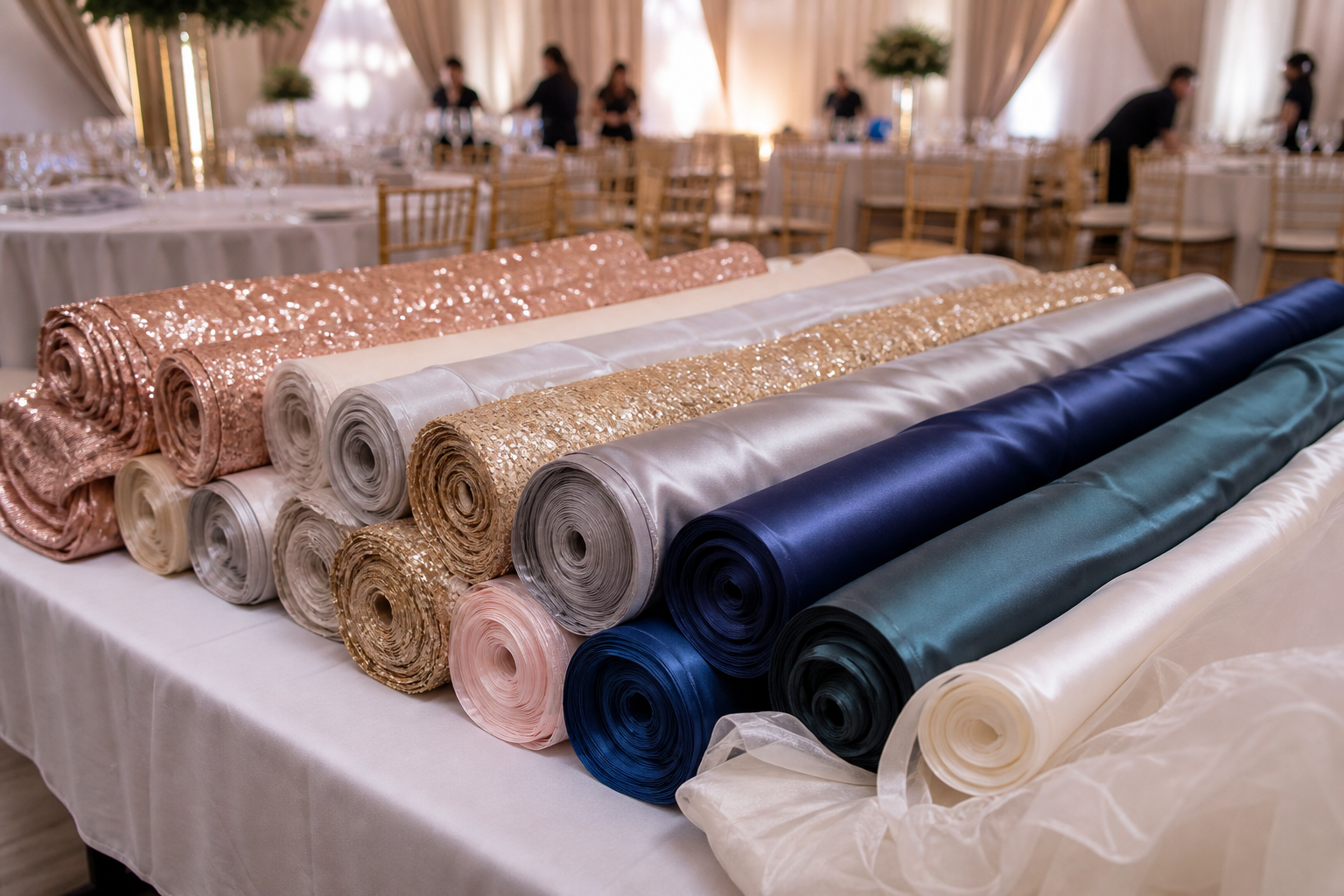
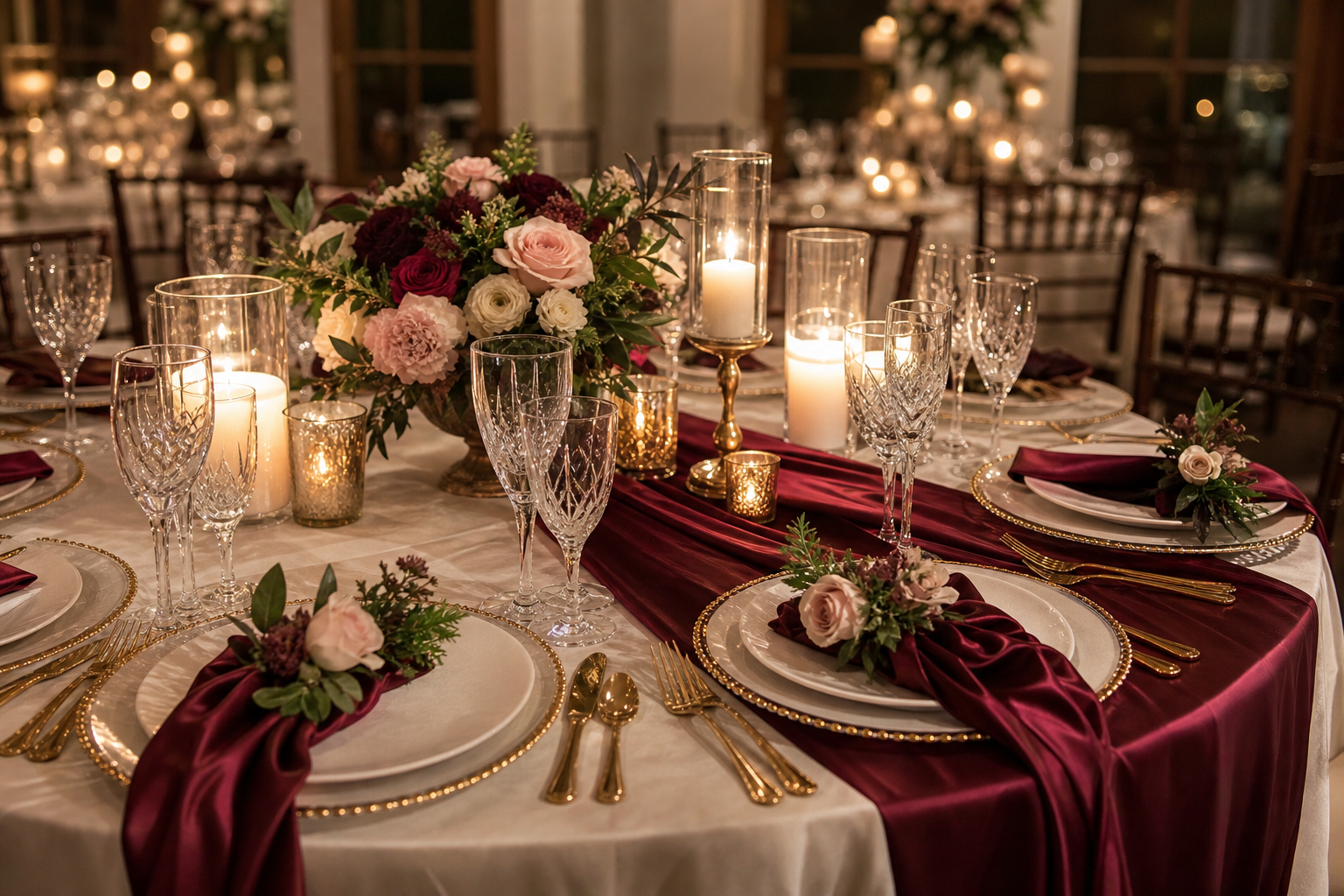
- Order by palette, not by single colour. Event buyers usually need several coordinating colours; plan quantities by colour so the palette stays balanced.
- Ask about durability for reuse. For rental or multi-event use, confirm how the fabric handles cleaning and whether sequins are stitched (durable) or glued (prone to shedding).
- Inspect the finish edges. Event fabrics often shed or fray at cut edges; ask how the runner is finished or bound.
- Plan spares. One marked or damaged runner in a hero colour is a problem on the day — add spares per colour.
- Order early in peak season. Wedding and event demand peaks hard; production and freight both tighten at the same time, so allow buffer well beyond normal lead time.
- Confirm packing method. Sequin and satin snag easily — confirm how pieces are interleaved or rolled for transport.
7. Care and Handling
- Sequin: Hand-wash or gentle cycle in a laundry bag; avoid heat, which distorts discs, and avoid tumble drying. Hang to dry.
- Satin: Cool iron on the reverse, or steam lightly — high heat leaves permanent shine marks.
- Chiffon and tulle: Gentle hand wash, drip dry, and steam rather than press; hang to release creases.
- Velvet: Brush rather than press, and steam to lift pile; avoid crushing in storage.
- Storage: Roll rather than fold where possible, and store away from direct light — metallic finishes and dyed satins fade.
8. Event Runner FAQs
Are sequin runners practical, or just decorative?
Both, if the quality is right. A stitched sequin fabric on a proper mesh base holds up to handling and repeated use; a glued sequin fabric sheds and is better suited to single-event use.
How long should a wedding table runner be?
It should run the length of the table and hang attractively past both ends. Confirm the finished dimension against the actual table, and add length if the runner will be gathered for styling.
What colour runner works with a white tablecloth?
Almost any — that is the advantage of a neutral base. Match the runner to the event palette or the flowers, and let the white cloth keep the setting light.
Can event runners be custom-made?
Yes. Custom lengths, colour matching to a palette, edge finishing, and even custom-printed designs are all available, which makes runners a practical way to carry a specific event theme.
Final Thoughts
Event runners are a styling product with a specification behind them. Choose the fabric for the mood and the photographs, pair shine with matte and sheer with solid, size generously against the real table, and confirm the finishing and durability details that matter for your use — one night or a whole season of rentals.
We produce event and wedding table runners in sequin, satin, chiffon, tulle, velvet, and woven fabrics — in custom lengths, colour-matched to your palette, with finished edges and volume pricing. Contact us for swatches, colour cards, MOQs, and lead times.