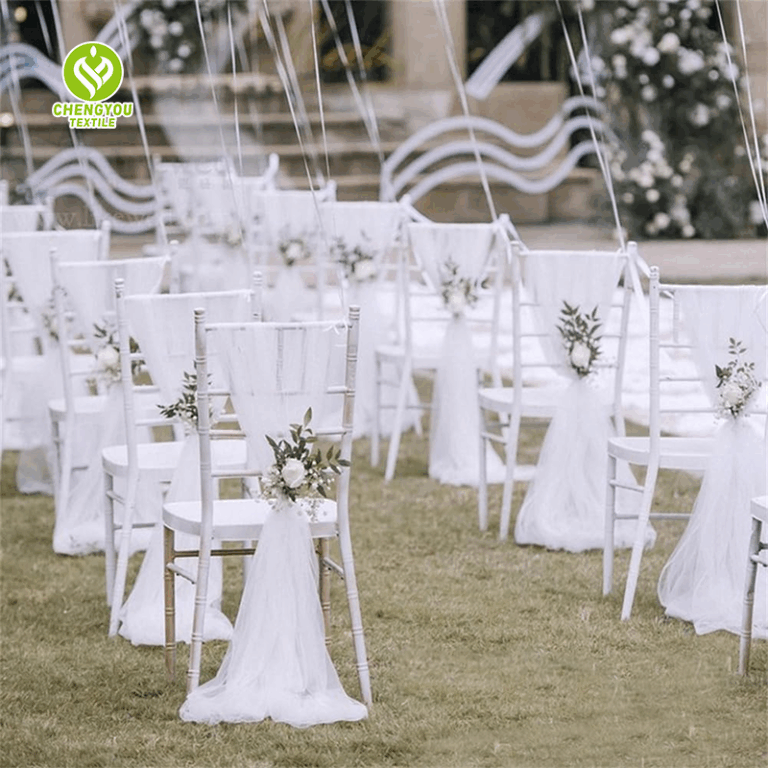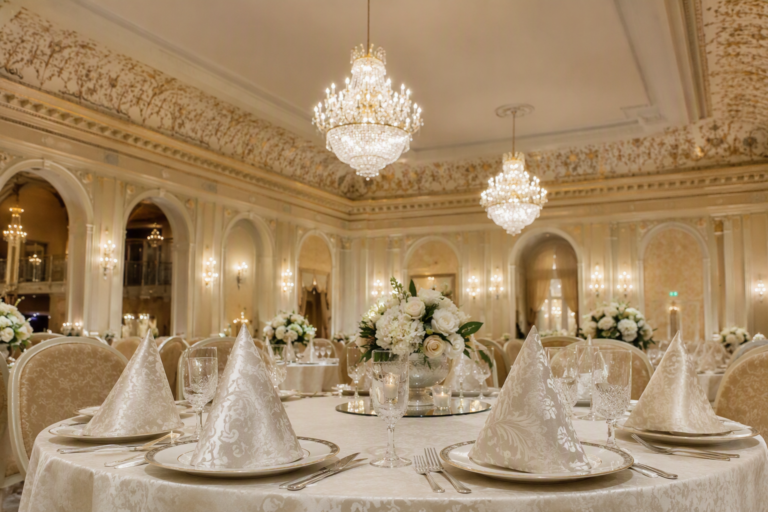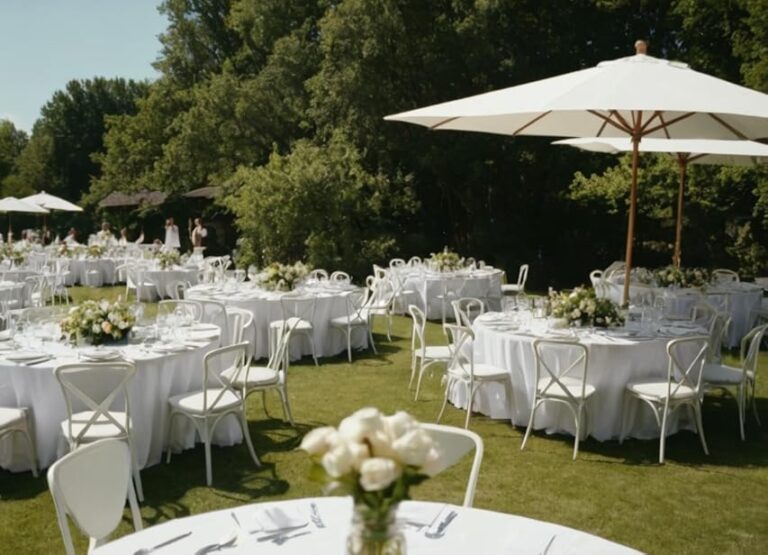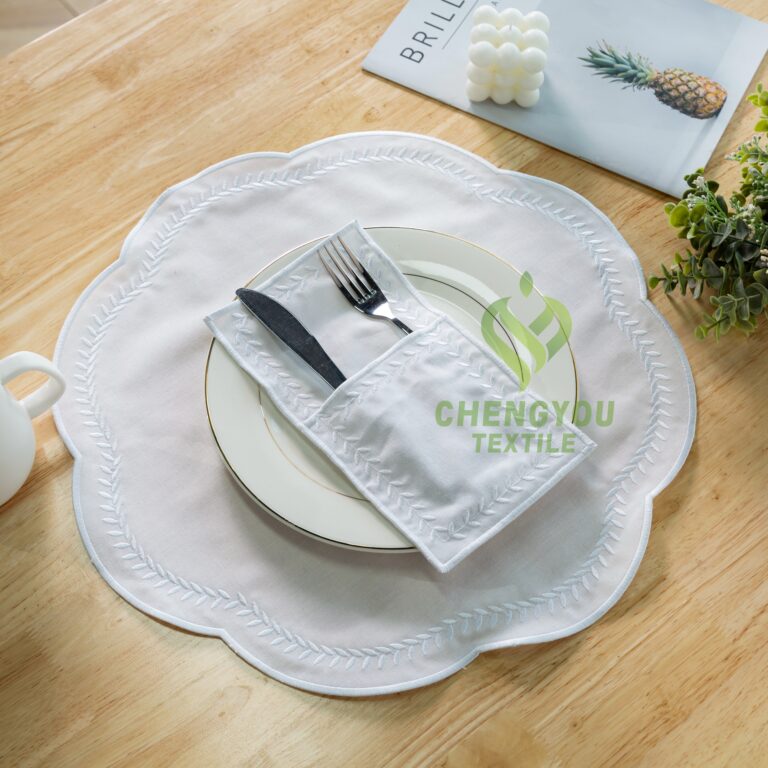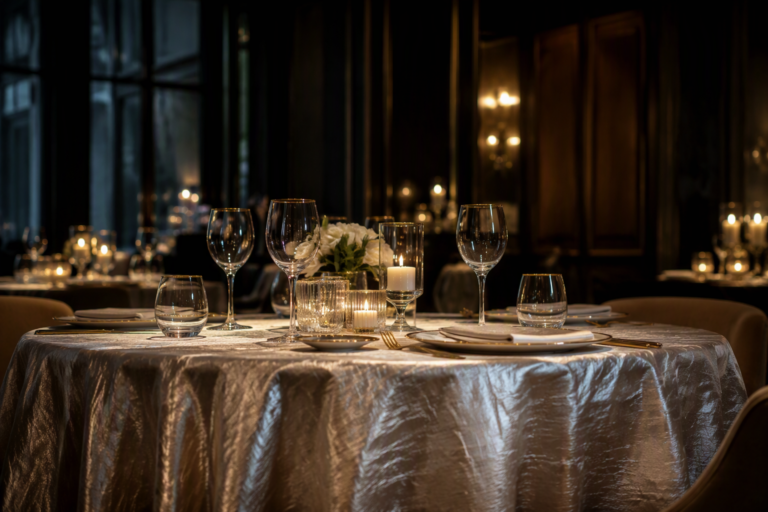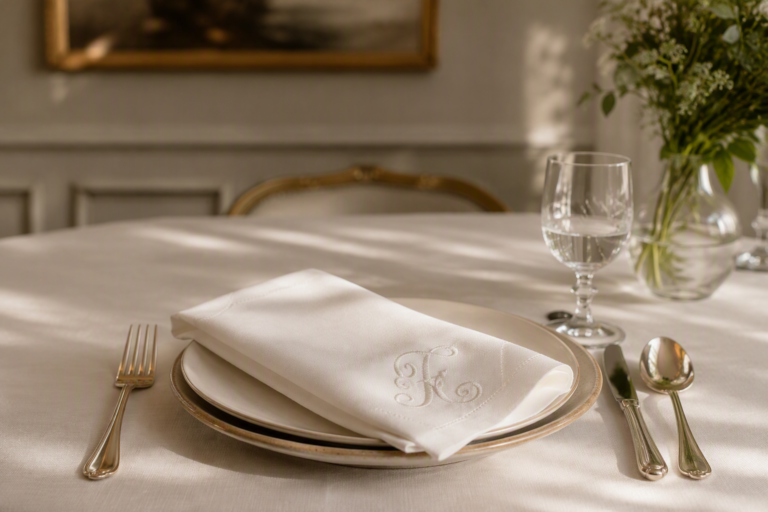
Gauze is the softest fabric in the table linen family — two fine layers woven light enough to hold their airiness through the wash, and soft enough that a guest can tell the difference the moment the table is set. But at table scale, gauze is not the fabric it is on a runner. A runner shows a strip of sheerness; a gauze tablecloth shows the whole table through it. That changes the decisions: what goes underneath, what the colour reads as, how the hem carries the weight, and how the size holds after the wash. This guide covers the gauze tablecloth as a commercial piece — the fabric, the two ways it is used, and the specs that keep it working at full table scale.
1. Why Gauze Is Different at Table Scale
- Sheerness is a feature, and a management problem. On a full table, the weave shows what is under it — the table, the base cloth, the place settings. A gauze program is a two-layer decision, not a one-layer one, and the layering is what makes or breaks it.
- It is the softest cloth in the program. The open double weave gives a hand that satin, taffeta and plain-weave cannot match — the “expensive to touch” quality that sells boho, natural and soft-luxury styling.
- It is the lightest cloth in the program. Low weight changes the drape, the hem, and the laundry handling. A gauze tablecloth is cut, hemmed and washed to a different logic than the dense workhorse it may sit on.
- The same fabric, two different builds. A gauze used standalone and a gauze used as an overlay carry different specs — weight, opacity target, hem and size tolerance. Choosing the right one for the role is the first decision in the program.
2. What Gauze Actually Is
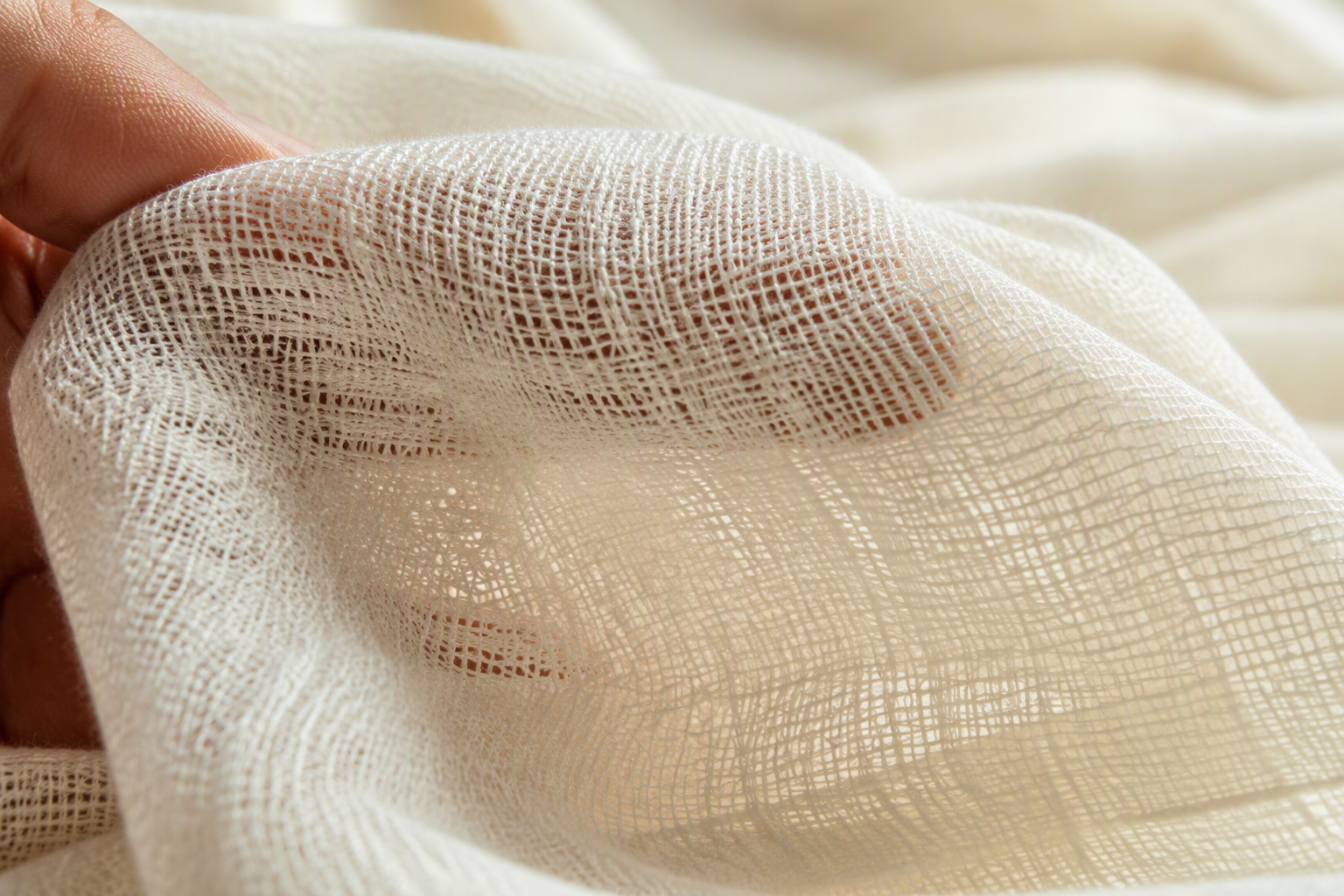
- Double gauze is two fine weaves in one. The hand feels it before the eye sees it — the two layers move slightly independent, which is what makes the cloth drape soft and hold a natural, lived-in texture instead of a pressed-flat one.
- The commercial standard is microfibre polyester gauze. For a program that will be washed and pressed at scale, the polyester microfibre gauze is the working fabric: it shrinks less, takes the wash, irons back to shape, and holds the soft hand across the cycle. The cotton gauze is the home and retail end — softer at first, but it wrinkles, shrinks and needs ironing that a busy venue will not give it.
- Density and weight are the real spec. A gauze is defined by how open the weave is and how much it weighs. A lighter, open gauze reads airier and shows the base more; a denser, heavier gauze stands on its own and reads more like a cloth. The density decides whether the gauze is a standalone or an overlay.
- Softness improves with the wash. A new gauze is at its stiffest; the first few washes open the weave and set the hand. Plan the program so the cloth is broken in before it dresses the room, not during the first service.
3. Use One: Gauze as a Standalone Tablecloth
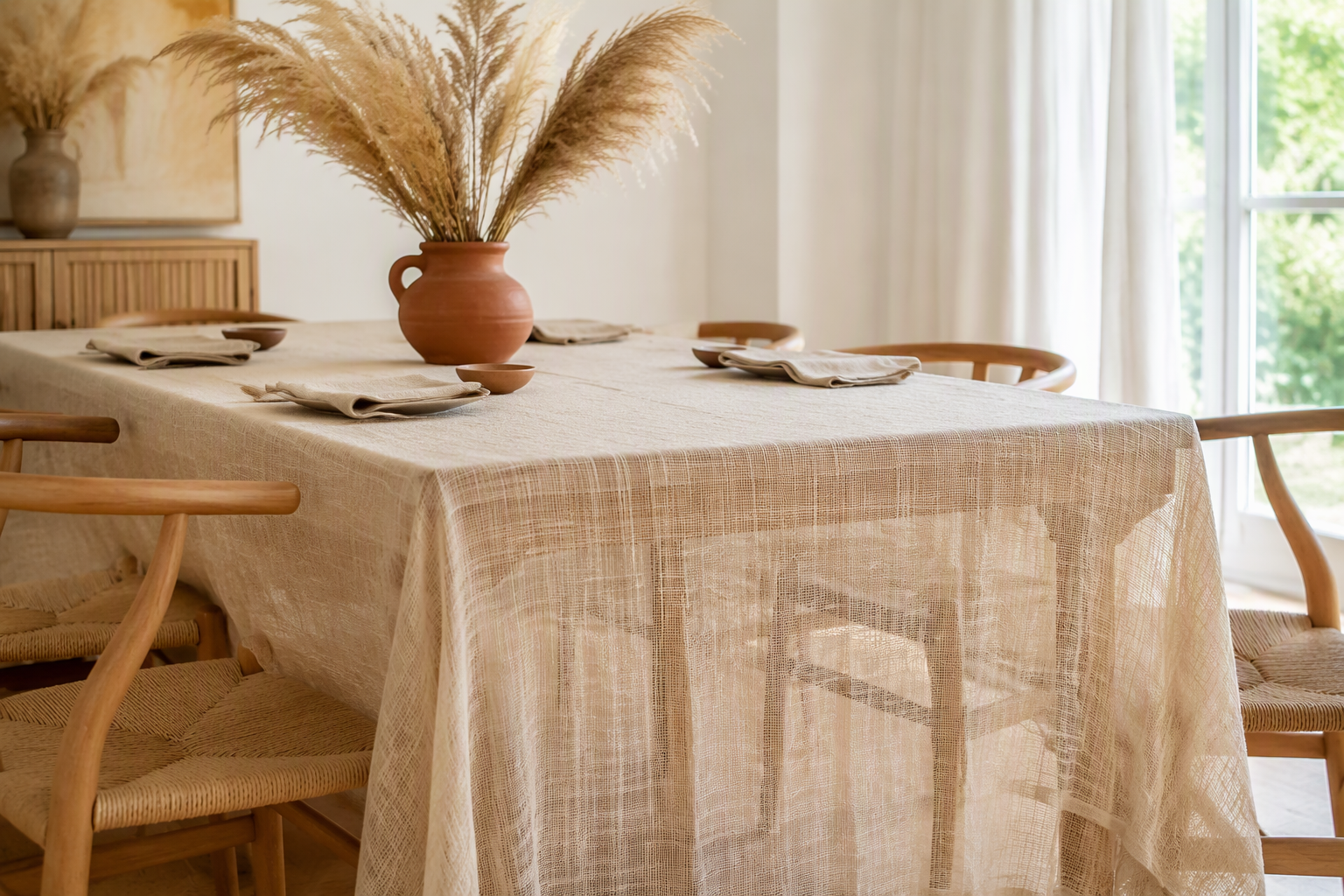
- The table shows through — on purpose. A standalone gauze over a light wood or a pale surface reads soft and natural, and the faint show-through is what makes the style. The decision is to choose a table the gauze works with, not to hide it.
- Standalone needs the denser gauze. The open, light gauze reads as a veil on a full table; the denser, heavier gauze holds enough body to stand on its own and still read as a cloth. If the program is standalone, spec the weight up, not down.
- Contrast comes from the setting, not the cloth. With a soft, light, sheer cloth doing the base, the table’s contrast comes from the plates, the napkins and the centrepiece. A standalone gauze program is a light cloth with a styled setting on top of it.
- The hem carries the whole look. On a standalone gauze, the bottom edge is the finished line of the table. A hem that is clean, even and built to the weight of the cloth is what keeps the drop straight and the style intact from service to service.
4. Use Two: Gauze as a Layered Overlay
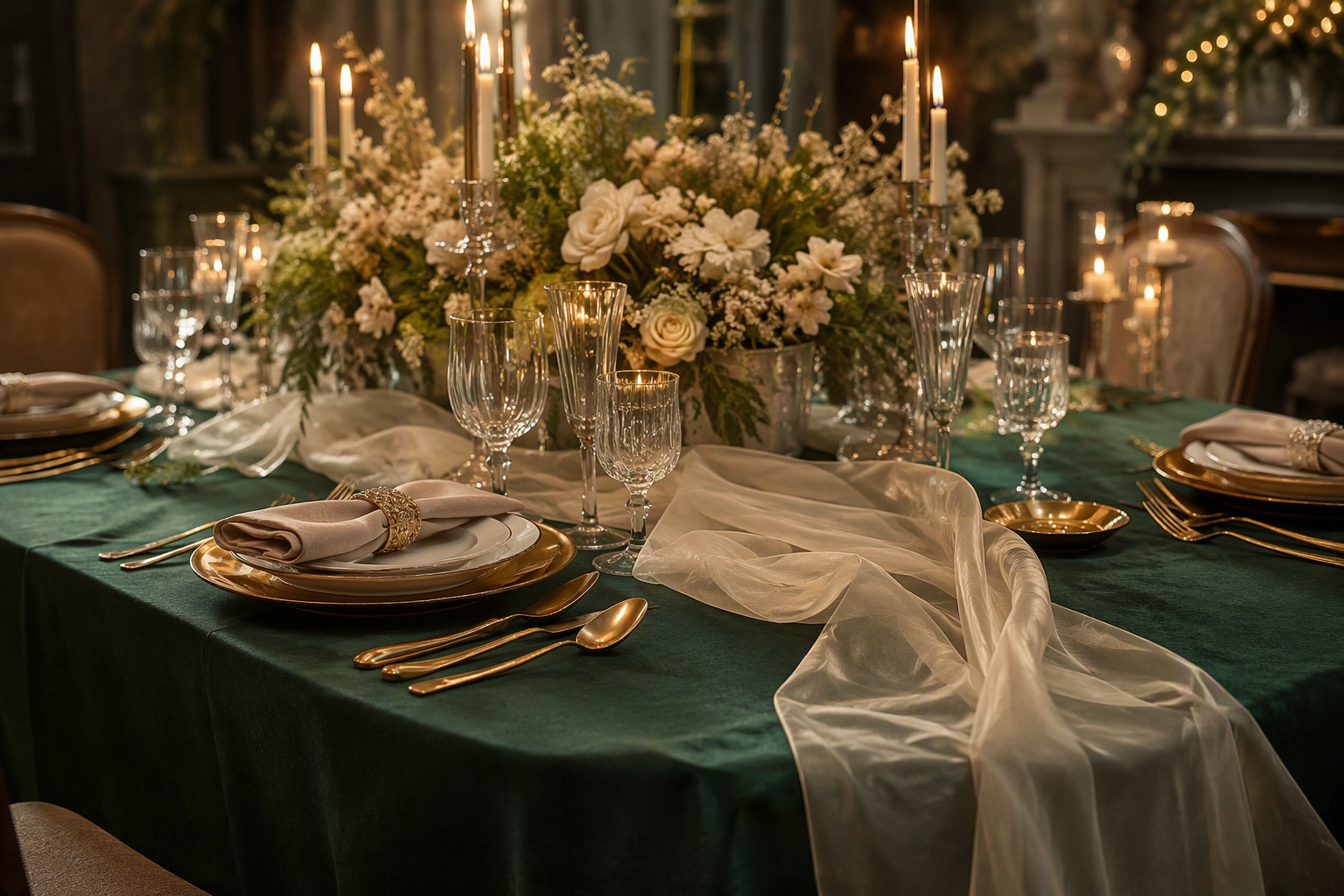
- The base does the coverage; the gauze does the softness. A solid tablecloth underneath carries the colour, the weight and the stain protection; the gauze on top adds the texture, the air and the hand. The two layers are doing different jobs, and the program is stronger for it.
- It protects the base, too. The gauze takes the ring, the spill and the scuff before the base does. In a high-turnover program, the overlay is a sacrificial soft layer that extends the life of the cloth underneath — the same logic that keeps a full program out of the wash more often.
- The colour reads through the layer. An ivory gauze over a deep base softens the base and lifts it a shade; a coloured gauze over a light base reads as the gauze’s colour, veiled. The finished colour is a two-part decision, and it should be tested on the actual base, not on the gauze alone.
- Spec the overlay for the role. An overlay can run a lighter, airier gauze than a standalone, because the base carries the body. The overlay’s job is texture and protection at a soft hand — not the weight of a full cloth.
- Plan the layering as a program. The base and the overlay are sized, cut and stored as a pair. A layering program that is planned — the base depth, the overlay drop, the storage together — is the difference between a table that reads layered and one that reads cluttered.
5. Colour and the Base
- Light gauze is the flexible one. An ivory, oatmeal or pale gauze works over a wide range of bases and reads as a softening layer on almost any of them. The light gauze is the default for a layered program, and the one to keep the deepest stock of.
- A dark gauze over a light base reads as the gauze. A deep gauze laid over a pale base carries its own colour through the weave and reads as a coloured table with a soft top — a strong, deliberate look that is easier to style than to live with in daily service.
- Test the pair in the room’s light. The gauze and the base are one colour decision, and the light is what sets it. A pairing that works on the cart can shift on the table under the venue light — the approved pair, on the actual base, in the room’s light, is the reference the lot is judged against.
- Keep the base and the overlay in matched lots. The same discipline as any colour program: the base lot and the gauze lot are recorded, the approved pair is stored, and the re-order is judged against it. A layering program that drifts lot by lot reads as an inconsistent table, not a styled one.
6. Sizing and Drape
- The light cloth drapes soft — spec the drop to suit it. A gauze does not carry a heavy, structured drop the way a dense cloth does. The soft fall is part of the style, and the drop is chosen to let the fabric read as it should, not to imitate a cloth it is not.
- The hem is the weight the cloth carries. On a light fabric, the hem is what keeps the bottom line even and the drop true. A hem built to the weight of the gauze — even, clean, and able to take the wash — is what keeps a standalone gauze sitting straight from the first service to the last.
- A large cut shrinks more in absolute terms. The same shrinkage percentage on a full tablecloth is a larger centimetre loss than on a runner. The finished size of a gauze tablecloth is worked to the washed dimension, so the drop is right after the break-in, not just before it.
- Size the overlay to the base, not the table. A layered overlay is cut to sit on the base — its drop, its width and its edge are set by the base cloth underneath, so the pair reads as one table, not two.
7. Caring for Gauze Tablecloths
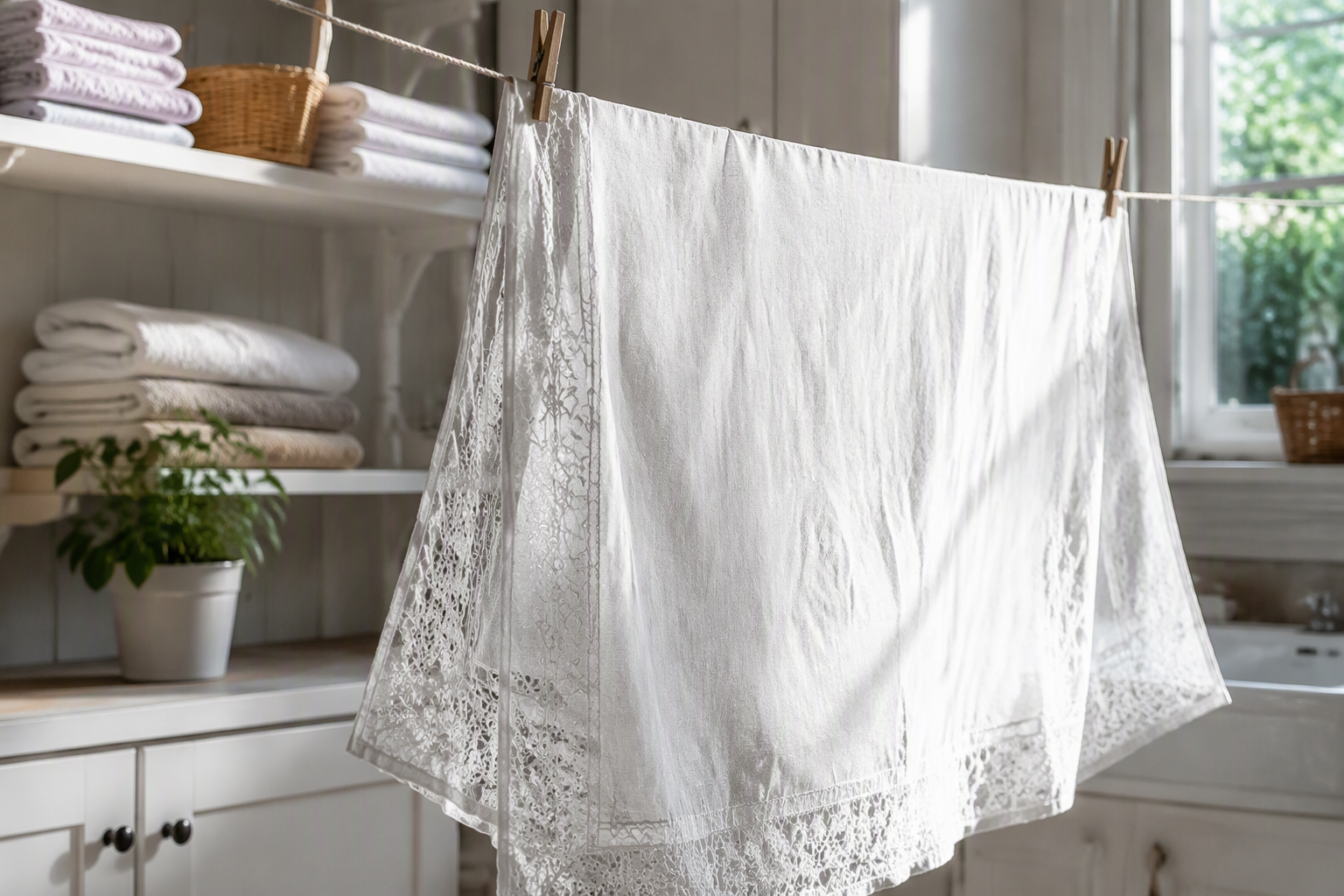
- Wash gentle and cool. The open weave and the light weight mean gauze takes the hard end of a wash badly — a gentle, cool cycle with a mild detergent keeps the hand soft and the weave intact. A hot, aggressive cycle is how a gauze gets stiff, shrunk and snagged.
- Keep it away from the snags. The fine weave is the first thing a rough hook, a zip or a sharp edge will catch. Wash it with the program that protects it, and handle the dry cloth away from the jewelry and the cutlery that will otherwise do the damage.
- Steam rather than press. A gauze wants to keep its air. A steam or a low, indirect press restores the drape without flattening the weave into a cloth it is not; a hard press is what turns a soft gauze into a stiff one.
- Rotate the overlay and the base as a pair. In a layered program, the gauze and the base come off and go to the wash together, so the pair stays matched and neither layer out-lives the other in the room.
- The soft hand is a wash result, not a one-off. Because the gauze softens with the wash and stiffens with a hard cycle, the care program is what holds the hand the guest is paying for. The care is part of the spec, not an afterthought.
8. Where Gauze Tablecloths Work Best
- Boho and natural styling. The home, café and boutique look where the soft, light, sheer cloth is the style — standalone on a light surface, with the setting doing the contrast.
- Wedding and banquet layering. The overlay role, where a soft gauze over a solid base lifts the table for the event — the texture and the protection in one layer.
- Soft-luxury and resort programs. The venues that sell a relaxed, expensive-to-touch table — the gauze is the hand the program is built around.
- Farmhouse and seasonal retail. The styled, photographed table that sells the season — the gauze reads natural and current in the light the style is shot in.
- Any program that wants the soft hand without the soft fabric’s upkeep. The microfibre gauze gives the cotton hand with the polyester wash — the look of the natural cloth with the working life of the commercial one.
9. Buying Gauze Tablecloths in Volume
- Specify the layer and the weight in writing. The build of the gauze — the double weave, the density, the weight, and whether it is cut for a standalone or an overlay — is the spec that decides the cloth. A gauze bought without the layer stated is a gauze built for the wrong job.
- State the opacity target. How much of the base should show through is a number the program needs, not a guess — the open weave is tuned to the look, and the look is what the sample approves.
- Specify the base, too, for a layered program. The overlay is only half the pair. The base cloth — fabric, weight, colour and size — is part of the gauze order, so the pair is built and shipped as one table.
- Approve a finished table, not a flat swatch. The gauze on the base, on the table, in the room’s light, is the sample that carries the decision — the flat cloth hides the layering, the drape and the show-through that are the whole point.
- Get the shrinkage and the colourfastness in writing. The washed size and the wet and rub fastness of the gauze and the base are the figures that hold the lot — the same documentation the rest of the program runs on, carried to the softest cloth in it.
10. Gauze Tablecloth FAQs
Will a table show through a gauze tablecloth?
Yes — and that is the fabric. The question is not whether the table shows, but how much and what it reads as. A denser gauze over a light surface reads soft and natural; a lighter gauze over a base cloth reads as a veiled layer. The show-through is managed by the weight of the gauze and the choice of what is under it, not by hiding it.
Can I use gauze on its own, or does it need a base?
Both work. A standalone gauze reads boho and natural on a light table, and it needs the denser, heavier build to stand on its own. A layered gauze over a solid base reads softer and more protected, and it can run a lighter build because the base carries the body. The role decides the build — that is the first spec to state.
Will a gauze tablecloth wrinkle?
It holds a soft, natural texture rather than a pressed-flat one — that is the style, and the wash sets it. A hot, aggressive cycle and a hard press are what turn the soft hand into a stiff, wrinkled one. Wash it gentle and cool, steam rather than press, and the gauze keeps the hand it is bought for.
How do I specify a gauze tablecloth for a commercial order?
State the layer (standalone or overlay), the weight and density, the opacity target, the hem build, the finished washed size, and the colourfastness of the gauze and the base. Approve a finished table — the gauze on the base, in the room’s light — before the full order, and the lot is judged against that pair, not a flat swatch.
Final Thoughts
Gauze is the softest cloth in the table linen family, and at table scale it is a two-layer decision — a denser build that stands on its own for the boho and natural table, or a softer build that layers over a base for the protected, lifted one. Choose the role, specify the weight and the opacity, size it to the washed dimension, and care for it on the gentle end of the program. Done that way, the gauze gives the whole table the hand the rest of the linens cannot — soft, light and a little bit of air — for the working life of the program.
We supply gauze tablecloths and the base cloths they layer on — standalone and overlay builds in a full colour range, with the weight, opacity, hem, shrinkage and colourfastness figures supplied with a finished table sample before the full order. Contact us for gauze tablecloth samples, sizing, MOQs, and wholesale pricing.