Table runners are the fastest way to change a table — and the fastest way to see a supplier’s true level. A runner is a narrow strip of fabric doing the visible work for the whole table program, so there is nowhere for it to hide a defect: the edge frays, the colour fades or bleeds, the size drifts, the pleat relaxes, and the table you styled in an afternoon reads as careless by the third service. This guide is about telling the difference between a runner that will hold the program and a runner that is a seasonal expense — what to check on the sample before you buy, what the difference actually costs over time, and when a lower-cost runner is the right call on purpose.
1. Why the Gap Shows Up Fastest on Runners
- The runner carries the visual load. The tablecloth does the coverage; the runner does the style. A fault in the runner is the fault guests notice first, because it is the accent.
- It is the most worked piece of the setting. A runner is folded, lifted, folded, lifted — at every service, at both ends. The wear concentrates at the two ends and the edge, which are exactly where cheap construction gives out.
- It shows size faults immediately. A tablecloth that is a few centimetres short reads as a different drop; a runner that is short reads as a mistake. The narrower the piece, the less tolerance the room has.
- Programs buy runners in families. One bad lot does not look like one bad runner — it looks like an inconsistent table across the whole venue, season after season.
2. What “Cheap” Actually Looks Like on a Runner
- Base fabric weight. Hold the sample up: a thin base shows through when it is folded, pills faster, and tears at the fold line. Weigh it against a known standard — a runner that feels like napkin cloth in a tablecloth body is under-built.
- The edge, not the centre. Runners are bought on their centre and fail at their edges. Inspect the hem construction, the stitch density, and whether the edge is finished to take the wear or just closed to pass inspection.
- Colour depth versus coverage. A colour that looks flat or “painted on” in places is usually a weak dye level or an inconsistent lot — it will fade unevenly and the unevenness will read as dirt.
- The weave, held to the light. An open, uneven, or fuzzy weave is a quality signal, not a style — it traps soil, snags, and dates the piece. The weave should be even and closed enough to shake clean.
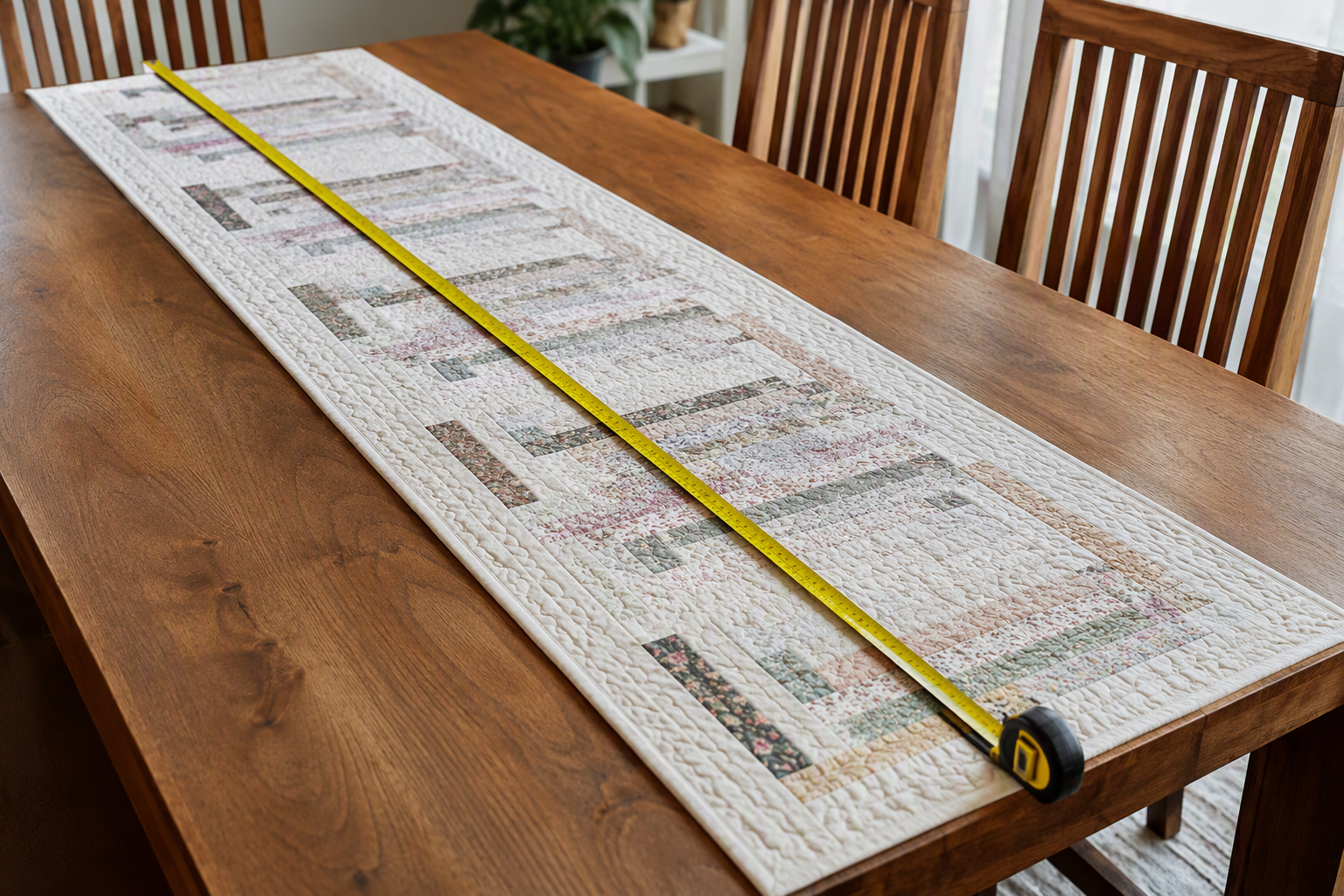
- Size tolerance. Measure the sample against the quoted size. A runner that arrives a few centimetres short, or that is visibly out of square, is telling you what the full lot will do.
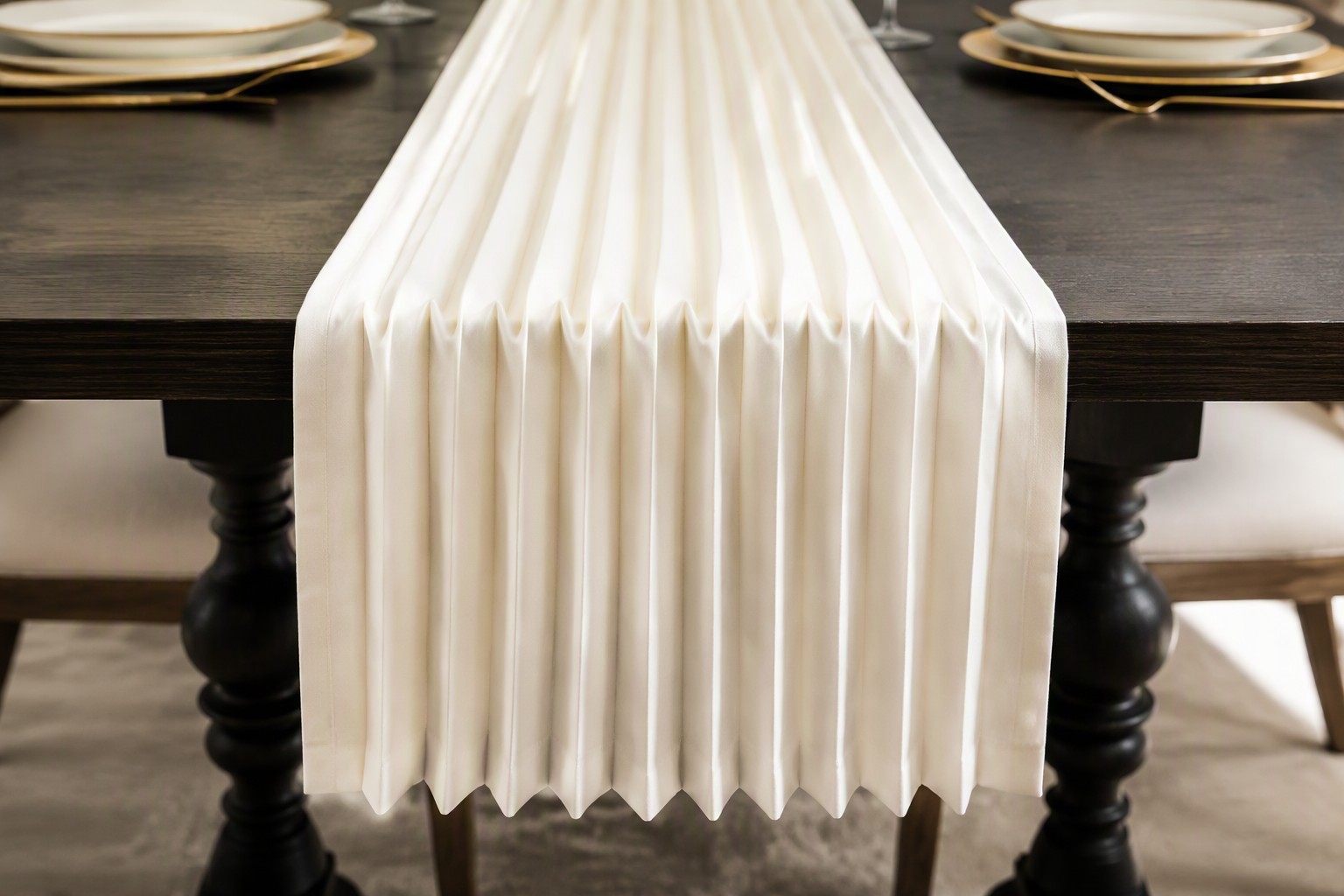
- For pleated runners: the setting. A pleat that was set well holds through a wash; a pleat that is only folded, not set, relaxes on the first cycle. Check the sample after a wash, not before.
3. Where Cheap Runners Fail — the Failure Points
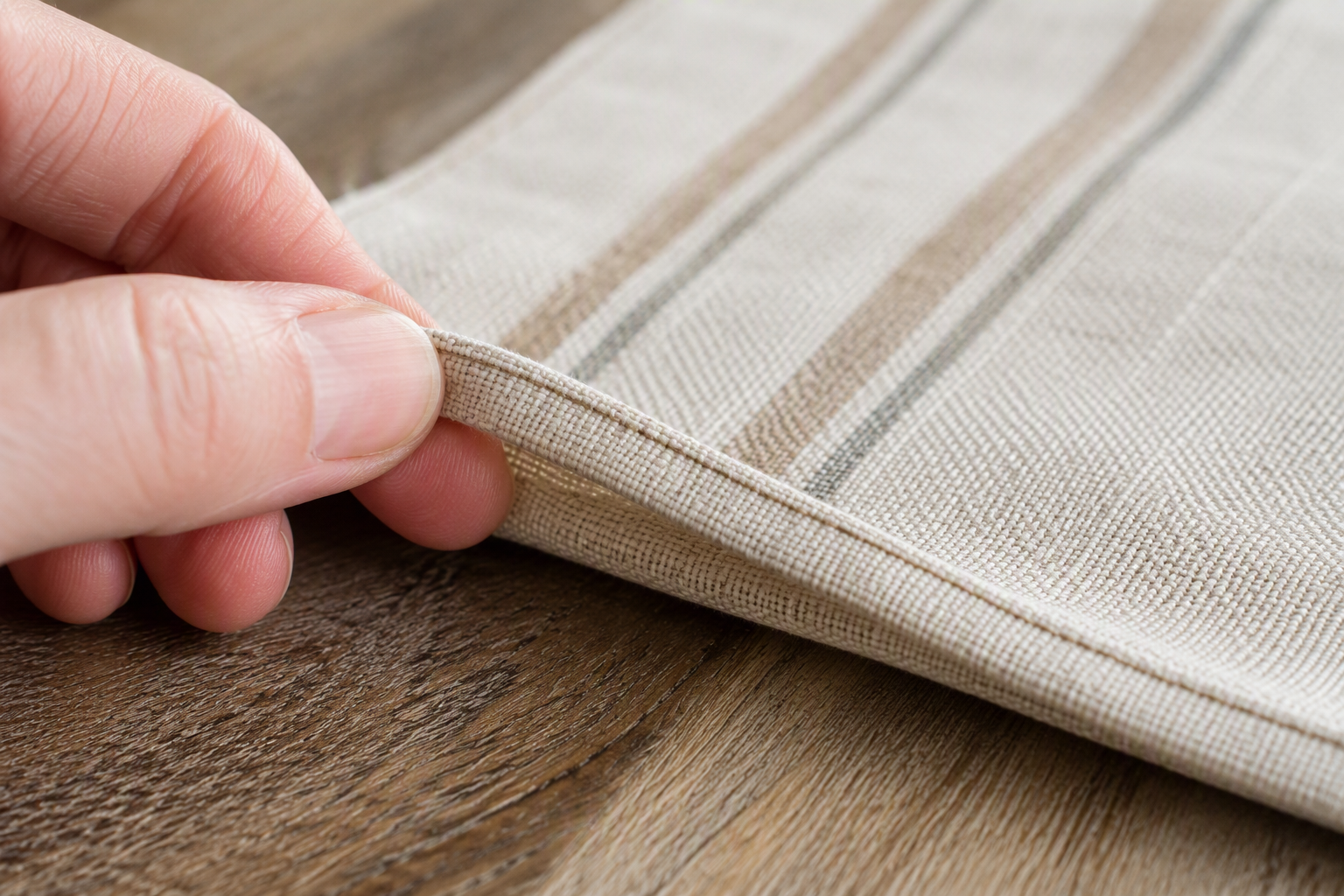
- Edge fraying and hem let-out. The dominant failure. A weak hem on a narrow strip gives out at the fold, the fraying walks up the edge, and a repair that was ten minutes becomes a runner that no longer reads clean.
- Thin base: show-through, pilling, fold-line tears. A base that is under-weight shows the table through the fold, pills in the wash, and splits at the crease line where the runner is folded and lifted every service.
- Colourfastness: fading and bleeding. The worst version is a coloured runner that drops dye onto the white tablecloth or the white program it sits on. A bleed onto a white cloth is usually a retire-and-replace decision, not a wash decision.
- Shrinkage and size drift. A runner that shrinks unevenly — more in width than length, or one end more than the other — goes out of square and no longer sits straight. The finished size, not the cut size, is the number that matters.
- Pleat setting loss. On a pleated runner, a pleat that was not properly set relaxes after the first or second wash, and the runner changes from a styled piece to a lumpy strip. Re-folding it by hand every time is labor you will stop doing.
- Print and embroidery failures. On printed or embroidered runners: a print that cracks along the weave, a dye that grays in the wash, an embroidery that drops thread or sits on a base that ripples under the stitching. The decoration is where a cheap runner announces itself fastest.
4. How to Check a Sample Before You Buy
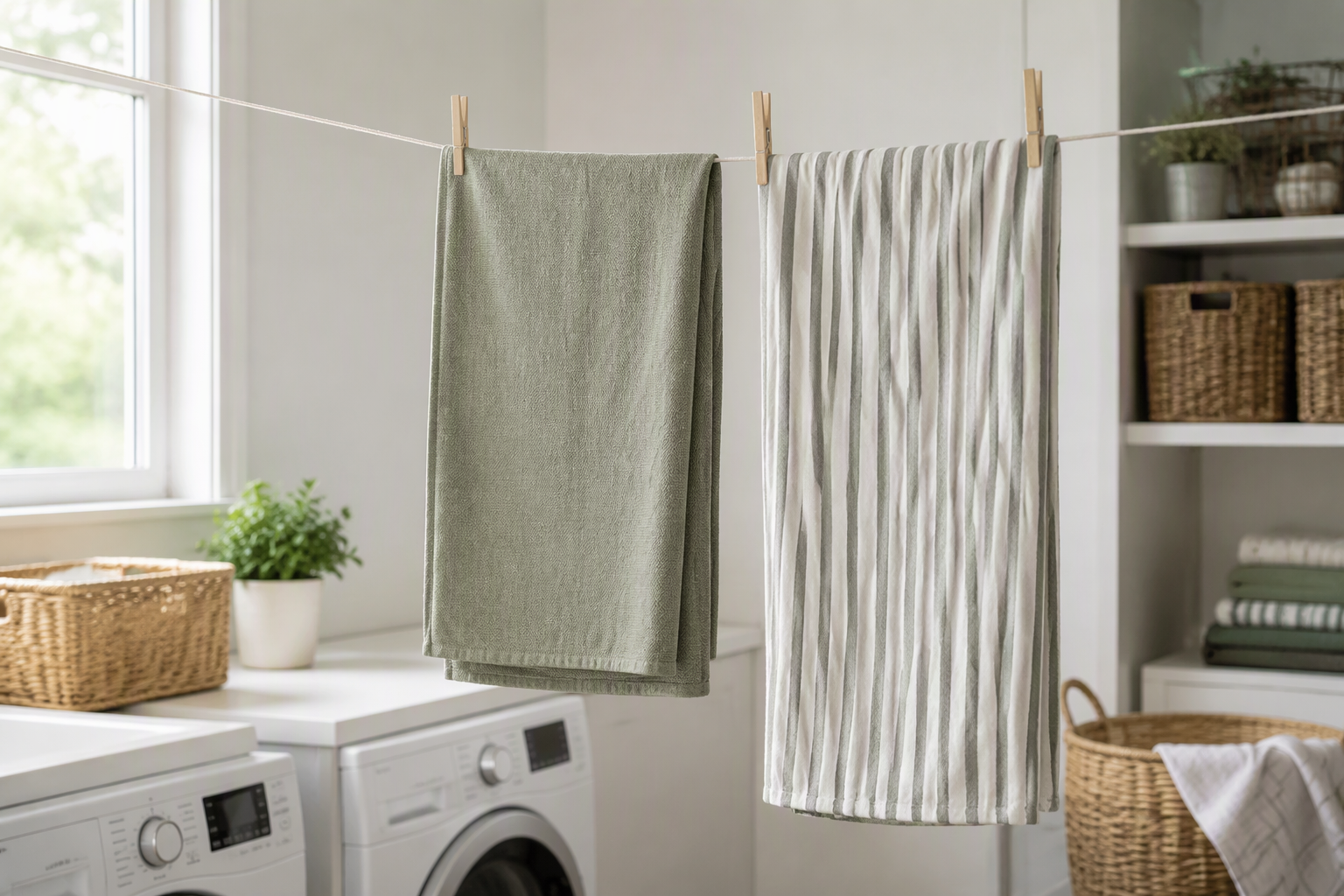
- Wash it first, then judge it. Run the sample through a realistic cycle — the temperature and the handling your program will give it — and only then look at the colour, the size, the pleat, and the edge. What you see before the wash is the sales sample; what you see after is the product.
- Rub test for colourfastness. A damp white cloth rubbed along the runner, especially a dark or saturated colour, tells you what the wash water will do. Any transfer onto the white cloth is a program risk.
- Measure after the wash. The finished, washed size against the quoted size is the tolerance that matters. A consistent, declared shrinkage is workable; an undeclared, uneven shrinkage is a size problem on every table.
- Check the edge under load. Pull gently at the hem the way service does — the way the thread and the seam answer is the lifespan of the edge, where the runner lives or dies.
- Set the pleat and wash it. For pleated samples, confirm the setting survives the cycle. A pleat that comes out of the wash still set is a construction you can budget for; one that comes out loose is labor on every turnover.
- Check it on the table, in the light. Lay the washed sample on the actual table under the venue light. Size, drape, colour and edge all read correctly in place — flat on the cart, the faults hide.
5. The Difference Is Not the Unit Price — It Is the Cost per Use
- Count uses, not dollars. A runner that survives two hundred washes and still reads clean costs less per service than a runner that retires at forty — even if the second one has the lower price tag.
- Re-ordering is the hidden cost. The cheap runner that retires every season becomes a standing re-order: new sampling, new lead time, new lot — every year. The program pays for the replacement on top of the saving it never kept.
- Inconsistency is the visible cost. Each re-order lot lands at a slightly different shade, weight or size, and the venue’s tables drift out of match. A consistent runner holds the program together; a rotating lot of cheap ones takes it apart.
- Labour is a cost too. Re-pleating by hand, repairing hems, triaging stains at the event — the labor that a well-built runner does not require is part of what it costs to run the cheap one.
6. What to Ask Your Supplier — in Writing
- Base fabric and weight. The fabric content and the weight of the base — stated, so the sample and the lot are the same build, not the sample being better than the production run.
- Edge construction. How the edge is finished and built to take the wear — the hem method, not just “finished edges.”
- Colourfastness figures. Wet and rub fastness for the colours, especially any dark or saturated shade that sits on a white program. A number you can hold the lot to.
- Declared shrinkage. The shrinkage figure, so the finished size is worked into the cut — a runner sized for its washed dimensions, not its dry ones.
- Pleat setting method. For pleated runners, how the pleat is set and whether it holds through the wash cycle — the difference between a set pleat and a folded one.
- Size tolerance. The tolerance on the finished size, stated, so a short or out-of-square piece is a defect you can reject, not a surprise you absorb.
7. When a Lower-Cost Runner Is the Right Call
- One-off events. A wedding or a single function that the runner will not outlive — the cost-per-use math does not apply, and a lower-cost runner in the right style is the sensible buy.
- High-turnover rental service. A rental operation that turns over linens fast and re-orders in volume can run a working-cost runner deliberately, on a planned retire-and-replace cycle — as long as the plan is explicit, not accidental.
- Temporary and off-site tables. Trade-show back-tables, staging, and temporary settings where the runner is functional rather than the face of the program.
- The test is intent. A lower-cost runner is a right call when you have decided it is disposable by design. It is a wrong call when you are running it as program linen and discovering, season by season, that it keeps retiring.
8. Good vs. Cheap Runner FAQs
Is a more expensive runner always worth it?
No — it is worth it when the runner is part of a program that will be washed and re-used. Cost per use is the only honest comparison: a higher-build runner that holds for two hundred washes usually beats a lower one that retires at forty. For a one-off event or a deliberately disposable run, the lower-cost runner in the right style is the right buy.
What is the minimum I should hold a workhorse runner to?
A base that does not show through when folded, an edge built to take the wear (not just closed), a declared shrinkage worked into the finished size, and a colourfastness that survives a rub test on a white cloth. Those four are the floor — anything below them is a seasonal expense wearing a program piece’s label.
How do I test colourfastness before ordering?
Rub a damp white cloth along the sample, especially on any dark or saturated colour, and check the white cloth for transfer. Then wash the sample on your program’s cycle and check the water and the size. Transfer on the white cloth, or dye in the wash water, is a bleed risk on any white tablecloth the runner sits on.
Why did my cheap runner come back short after washing?
Because the shrinkage was never declared or worked in. A runner cut to its dry size and then washed down loses that difference — often unevenly, so it goes out of square as well as short. A runner sized to its washed, finished dimensions does not, which is why the finished size and the shrinkage figure are the two numbers to put in writing.
Final Thoughts
Table runners are the honest piece of a table program — a narrow strip doing the visible work, with nowhere to hide a weak edge, a light hand, or an undeclared shrinkage. The difference between good and cheap is not the price on the quote; it is what the sample does after the wash, at the edge, in the size, and on the table in the light. Hold the workhorse to a base that does not show through, an edge built for the wear, a declared shrinkage, and a colour that will not bleed — and spend the lower-cost runner where it is disposable by design. Done that way, the runner holds the program instead of quietly spending it.
We supply table runners built to those specifications — the base weight, edge construction, shrinkage, colourfastness and pleat setting stated in writing, with a finished sample sized to the washed dimensions before the full order. Contact us for runner samples, sizing, MOQs, and wholesale pricing.