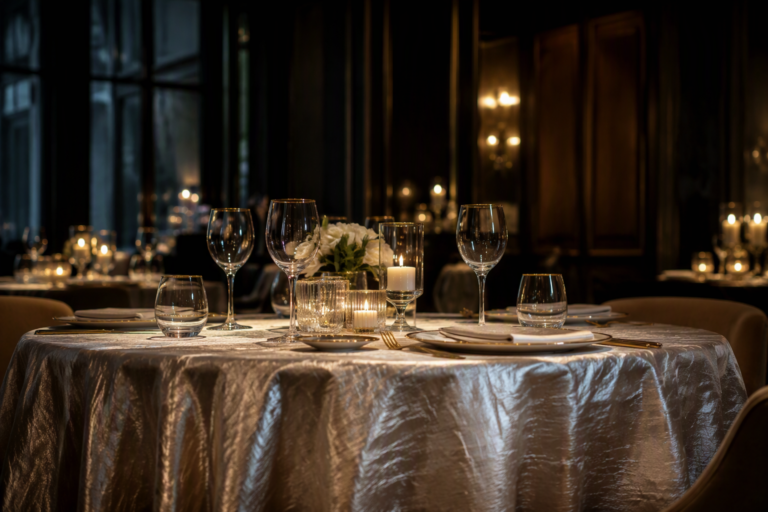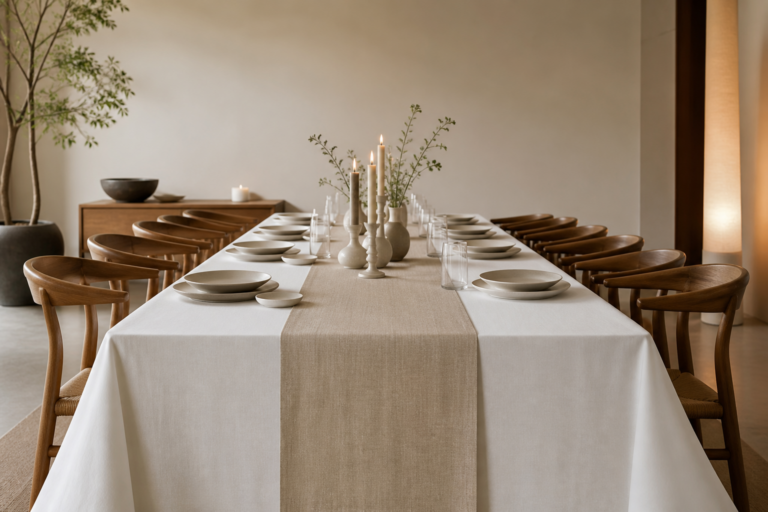
The lace tablecloth is the cloth the table reads as the openwork. It is not the pattern of the print, not the thread of the embroidery and not the sheen of the satin — it is the open space the pattern is run on, and the light that goes through it. Set it on the table and the eye reads the pattern first, and the room reads the formality second. That is the reason the wedding and the formal banquet are dressed in it — the lace is the cloth that carries the openwork, and the look is the figure the event is set on. But lace is not a cloth with a pattern, it is a construction with a figure: the openwork, the sheer, the hand and the care, and the four together are the piece the table is set on. Get those right, and the lace keeps the look, the softness and the life for the length of the program, the way the openwork is run in the room.
1. Why the Lace Is the Cloth That Reads as the Openwork
- The lace is the cloth the open space is run on. The print is the cloth the pattern is run on the surface, and the lace is the cloth the pattern is run on the open space. The openwork is the figure the lace is read by, the way the pattern is matched to the table it is dressed for.
- The lace is the cloth the light is run through. The light that passes through the openwork is the figure the room is set on, and the lace that carries the light is the cloth the formality is read by, the way the sheer is matched to the event it is dressed for.
- The lace is the cloth the eye is kept on. The pattern that is woven, not printed, is the figure the attention is kept on, and the lace is the cloth the eye moves with, the way the openwork is read in the room.
- The lace is the read the program is set on. The wedding and the formal banquet are the programs the lace is run on, and the openwork and the light are the figures the event is read by, the way the cloth is matched to the program it is dressed for.
2. What the Lace Is: The Openwork, Not the Pattern
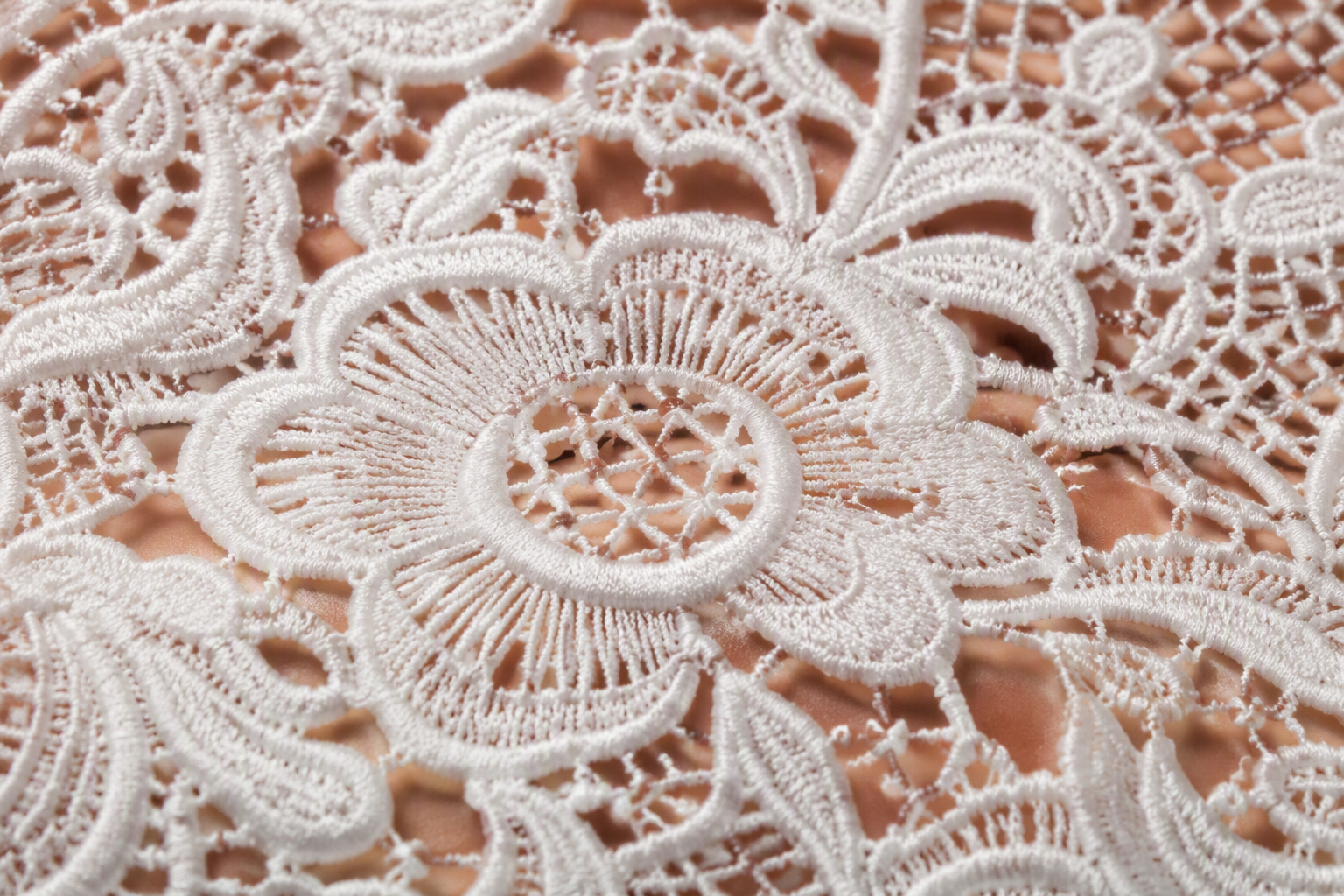
- The lace is the openwork, not the print on the ground. The printed cloth carries the pattern on the surface, and the lace carries the pattern in the open space. The openwork is the figure the lace is set by, the way the pattern is matched to the cloth it is run on.
- The guipure is the openwork the pattern is run on alone. The guipure is the lace the pattern stands on its own, without the ground behind it, and the openwork is the figure the hand is set by, the way the construction is matched to the look it is run on.
- The insert is the openwork the ground is run behind. The insert lace is the openwork that is run on the ground cloth, and the sheer is the figure the light is set by, the way the construction is matched to the program it is dressed for.
- The openwork is the first line of the specification. The guipure, the insert and the border are the three the openwork is run on, and the one that is stated is the one the cloth is approved on, the way the construction is matched to the order in the program.
3. The Lace and the Embroidery
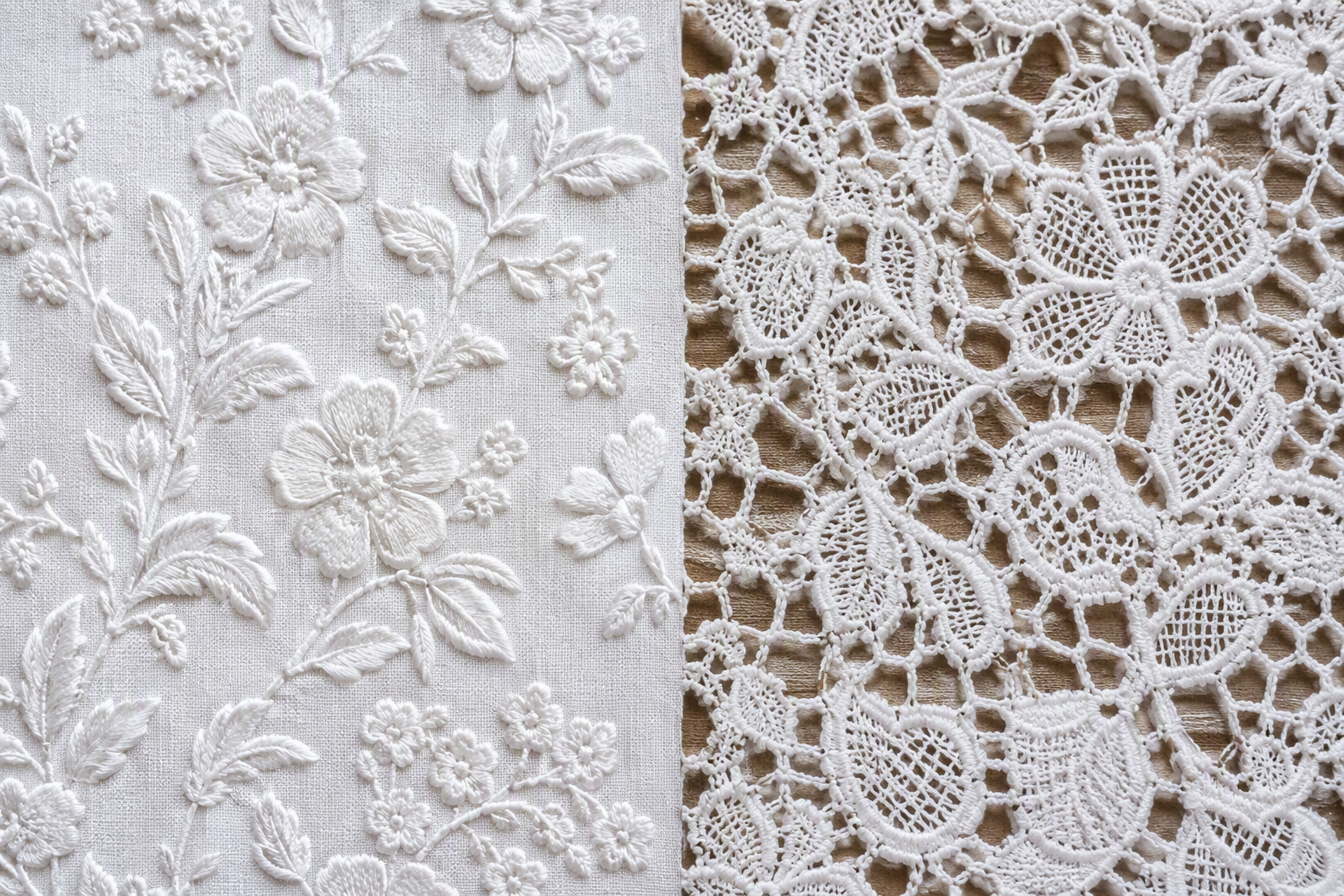
- The embroidery is the thread on the ground, the lace is the openwork itself. The embroidery carries the thread on the cloth, the way we cover it in our embroidered tablecloth guide, and the lace carries the pattern in the open space. The ground is the figure the embroidery is run on, and the openwork is the figure the lace is run on.
- The embroidery is read on the surface, the lace is read through the space. The embroidery is the read the eye is kept on the surface, and the lace is the read the light is kept through the openwork. The two are read differently, and the one that is stated is the one the table is dressed with.
- The embroidery is the hand that stays on the cloth, the lace is the hand that goes soft. The embroidery is the read the ground is kept on, and the lace is the read the openwork is set by. The hand is the figure the cloth is approved on, the way the construction is matched to the program.
- The two are read to the program. The embroidery is the cloth the statement table is run on, and the lace is the cloth the formal table is run on. The one that is stated on the order is the one the table is dressed with, the way the cloth is matched to the program.
4. The Constructions: Border, Insert and Full Lace
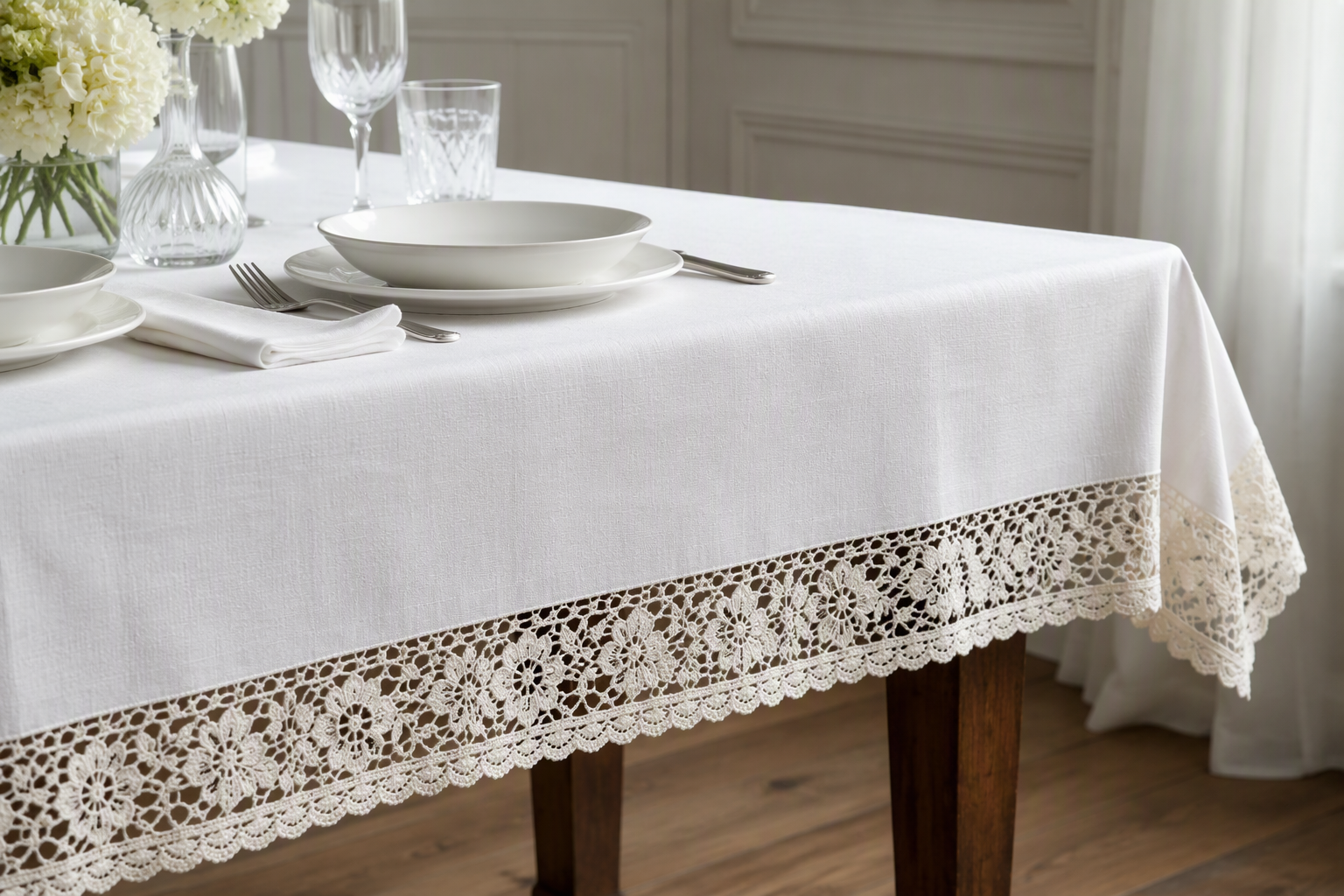
- The border lace is the construction the edge is run on. The border is the lace band that is run on the edge of the cloth, and the border is the figure the table is set by, the way the openwork is matched to the program it is dressed for.
- The insert lace is the construction the panel is run on. The insert is the lace panel that is run on the cloth in the field, and the sheer is the figure the light is set by, the way the construction is matched to the look it is run on.
- The full lace is the construction the table is run on. The full lace is the cloth that is run on the openwork alone, and the hand is the figure the table is read by, the way the construction is matched to the formality it is dressed for.
- The construction is stated, and the sample is read to it. The construction that is stated on the order is the one the cloth is approved on, and the sample is the piece that carries the read, the way the construction is matched to the program.
5. The Sheer and the Layering
- The lace is the cloth the light is run through. The sheer is the figure the lace is read by, and the light that passes through the openwork is the figure the room is set on, the way the sheer is matched to the event it is dressed for.
- The under-layer is the read the lace is run over. The lace over the under-layer is the setting the formal table is run on, and the under-layer is the figure the sheer is softened by, the way the layering is matched to the program it is dressed for.
- The layering is the figure the colour is deepened by. The lace over the matching ground is the read the colour is deepened on, and the depth is the figure the event is set by, the way the layering is matched to the program it is run on.
- The sheer is stated, and the sample is read to it. The sheer that is sold is the one the table is dressed with, and the sample is the piece that carries the read, the way the layering is approved in the program.
6. Colourways
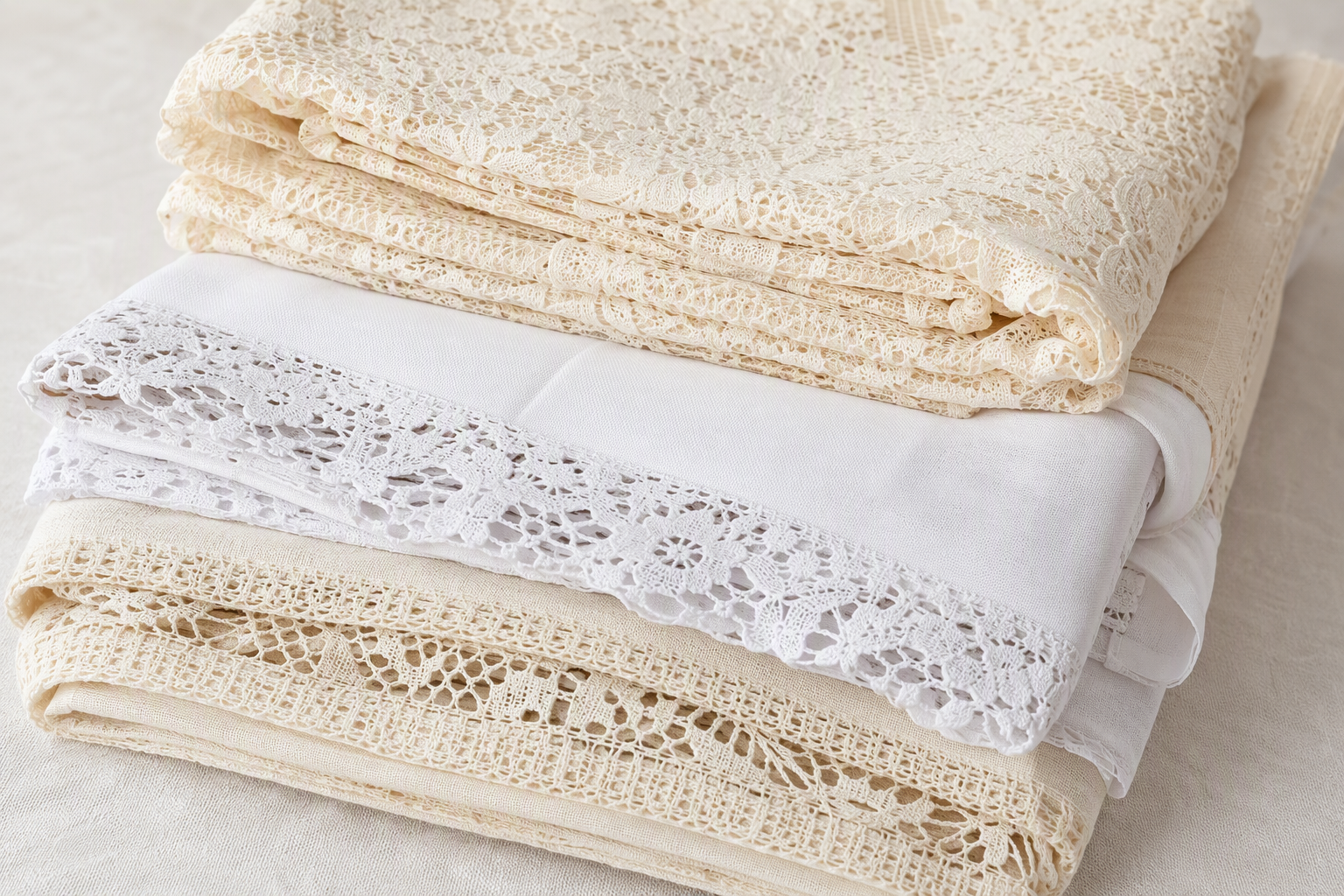
- The ivory and the white are the colours the lace is run on. The neutral is the colour the lace is read on, and the ivory and the white are the ones the wedding and the formal table are dressed in, the way the colour is matched to the program it is run on.
- The cream and the soft colours are the colours the season is run on. The soft colour is the one the season is dressed in, and the colour that is stated is the one the event is set on, the way the colour is matched to the program.
- The lace holds the colour the way the fibre is run. The lace takes the colour evenly through the openwork, and the colour that is run on the program is the one that stays, the way the colour is kept in the wash.
- The lot is matched the way the lot is matched on the cloth. The lace runs by lot, and the lot that is not matched is the program that shows the line across the tables, and the sample is cut from the lot that will be run, the way the lot is run in the program.
7. The Hand and the Weight
- The lace is the hand that goes soft. The openwork is the figure the hand is set by, and the lace that goes soft is the cloth the table is read by, the way the hand is matched to the formality it is dressed for.
- The gsm is the figure the body is set by. The weight of the lace is the figure the body is read on, and the gsm that is stated is the one the cloth is approved on, the way the weight is matched to the construction it is run on.
- The finer the openwork, the softer the hand. The fine lace is the cloth the softness is run on, and the fuller openwork is the cloth the body is run on, the way the weight is matched to the program it is dressed for.
- The hand is stated, and the sample is read to it. The softness that is sold is the one the table is dressed with, and the sample is the piece that carries the read, the way the hand is approved in the program.
8. Washing and Care
- The lace is washed the way the openwork is kept. The lace is the cloth that is washed cool and gentle, and the wash is the figure the openwork is kept by, the way the care is matched to the cloth it is run on.
- The wash is run cool, and the colour is kept. The cool wash is the figure the colour is kept by, and the lace that is washed cool is the cloth that holds the colour through the program, the way the care is run in the wash.
- The wring is not the step the lace is run on. The lace is the cloth that is not wrung, and the gentle squeeze is the step the openwork is kept by, the way the care is matched to the construction it is run on.
- The lace is the cloth that is kept by the gentle hand. The lace is the cloth that is washed, dried and handled the way the openwork is kept, and the care that is stated is the one the life is set by, the way the care is run in the program.
9. Where the Lace Works Best
- The wedding that wants the table to read as the formality. The lace is the cloth the wedding is run on, and the openwork and the light are the figures the event is set on, the way the construction is matched to the program it is dressed for.
- The formal banquet that wants the cloth the program is run on. The lace is the cloth the banquet is run on, and the hand is the figure the table is read by, the way the construction is matched to the program it is run on.
- The home program that wants the table to read as the occasion. The lace is the cloth the home is run on, and the openwork is the figure the table is set on, the way the construction is matched to the occasion it is run on.
- The event that wants the colour deepened by the sheer. The lace is the cloth the event is run on, and the sheer is the figure the colour is deepened by, the way the layering is matched to the program it is dressed for.
10. B2B Specifications for Lace Tablecloths
- State the construction first, in writing. The border, the insert and the full lace are the three the openwork is run on, and the construction that is stated is the one the cloth is approved on, the way the specification is matched to the order.
- Set the gsm to the hand, and the size to the drop. The weight is the figure the body is set by, and the size is the figure the drop is set by, and the two are the lines the cloth is approved on, the way the specification is matched to the order. The drop is run the way we cover it in our tablecloth size guide.
- Specify the colour to the program, and match it to the lot. The colour is the figure the program is set on, and the lot is the one the colour is matched to, and the two are the lines the cloth is approved on, the way the specification is matched to the program.
- Approve the sample washed, and read the hand on the table. The lace that has not been washed has not been specified, and the hand is read on the table in the light of the room, and the finished sample is the piece that carries the decision, the way the sample is approved in the program.
11. Lace FAQs
How is the lace different from the embroidery?
The embroidery carries the thread on the ground, and the lace carries the pattern in the open space. The embroidery is read on the surface, and the lace is read through the space. The one that is stated on the order is the one the table is dressed with, the way the cloth is matched to the program.
Will the lace show through on the table?
The lace is the cloth the light is run through, and the sheer is the figure the read is set by. On its own the lace carries the light the way the event is set, and over the under-layer the sheer is softened the way the layering is run. The sheer that is stated on the order is the one the table is dressed with, and the sample is read to it in the light of the room.
How is the lace washed in the commercial program?
The lace is the cloth that is washed cool and gentle, and the openwork is the figure the care is kept by. The wash is run cool, the wring is not the step it is run on, and the hand is kept by the gentle squeeze. The care that is stated is the one the life is set by, the way the care is run in the program.
Which construction is the one for the program?
The border is the construction the edge is run on, the insert is the construction the panel is run on, and the full lace is the construction the table is run on. The one that is stated on the order is the one the cloth is approved on, and the sample is read to it on the table in the light of the room.
Final Thoughts
A lace tablecloth is not a cloth with a pattern, it is a construction with a figure — the openwork, the sheer, the hand and the care, and the care that keeps the look through the program. Get the construction to the openwork, the weight to the hand, the colour to the program and the care to the gentle wash, and the lace keeps the look, the softness and the life for the length of the program it is set on. That is the difference between a cloth that is laid and a table that reads as the occasion.
We supply lace tablecloths to your specification — the construction and the gsm, the colourway and the size, with a sample washed before the full run. Contact us for lace tablecloth designs, samples, sizing, MOQs, and wholesale pricing.